
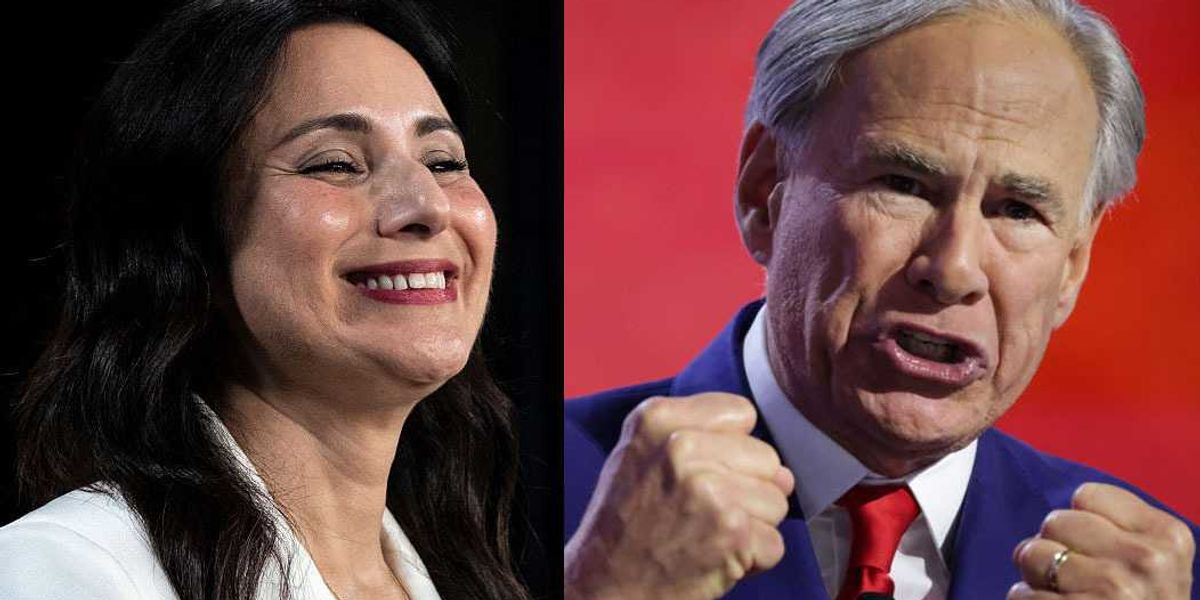
Texas Republicans are making a fresh push to tighten the reins on gubernatorial power before the next election shifts the landscape. The fight is centered on whether the governor should keep broad emergency authority or whether those powers should be pulled back now, while the current political balance still allows it. That debate is getting louder as Democrats prepare to take a stronger role in state politics.
At the center of the dispute is a simple but explosive idea: emergency powers can be useful in a crisis, but they can also become a shortcut around the normal lawmaking process. Supporters of reducing that authority argue that the governor should not be able to act like a one-person legislature just because the situation feels urgent. They see the issue as one of checks and balances, not party loyalty.
For Republicans, the concern is not abstract. Once power is handed over in a broad, flexible way, it rarely stays limited for long, and future officeholders tend to use every tool left on the table. That is why the pressure is on Gov. Greg Abbott to act before any new wave of Democratic influence can reshape the rules. The timing matters because political control can change fast, but emergency authorities can linger.
Democrats, meanwhile, are being watched closely as potential beneficiaries of the current setup. Their rise in Texas politics has made conservatives more wary of leaving powerful state tools intact, especially when those tools can be used to sidestep resistance from the legislature. The argument is not just about one governor, but about what kind of government Texas wants when the partisan winds shift.
That is what makes this debate so sharp. Emergency powers are often sold as practical and necessary, especially during disasters, public safety threats, or moments when speed matters more than process. But once those powers are broadened, the definition of “emergency” can expand too, and then normal accountability starts to blur at the edges.
Abbott’s allies see a chance to lock in a more restrained model before there is any serious temptation to use those powers in ways conservatives would regret later. The move would send a signal that Texas still values the legislature’s role and does not want executive authority stretching endlessly. In a state as politically charged as Texas, that kind of message carries real weight.
Critics of governor-centered power have long argued that emergency authority should be narrow, temporary, and tightly reviewed. Without those limits, a governor can steer policy through crisis declarations and executive action instead of through open debate. That may be efficient in the moment, but it can also leave voters feeling like the rules changed without their say.
The broader stakes go beyond one officeholder or one election cycle. Texas has become a national battleground, and every fight over power inside the state is also a fight over the future direction of the country’s second-most populous state. Republicans pushing this issue clearly understand that whoever controls the emergency toolbox can shape the next chapter of state government in a big way.
That is why the push is gaining traction now, not later. Once Democrats are better positioned, any effort to trim executive authority gets a lot harder, and the political incentives shift in a hurry. The window to act is narrow, and in politics, narrow windows tend to slam shut fast.
