
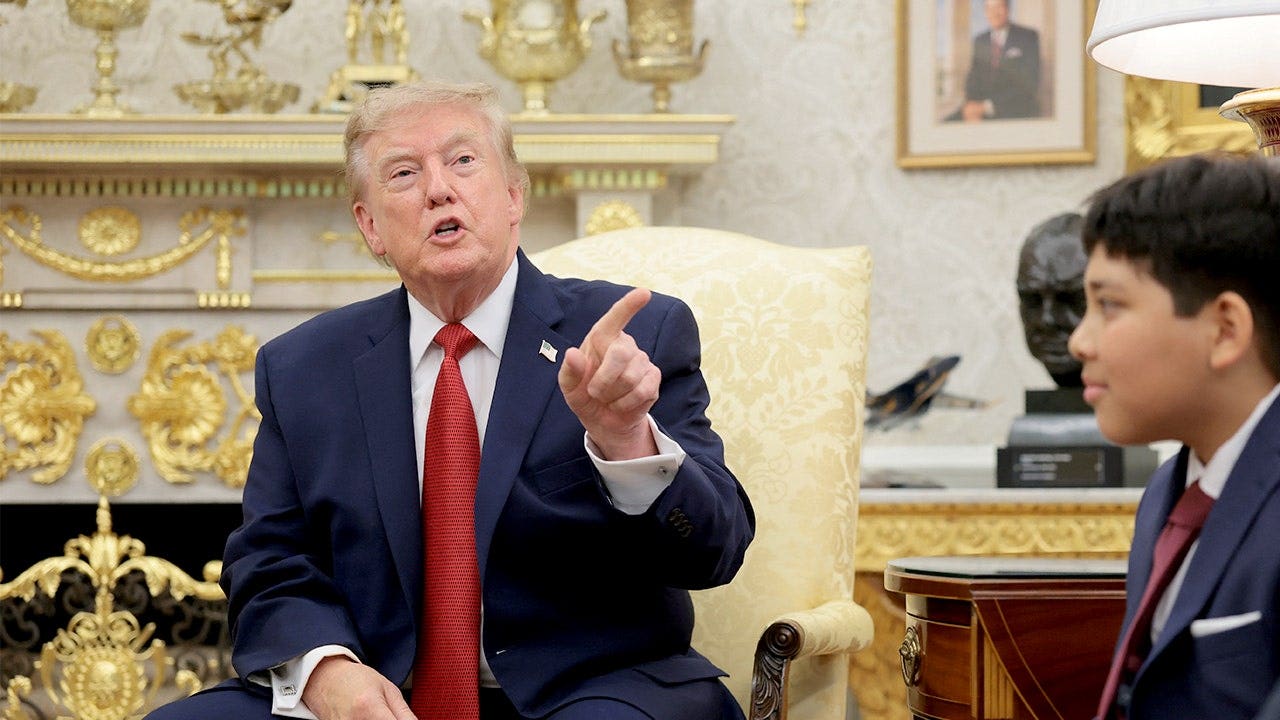
Trump has moved to lock down the look and feel of key White House spaces, using a proclamation to put the Oval Office, the Outer Oval Office, and the Cabinet Room under landmark-style protection. The move is aimed at keeping future administrations from ripping out, gutting, or dramatically changing rooms that carry deep historical weight.
From the Oval Office, Trump said the goal is to make sure the spaces stay intact. “It won’t be able to be taken down, destroyed, touched or anything else,” Trump told reporters from the Oval Office. “It’s actually called a national monument. It’s a federal landmark. When completed … it’ll make it impossible for anybody ever to destroy this incredible space. “
The proclamation lands as Trump keeps pushing a broader White House makeover agenda. That includes a string of public appearances tied to construction and renovation plans, all part of a sharper effort to leave a visible stamp on the building and its grounds.
Attention has been especially intense around the White House ballroom project, which has become a centerpiece of the administration’s design push. Trump has described it as a secure, formal venue built for major events, and he has been out front presenting it as more than just another renovation.
That ballroom effort has also drawn legal and political heat, keeping the project in the spotlight well beyond the construction site. Even so, the work has continued to serve as a symbol of Trump’s larger approach: big changes, big statements, and no interest in treating the executive mansion like a museum piece frozen in time.
The timing matters, too. The announcement came just two days after Democrats picked up enough seats in the midterm elections to take control of Congress, turning the proclamation into one more sharp post-election move from a White House that clearly wants to set the tone for what comes next.
Trump has also been using the weeks around the election to show off other changes in and around the White House complex. He laid out planned updates during remarks near the Reflecting Pool on Monday, then gave a press briefing on Wednesday at the construction site for the new ballroom.
Those appearances fit a pattern that has defined his return to office in 2025. Trump has leaned hard into bold architecture, cultural overhaul, and projects meant to project strength, permanence, and style rather than quiet preservation.
That list has already included a proposed 250-foot triumphal arch near Arlington National Cemetery and a push to rename and reshape the John F. Kennedy Center for the Performing Arts. Each effort points in the same direction, with Trump treating major public spaces as places to be reimagined instead of left alone.
The Oval Office proclamation fits that same mindset, only in reverse. Instead of building something new, it places a hard boundary around spaces that many presidents have treated as their own canvases, and it signals that some parts of the White House should stay recognizable no matter who sits behind the Resolute Desk.
For Trump, the message is simple and blunt: history matters, but so does control over how it is preserved. And as the renovation battle around the White House continues, the fight over these rooms is becoming part of the larger story of how this presidency intends to shape the place itself.
