
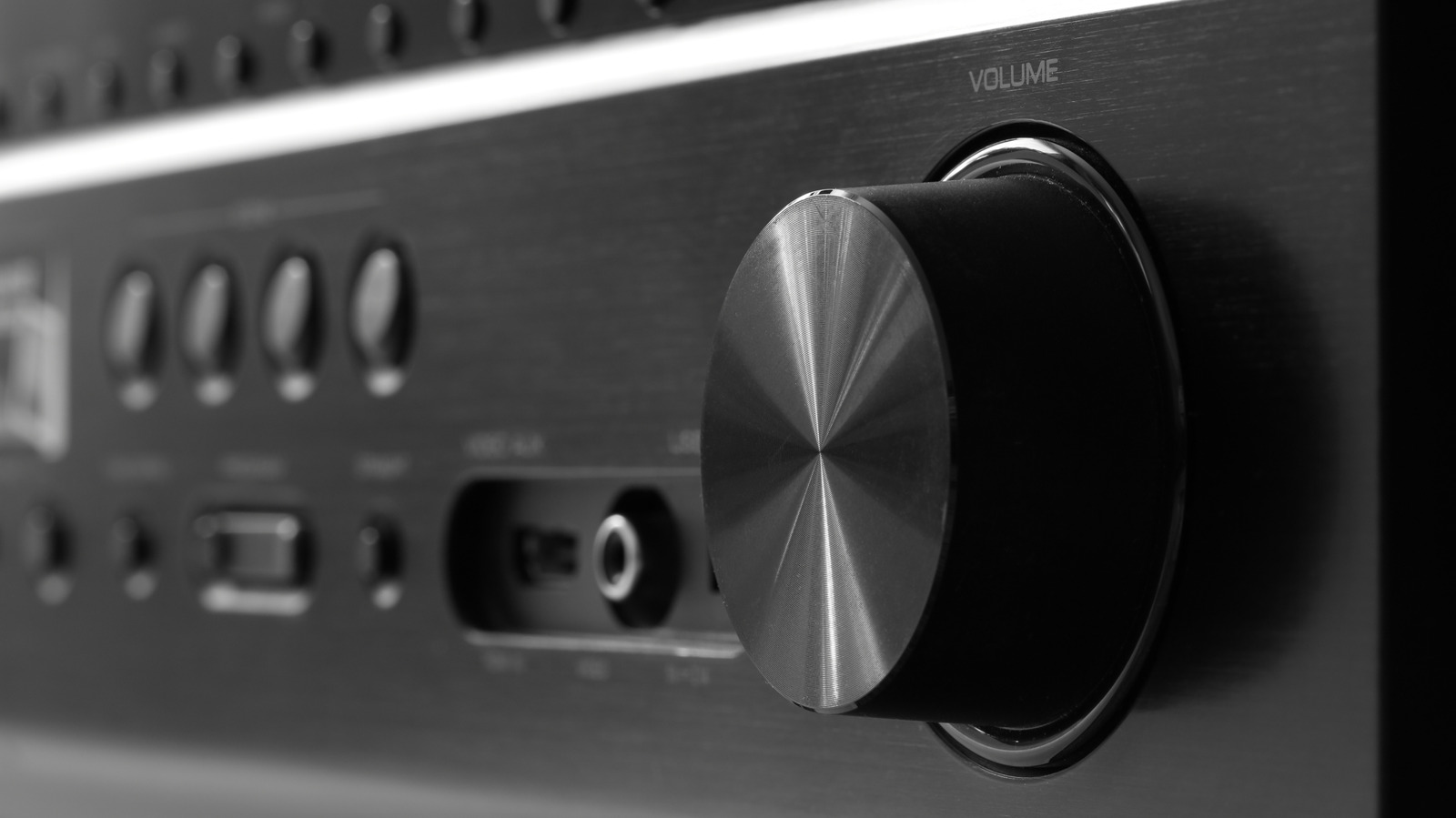
Getting cleaner, richer sound from an AV receiver is less about luck and more about a few smart adjustments. Calibration, power-saving settings, speaker placement, and cable choices can all shape how the system performs, often in ways that are easier to hear than to see. A little attention to these details can turn an ordinary setup into something that feels far more alive.
The first move is to let the receiver do some of the heavy lifting, then check its work. Auto-calibration tools are built to read the room and set speaker levels, but they are not perfect, so the results should be looked over instead of trusted blindly. If any speaker ends up way off balance, especially around +10dB or -10dB, that usually means the setup needs another pass.
Eco mode is another setting worth reviewing right away. It can cut power use, but it also tends to trim the energy out of the sound, which means lower output and less punch when the system is pushed. For anyone chasing the best possible audio, turning it off usually makes the receiver feel more open and capable.
Dynamic Range Compression, or DRC, deserves the same kind of attention. It can help keep loud scenes under control in action-heavy movies, but it can also flatten the shifts that make music feel spacious and detailed. When the goal is full, natural sound, leaving that feature off is often the better call.
Timing matters more than many people expect. Powering on the receiver about half an hour before use gives the components time to warm up, which can lead to a smoother and more settled sound. That small wait can pay off in a way that feels surprisingly noticeable once the system is actually playing.
The display can even get in the way a little. Shutting it off may not transform the whole experience, but it can shave off just enough noise and distraction to help the audio breathe. In a system built for detail, even tiny gains can add up.
Speaker placement is where the room starts to matter just as much as the gear. Left and right speakers should be positioned with some height and enough space between them to create a proper soundstage, rather than crowding everything into one corner. A few test tracks and a bit of moving things around can reveal a spot where the sound opens up and feels more balanced.
Cables do not get much glory, but they can still affect the result. Cheap, poorly managed wiring can introduce problems that muddy the signal or make the whole setup less reliable, even when the receiver itself is solid. Better RCA or HDMI cables, along with cleaner routing, can help keep the audio path as tidy as the rest of the system.
It also helps to think of the receiver as part of a larger chain, not a magic box. Every setting, every speaker angle, and every cable run contributes to the final sound, and the best systems are usually the ones that avoid fighting themselves. Once the basics are dialed in, the receiver can finally do what it was built to do: deliver sound that feels focused, full, and worth sitting down for.
