
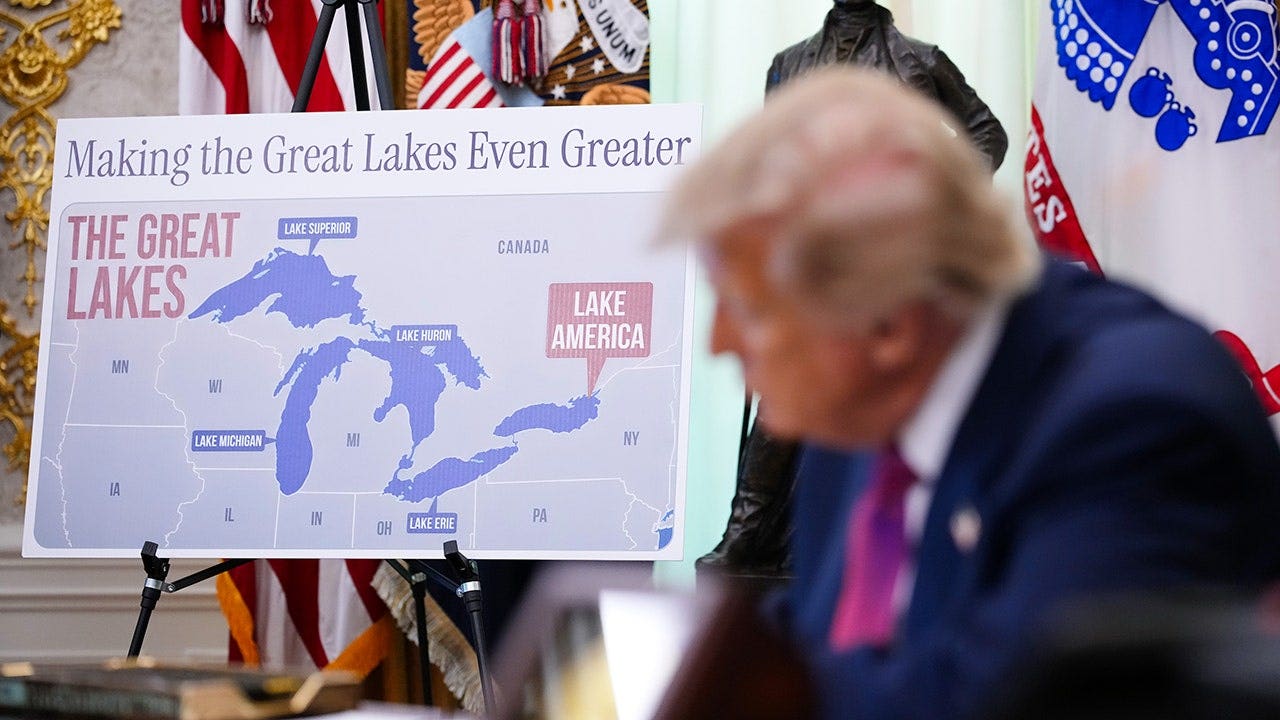
Pennsylvania Rep. David Maloney has jumped into the naming fight with a cheeky push of his own, urging Donald Trump to back a move that would turn Lake Erie into “Lake Pennsylvania.” The idea lands right after Trump’s recent wave of geographic rebranding, including the push to label Lake Ontario as “Lake America,” and it keeps the spotlight on how much symbolic power a name can carry.
Maloney is preparing a resolution that would ask Trump, Interior Secretary Doug Burgum, and members of Congress to support the change. His pitch is simple and a little provocative: Pennsylvania has a real stake in the lake, and the name should reflect that connection instead of sounding like a borrowed landmark on a map.
He framed the argument around the people who live, work, and play along the shoreline. “This is Pennsylvania’s only Great Lake. Its modern economy and identity are increasingly tied to the boaters, anglers, families and tourists who come to enjoy it,” Maloney said in a statement. “Ohio has plenty of shoreline. New York already has two Great Lakes. Canada has four others.”
Then came the one-line closer that made the message impossible to miss: “Pennsylvania has one. Let’s call it Lake Pennsylvania!” That kind of line is built for headlines, and it fits neatly into the broader political theater around place names, state pride, and presidential branding.
Lake Erie is the smallest Great Lake by volume and the shallowest, according to the Environmental Protection Agency. It also supports a massive regional population, with about 12 million people living in its watershed, including 10.5 million in the U.S. and 1.9 million in Canada. That means the lake is more than a scenic backdrop. It is a working, shared waterway with real economic and environmental weight.
The proposal arrives after Trump signed an executive order last month renaming Lake Ontario to “Lake America,” a move Canada has flatly rejected. Canadian Prime Minister Mark Carney responded with a blunt message of his own, saying, “We know that America is changing. Their trading relationships, their foreign policies, their national monuments, their hydronyms. Canadians also know that naming reality means calling it Lake Ontario — then, now and always,”
The clash has also spilled into the tech world, where map services have adjusted to Trump’s orders for users in the United States. Apple Maps and Google Maps changed Lake Ontario to “Lake America” for U.S. users, while Canada and international bodies have not been required to adopt the new label.
That same split has followed Trump’s earlier push to rename the Gulf of Mexico the “Gulf of America.” On his first day back in office in January 2025, he signed an executive order making the change for the federal government, but not for Mexico, private companies, or international organizations. It became another example of how a presidential decree can reshape federal usage without fully rewriting what the rest of the world is willing to call something.
The naming battle has not stopped at the water’s edge, either. Trump has also floated renaming New Mexico to “New America,” prompting Democratic lawmakers there to pressure Apple and Google to keep the state’s existing name on their maps. He has even suggested renaming the Pacific and Atlantic Oceans, which keeps the whole thing hovering between policy and pure political performance.
Maloney’s move fits that same vibe, but with a Pennsylvania spin. It leans into state identity while poking at the broader trend of national rebranding, and it does so with just enough humor to travel fast. In a political season where every symbolic fight gets magnified, even a Great Lake can become the next place where someone tries to redraw the map.
