
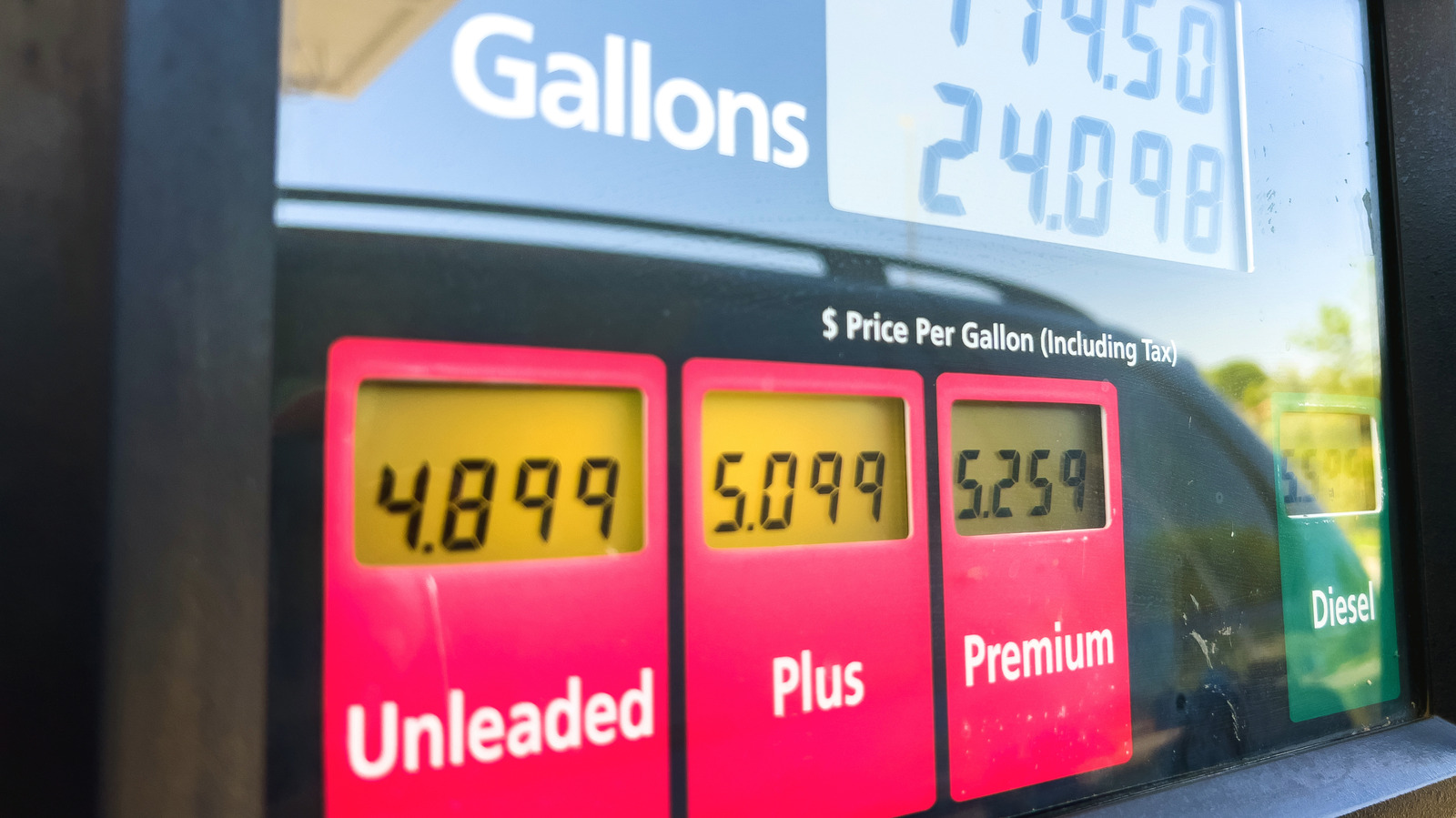
Gas prices can sometimes jump from one day to the next, and it usually feels sudden at the pump. This article explains the real drivers behind overnight spikes, from market trading and refinery hiccups to local pricing tactics and logistics, so you know why a quick increase is often more than just a mystery.
Wholesale gasoline and crude oil trade around the clock in global markets, and prices react instantly to new information. A headline about a supply disruption, a change in production guidance, or a surprise inventory report can move futures contracts overnight, and retail stations often follow those moves within hours. Traders and algorithms set new baselines while consumers sleep, and those adjusted baselines filter down to pump prices.
Refinery operations are another big reason prices can climb fast. Refineries run on tight schedules and planned maintenance, but unplanned outages happen—weather, equipment failure, or safety shutdowns can remove millions of gallons of supply in short order. When a nearby refinery slows or stops, the regional supply balance tightens quickly and stations have to price for a smaller pool of available fuel.
Pipelines and shipping matter too, and they can create abrupt local shortages even if national inventories look fine. A blocked pipeline, port delay, or tanker reroute forces suppliers to use longer, costlier routes or substitute products shipped in from farther away. Those extra costs come in fast and often get passed directly to consumers at the pump, especially in regions that are already running lean on supply.
Retail pricing systems are often automated and responsive to competition, which means prices can change several times a day. Stations use software that adjusts prices based on nearby competitors, wholesale costs, and target margins, and those tools can push a rapid increase if a supplier raises its price. Smaller chains and independent stations may react faster to cover rising wholesale bills, creating visible jumps at the local level.
Seasonal shifts and regulatory rules also play a role in quick price moves. States and regions switch to summer-blend gasoline at set times, and that blend costs more to produce and move, so the swap can create an abrupt rise in pump costs. Taxes, environmental regulations, and regional credits add layers of complexity that can magnify even modest supply changes into noticeable price spikes for drivers.
Short-term market psychology amplifies the effect: traders and suppliers often price in potential risks before they’re fully realized, and that insurance premium shows up as higher pump prices. Speculation and risk hedging in futures markets influence wholesale costs, and when suppliers lock in higher costs for future deliveries, retail outlets adjust immediately to protect margins. That proactive pricing can make a small concern look like a big problem overnight.
What drivers can practically do about it is limited, but knowing the mechanics helps. Shopping around, using apps that track local prices, and filling up when markets or weather suggest prices are stable can shave costs. Understanding that spikes often reflect real, solvable supply or market issues rather than random behavior by stations makes the changes less mystifying when they happen.
