
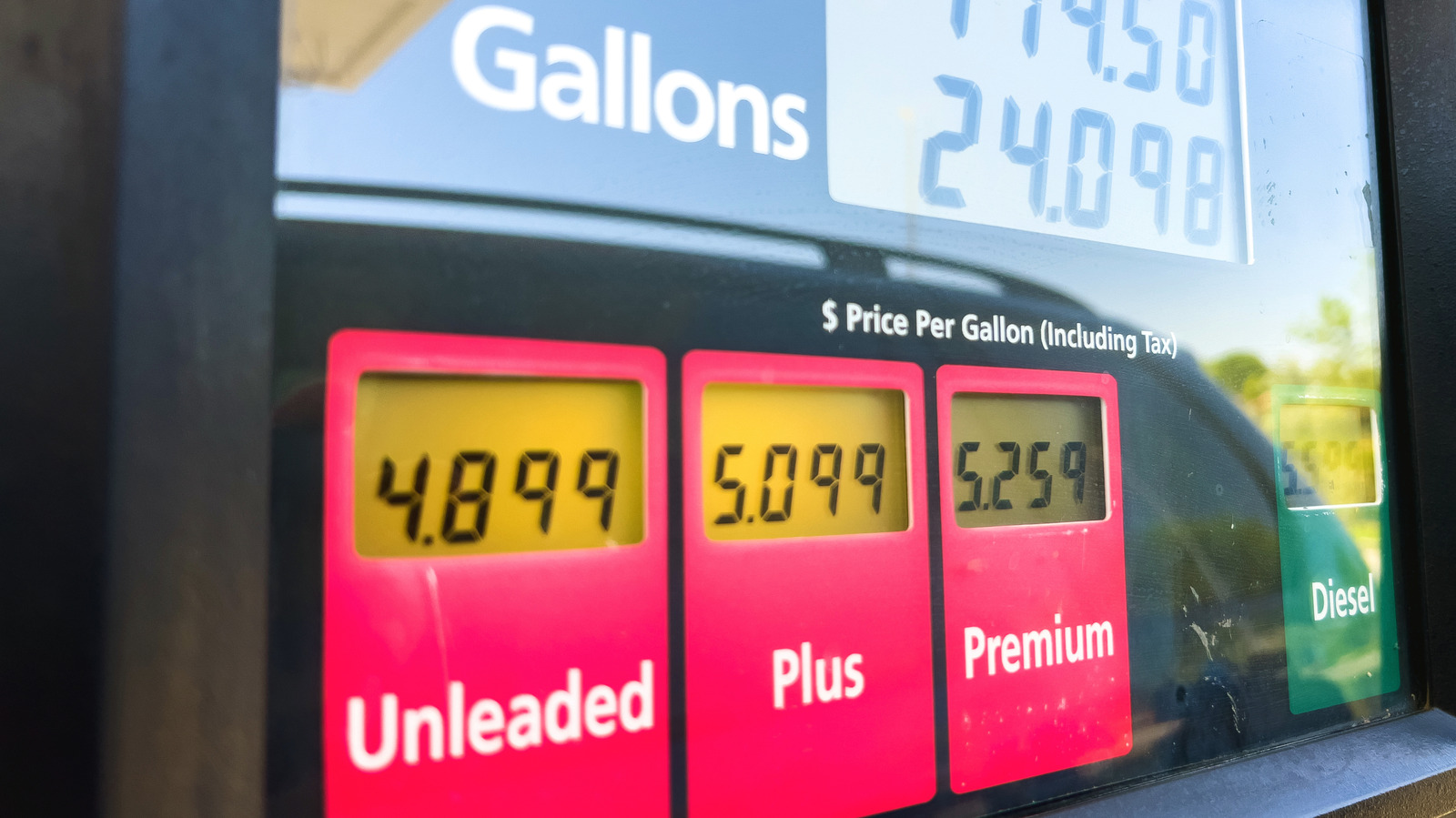
Gas prices are squeezing wallets everywhere, nudging drivers to rethink trips and airlines to juggle costs, and this article walks through the mix of forces that shape pump prices, why relief is unpredictable, and what could realistically move the needle in the months ahead.
At the heart of the matter is crude oil. Global supply and demand determine much of the baseline price, and when producers tighten output or inventories shrink, wholesale costs climb fast. Market sentiment and trading on futures markets amplify those moves, so headlines about geopolitical tensions or production cuts can translate into higher prices at the pump almost overnight.
Refining and distribution add another layer. Crude has to be processed, and refineries operate at varying capacities based on maintenance schedules and unexpected outages. Regional bottlenecks and transportation constraints mean one area can see steep price jumps even if the global market is relatively calm, because the local system simply can’t get refined product to stations fast enough.
Demand swings are predictable but still influential. Summer travel and holiday weekends boost gasoline consumption, while colder months change diesel and heating oil needs. Airlines face the same basic math with jet fuel: higher crude lifts jet fuel costs, and those expenses ripple into ticket pricing and route decisions, though airlines often try to smooth the pain by hedging fuel purchases ahead of time.
Hedging helps airlines avoid some shock but doesn’t erase the impact. When carriers lock in prices, they protect margins during spikes, but they also miss out if prices fall later. That lag between fuel-cost moves and ticket prices means consumers can see airlines announcing higher fares or surcharges after fuel runs up, and any savings from later drops typically take longer to show up in tickets and consumer bills.
Inventories and strategic reserves play a quiet but crucial role. U.S. crude and product stockpiles function like a buffer, absorbing short-term shocks and keeping daily price swings from becoming sustained surges. Releases from strategic reserves or temporary boosts in refinery throughput can bring relief, but those measures are often limited and short-lived, so they aren’t a long-term fix when structural issues exist.
Taxes, fees, and local regulations are the parts of the price tag consumers notice most. State and federal taxes, environmental requirements, and carbon pricing — where applied — all add cents per gallon that don’t vanish with lower crude. At the same time, the accelerating shift toward electric vehicles and improved fuel efficiency shifts long-term demand, but that transition takes years and won’t blunt short-term price spikes for drivers who still rely on gasoline.
So what could actually lower prices? A few realistic scenarios: increased crude output from major producers, smoother refinery operations, and a cooling of demand driven by higher prices or economic slowdowns. Diplomatic progress that reduces risks to oil flows or coordinated releases from reserves can ease pressure temporarily, while broader investments in refining capacity and transportation infrastructure would help over the longer haul.
For everyday drivers and small businesses, the path forward is practical: shop around at different stations, use fuel-tracking apps, combine trips, and keep vehicles tuned for better mileage. Businesses that rely on fuel can look at contract hedging or route optimization to blunt swings, and travelers can watch fare trends and loyalty programs to find better deals. Those steps won’t fix market dynamics, but they help households and companies manage the bite while supply-and-demand forces sort themselves out.
