
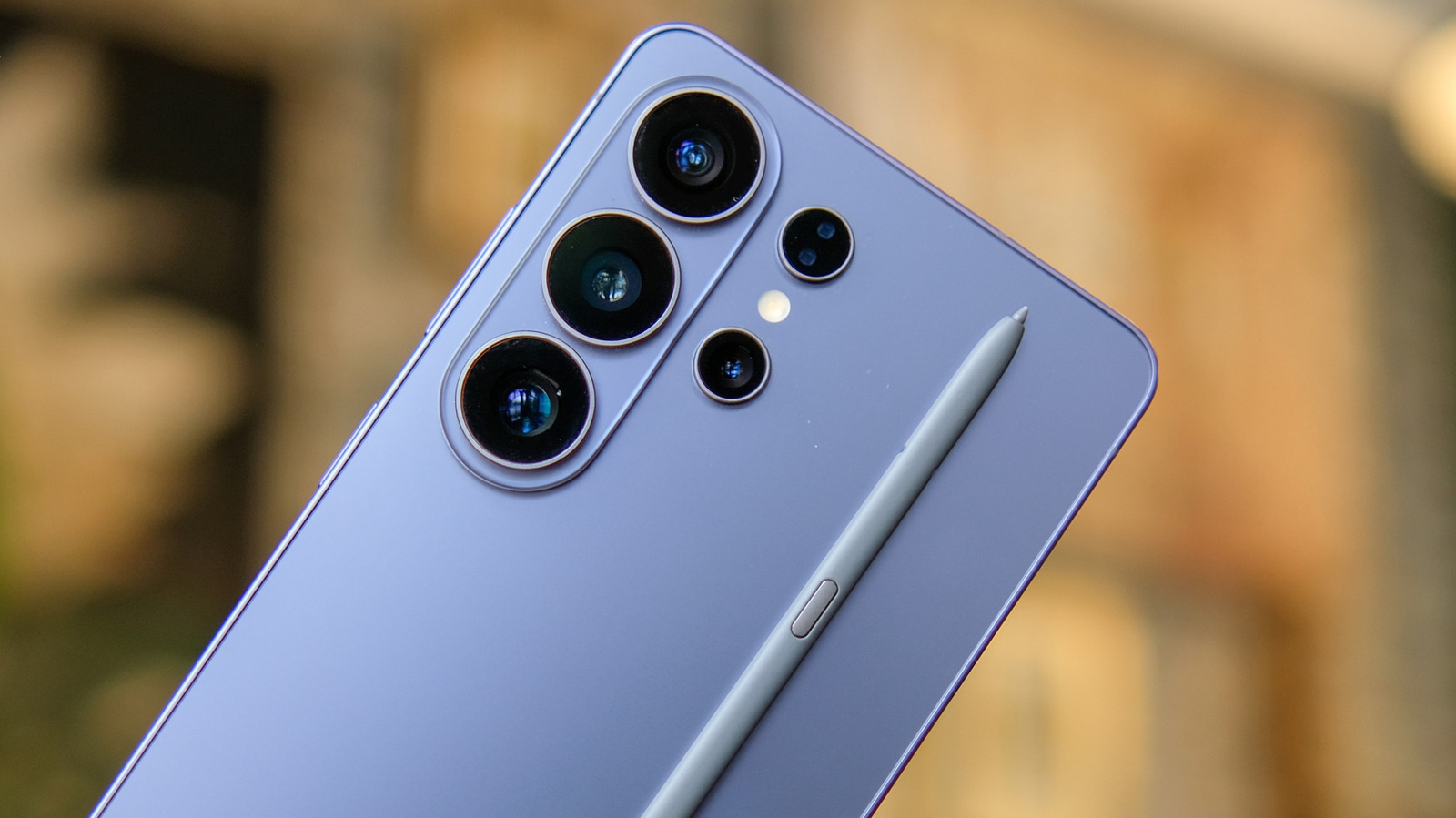
The Galaxy S26 Ultra’s battery life is under the microscope, and this piece explores why endurance matters, how competitors are pressing the advantage with larger cells and efficient chips, what trade-offs Samsung faces, and practical steps users can take to stretch runtime without sacrificing the core experience.
Flagship phones have become a balancing act between slim design, blazing performance, and all-day battery life, and the Galaxy S26 Ultra is no exception. Buyers expect top-tier cameras, bright displays, and fast charging, but those features can drain power fast. When rivals ship with bigger batteries and power-efficient hardware, Samsung has to lean on software and component-level tweaks to stay competitive.
Hardware choices play a huge role in real-world battery life. A larger battery cell gives a headline number that looks good on paper, but a more efficient system-on-chip and display tech often determine how long a phone lasts through a day of mixed use. Screens that can scale refresh rates and local dimming features for OLED panels can save significant energy during casual scrolls and static reading.
Software optimizations are the other half of the equation. Tight integration between Android updates and Samsung’s One UI can throttle background processes, prioritize essential tasks, and manage thermal conditions to protect battery health. Still, aggressive background management sometimes breaks app behavior, so finding the right balance between battery saving and reliable notifications is an ongoing challenge.
Thermal management matters more than people realize. When a phone gets hot from heavy camera use, gaming, or fast charging, the system often reduces performance to avoid overheating, which can paradoxically extend battery life at the cost of speed. Cooler running components perform more predictably, and manufacturers that optimize cooling and power delivery can eke out extra runtime without resorting to massive batteries.
Charging speed is a different kind of endurance story. Fast charging gets you out of a pinch, but it does not replace the benefit of a bigger cell that carries you through extended days. Users who rely on quick top-ups will appreciate rapid chargers, but those who need true all-day use without frequent charging will favor devices with both robust capacity and efficient hardware.
Real-world testing beats raw numbers every time. Benchmarks that loop video, render graphics, or simulate browsing deliver useful comparisons, but daily usage varies by person. Heavy social media users, frequent photographers, and mobile gamers will see different drain patterns than someone who mainly uses email and maps, so understanding typical usage is key to evaluating how the Galaxy S26 Ultra stacks up against its rivals.
There are simple ways users can improve battery life without sacrificing the core experience. Lowering maximum brightness and using adaptive brightness, limiting background app refresh for power-hungry apps, and opting for lower screen refresh rates when high refresh is unnecessary all add up. Turning on power-saving modes for travel days and keeping firmware updated for the latest optimizations also helps preserve runtime and battery health over months of use.
Design trade-offs are inevitable: thinner phones look great but often restrict battery size, and top camera systems need space and power. Samsung’s challenge is to marry ambitious features with sensible energy management so the Galaxy S26 Ultra feels reliable across a typical day. For shoppers, the right choice depends on whether they prioritize raw endurance, fastest charging, or the best balance of features and runtime.
Ultimately, battery life is a system-level story, not just a cell-size argument. The Galaxy S26 Ultra competes in a crowded field where efficient chips, clever display technology, and thoughtful software can close the gap with phones that advertise bigger batteries. Knowing how the device behaves under real conditions and tweaking settings to match your habits will deliver the kind of lasting performance most users want.
