
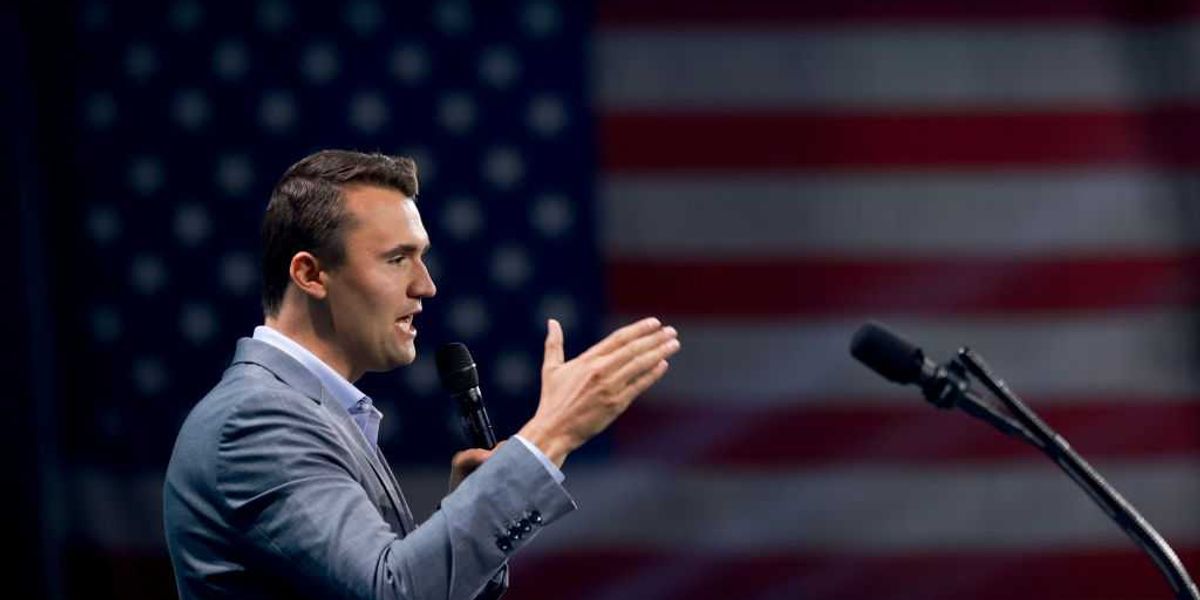
Charlie Kirk’s death has reignited a sharp fight over speech, censorship, and the growing pressure to keep uncomfortable opinions out of public view. The reaction has exposed a familiar split in American life: some people want open debate, while others seem eager to punish voices they dislike. That tension now sits at the center of a bigger question about whether free speech still means what it says.
For years, Kirk leaned into confrontation as a feature, not a bug. He pushed people to answer him, challenge him, and make their case in public instead of hiding behind labels or outrage. That approach annoyed plenty of people, but it also forced a simple test of confidence: if a belief is strong, it should survive scrutiny.
That is exactly why the censorship conversation keeps coming back with more heat. Too often, the response to speech is not debate but demands for removal, punishment, or silence. Once that becomes normal, the line between disagreement and suppression starts to disappear, and public life gets flatter, tighter, and far less honest.
The double standard is hard to miss. Voices that fit the approved script are praised as brave, while others are treated as dangerous for saying the same kinds of things in a different way. That kind of selective outrage does not protect truth, and it does not make the country safer either.
Free speech is not about defending only the easy or popular opinion. It is about allowing the full clash of ideas, including the ones that make people bristle. A nation that only tolerates one side of a conversation is not preserving civility, it is training people to be afraid of disagreement.
That is where the First Amendment still matters most. It was built for moments when speech is messy, offensive, unpopular, or politically inconvenient. When government, institutions, or powerful cultural gatekeepers start narrowing that space, the damage spreads fast because people begin to self-censor before anyone even has to step in.
Social media made all of this louder and meaner, but it also made the hypocrisy easier to see. Platforms and online mobs can amplify a message in seconds, then bury another one just as fast when the mood changes. The result is a public square that feels open on the surface but increasingly controlled by fear, outrage, and algorithmic pressure.
That is why the debate around speech is not just about one figure or one controversy. It is about whether Americans still believe truth can survive an argument. If the answer is yes, then more speech is the fix, not less, and the best way to beat bad ideas is to expose them in the light.
President Trump’s rise also reflected that larger clash over who gets heard and who gets shut out. Millions of voters were tired of polished elites deciding which views were acceptable and which ones had to be shamed into silence. They wanted plain talk, blunt conflict, and a political culture that does not panic every time someone says what others are thinking.
That desire is not going away, because it taps into something deeper than partisanship. People know when a system is rigged against certain views, and they notice when the same crowd that lectures everyone else about tolerance cannot tolerate a challenge. The more that contradiction gets exposed, the harder it becomes to pretend the issue is really about kindness or safety.
Kirk’s style was built around that exposure. He kept asking America to argue back, not because conflict is pleasant, but because silence is worse. In an age where so many people want speech sanitized before it is even heard, that challenge lands with a lot more force than the people trying to shut it down would like.
