
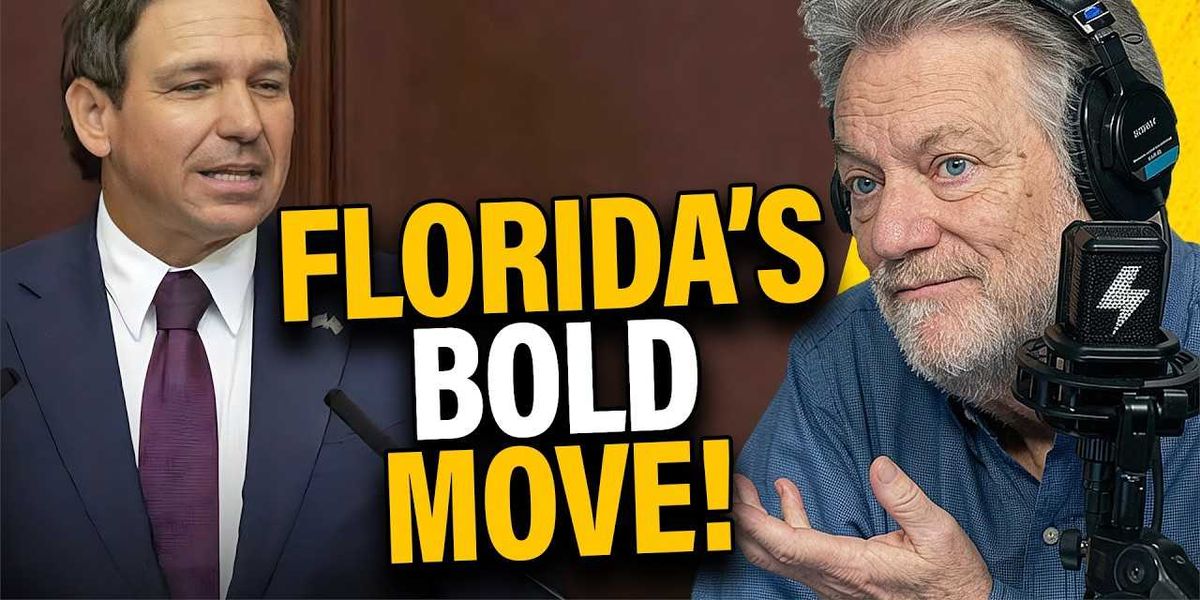
Florida voters are facing a ballot question that could wipe roughly 60% of homeowners off the property tax rolls, promising major tax relief and a stronger claim to private property. Supporters pitch it as restoring fairness and shrinking government reach, while critics warn of sudden budget gaps for local services like policing and infrastructure. Voices on conservative talk shows are already framing this as a clear win for taxpayers and property rights as Election Day approaches.
The pitch is simple and bold: give homeowners breathing room by shifting how property taxes apply, and let families keep more of what they earn. That kind of relief lands like a gut-punch to the usual municipal finance model, which has built decades of local plans around predictable tax revenues. When you change the math that local leaders rely on, you force a reckoning about priorities and what services actually matter to residents.
Opponents point to towns like Oviedo, which has long wanted a new police station and other local upgrades, and warn that those projects could stall if the tax base shrinks. “Of course, they’re pushing back on the other side of this. And talking about Oviedo, a bedroom community outside Orlando, has been trying to build a new police station for a decade, but now with this property tax situation, they may not even have a police department to put in the new station,” BlazeTV host Pat Gray explains on “Pat Gray Unleashed.”
“They might have to merge with the county,” he says. That scenario is meant to alarm voters who worry about service deterioration and potential consolidation of local control. It’s a valid concern, but it’s also exactly the kind of structural pressure that forces efficient solutions and better fiscal discipline at the local level.
Backers argue this measure does two things at once: it lowers the tax burden for a huge swath of homeowners and it reinforces the idea that property is a right, not a perpetual tax lever for expanding government programs. That language plays well with voters who see government growth year after year and want a concrete check on endless spending. For many, the amendment reads less like a policy tweak and more like a reset button.
The show’s conversation also turned political when hosts compared state leadership styles, pointing out how similar proposals travel differently in different states. “Why isn’t that happening in Texas?” he asks. “Because our governor is a follower,” executive producer Keith Malinak answers.
Malinak didn’t stop there: “If you look at everything, whether it’s COVID or anything, religious stuff, that you’ve seen DeSantis stand up for … Abbott goes, ‘Oh, the water seems fine. I guess now I’ll jump in,’” Malinak says. Those lines underscore a partisan take: Florida’s approach to property rights and tax limits is framed as more assertive, while other states are painted as slower to protect homeowners.
There are practical questions that voters will weigh beyond rhetoric. How will cities and counties adjust budgets? Will services be reallocated, trimmed, or combined to maintain core safety nets? Those are real decisions that will expose where inefficiencies exist and where leaders have been promising more than they can sustainably fund.
At the ballot box, the choice will be framed as a trade-off between immediate financial relief and potential changes in how local governments operate. Proponents say the market and private initiative will fill gaps, while critics warn about short-term disruptions for essential services. Either way, this contest is forcing a statewide debate on what ownership means and how much authority elected officials should have to tax it.
This amendment isn’t subtle. It’s meant to shift power back toward homeowners and clamp down on a tax system seen by many as automatic and unchecked. Voters will decide whether that shift is a necessary correction or an experiment with risky side effects for community services.
