
• Socialist candidate’s tax pitch faces tough scrutiny
• Billionaires, income taxes, and government spending take center stage
• Karl Marx language resurfaces in a modern campaign fight
• Florida district politics add pressure to the race
• Policy promises clash with demands for clear numbers
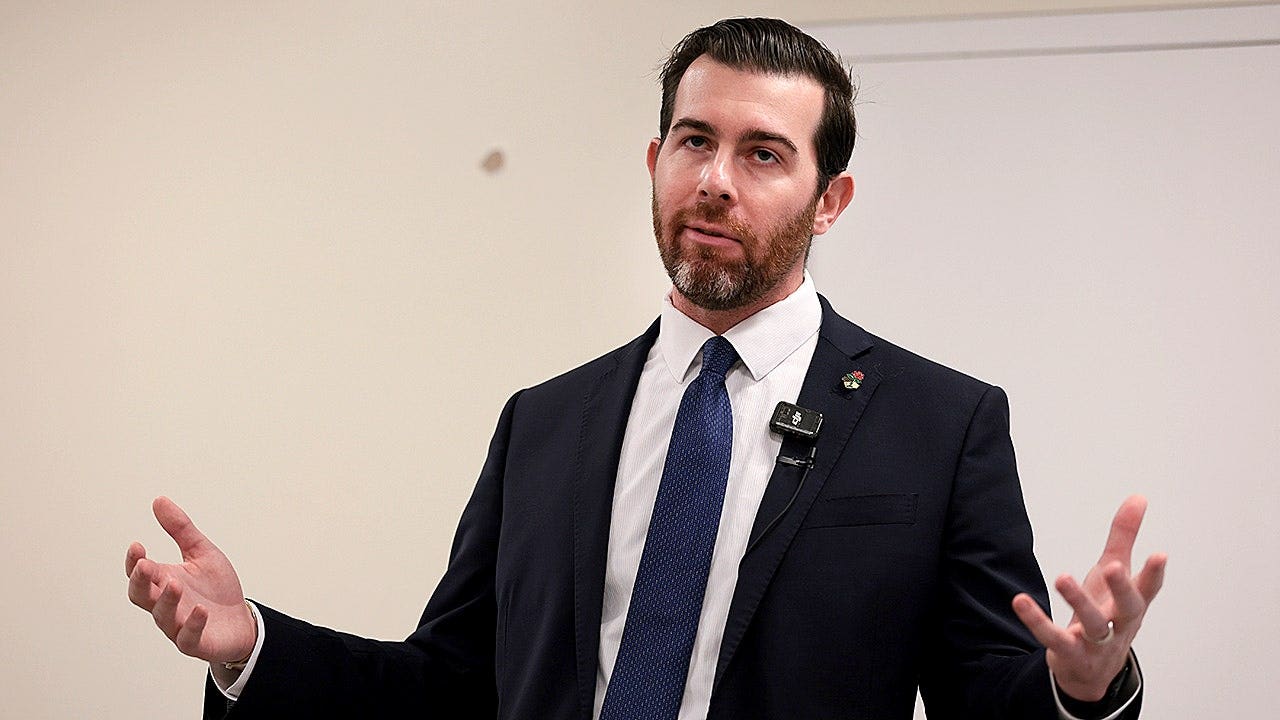
Florida congressional candidate Oliver Larkin leaned into a hard-left message on national television, but the moment turned rocky fast when he was pressed for actual tax numbers. He defended the idea that billionaires should be taxed “out of existence,” yet stopped short of saying where the line would be drawn for high earners, middle-class workers, or anyone in between.
The exchange put a spotlight on a bigger fight that keeps popping up in American politics: flashy slogans versus real-world math. Larkin, who has ties to past Obama and Sanders campaigns, tried to frame his agenda as practical and people-first, while the host kept pulling him back to the basics of who pays what and how much the government should take.
When asked about the old Marx-style formula of giving according to ability and receiving according to need, Larkin said it was “a fine concept.” That answer may sound tidy in a classroom, but on live TV it opened the door to a much rougher debate about taxes, incentives, and whether socialism can survive when someone asks for the bill.
The discussion quickly moved from philosophy to policy, and that is where things got slippery. Larkin praised big-name Democratic figures from the past, pointed to high tax rates in earlier eras, and argued that billionaires should not be able to keep so much of their wealth, but he still refused to put a number on any of it.
That refusal mattered because the entire argument hinged on specifics. If the plan is to raise taxes, someone has to explain how much, on whom, and for what purpose, especially when the candidate is talking about sweeping changes like Medicare-for-all, universal child care, and a more aggressive role for government across the board.
The conversation also touched a nerve with voters who hear a lot about fairness but not enough about trade-offs. Larkin said he was focused on what people in South Florida need, but the more he talked, the more the discussion centered on whether his version of fairness means higher taxes for everyone or just a punishing squeeze on the wealthy.
Another sharp edge came from the broader left-wing agenda tied to the race. The candidate was pressed on a long list of positions associated with the activist left, including opposition to fossil fuels, hostility toward ICE, and a desire to expand government power in areas that touch daily life, from education to health care to immigration.
That kind of platform can energize activists, but it also gives critics an easy target. In a district where Republicans see opportunity, every vague answer becomes political fuel, and every dodge on taxes sounds less like nuance and more like a clue that the numbers would be unpopular if they were ever spoken out loud.
The clash over billionaires was especially telling because it brought the debate down to a simple question: should success be punished, or rewarded? Larkin argued that figures like Elon Musk benefited from government support, while his opponent pushed back by saying the most creative Americans should not be hounded by punitive tax schemes just because they became wealthy.
That argument is not just about one candidate or one district. It cuts to the heart of a bigger fight inside the Democratic left, where activists want bold promises, but voters often want straight answers, especially when those promises sound expensive and the math keeps disappearing the moment somebody asks for it.
Florida’s district history adds another layer to the moment, because this seat has swung and shifted over the years, yet it has often leaned Democratic. Even so, Republicans are looking at races like this as a chance to expose just how far left some candidates are willing to go when they think the room is with them.
The best part of the whole exchange was how fast the polished talking points started to fray. Once the questions turned from slogans to tax brackets, the candidate had no easy escape, and that left a simple image hanging in the air: big promises, loud rhetoric, and no number when the country asked for one.

1 Comment
No make Him Pay 2 NO exceptions