
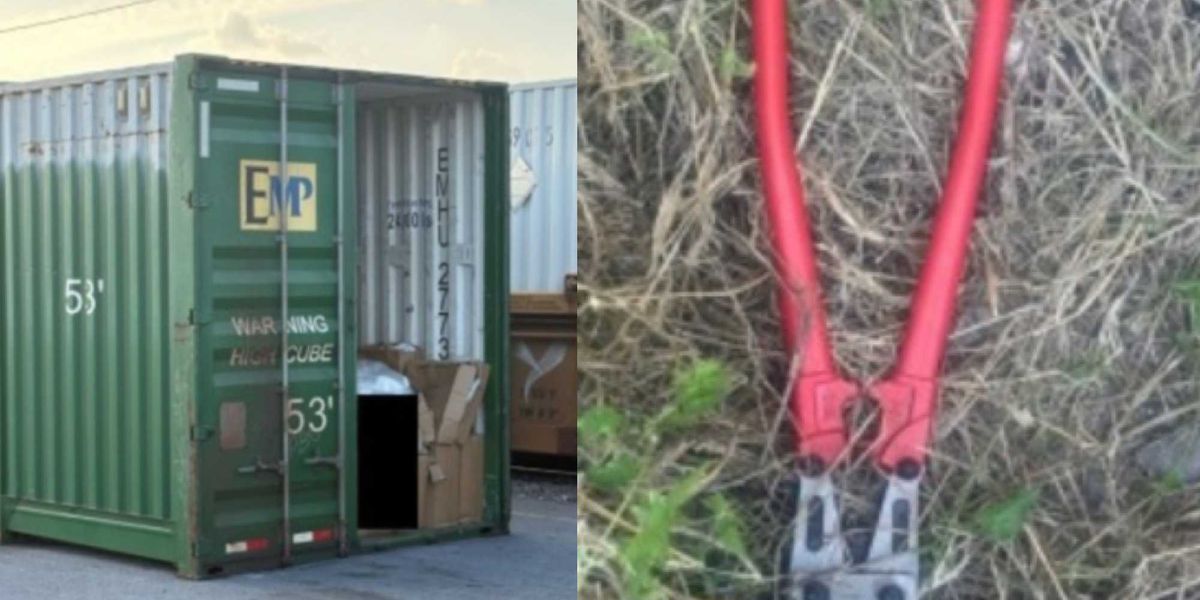
The federal government says a deadly human smuggling case has now turned into a major criminal prosecution, with multiple people facing charges after a horrific crash that killed seven migrants, including a child. Authorities say the route was packed with danger from the start, and the aftermath exposed just how reckless and brutal these smuggling networks can be. The case has put a hard spotlight on the human cost of illegal crossings and the people who profit from them.
According to the allegations, the tragedy unfolded when smugglers moved migrants in a way that put everyone at extreme risk, turning a desperate trip into a deadly disaster. Seven people died, and investigators say the circumstances were not an accident in the ordinary sense but part of a chain of decisions made by people willing to gamble with lives for money.
Federal prosecutors charged seven illegal aliens and seven others in connection with the deaths, a move that signals how broadly the case is being pursued. The charges reach beyond the immediate crash scene and point to a larger operation built around moving people unlawfully across dangerous terrain and through dangerous conditions. That kind of network thrives when border chaos creates room for criminals to operate.
The names and specific roles matter less than the pattern the case reveals. Smuggling crews often mix drivers, coordinators, guides, and recruiters into one business model, and the people being transported are usually the ones paying the highest price. When the system breaks down, it is not the smugglers who end up buried, injured, or abandoned.
The death of a child adds another layer of outrage to an already sickening case. Families making perilous journeys are often sold a lie, told that the trip will be controlled and manageable, when in reality they are being shoved into trucks, vans, trailers, or other unsafe arrangements with no real protection at all. That promise of safety is part of the scam.
What makes cases like this so infuriating is the level of cold calculation involved. These operations are not spontaneous acts of kindness gone wrong, and they are not misunderstood humanitarian efforts. They are criminal enterprises that depend on secrecy, desperation, and the willingness to treat human beings like cargo.
Law enforcement pressure has increased in response to the broader wave of smuggling and border-related crimes, but cases like this show how far the problem still reaches. Every arrest after a tragedy is a reminder that enforcement often arrives after the damage is already done. For the victims, justice is too late, but for prosecutors it still matters to expose the whole chain of responsibility.
The political reality around the border is hard to miss. When illegal entry is tolerated or waved through with excuses, smugglers take that as a green light, and the business gets stronger. The result is more deaths, more trafficking, more exploitation, and more scenes that leave communities stunned by the sheer disregard for human life.
This case also underscores a bigger truth that gets ignored too often: a broken border is not an abstract policy debate. It is a pipeline for criminal activity, and the people caught inside it are the ones least able to protect themselves. When the law is weak, the predators move in fast.
Investigators will keep untangling who did what, who organized the trip, and who knew the risks. More details may still emerge, but the core picture is already ugly enough, with a child among the dead and a network of alleged smugglers now facing serious charges. The case sits there as a grim reminder of what happens when illegal networks are allowed to flourish in the shadows.
