
• Flight 93 and the passengers who resisted the hijackers
• The meaning of courage under sudden pressure
• Unity across politics, background, and belief
• The need for vigilance against real threats
• Passing memory, purpose, and civic duty to younger Americans
Twenty-five years after Flight 93, the story still hits with the force of a gut punch, because it is not just about loss. It is about ordinary Americans who were shoved into history and answered with grit, faith, and unity when the worst possible moment arrived.
On the morning of September 11, the hijackers who seized United Flight 93 expected fear and obedience. Instead, the passengers and crew learned what was happening in New York and at the Pentagon, understood their own plane was headed toward another target, and chose to fight back.
That choice matters because it was not made in comfort or certainty. It was made in a few frantic minutes, with lives already on the line and no guarantee of survival. Even so, they refused to let evil have the final word.
The familiar words “Let’s roll” still carry a charge because they capture the American instinct to act when action is required. Todd Beamer and the others did not wait for perfect conditions or somebody else to step in. They moved together, and that courage denied the terrorists the victory they were counting on.
Flight 93 also stands apart because it showed how quickly Americans can become one people when the stakes are real. Nobody aboard that plane was asking about party labels or social tribes. They were Americans first, and that bond mattered more than anything else in those final moments.
That kind of unity did not stop at the Pennsylvania field where the plane went down. Across the country, people grieved together, helped one another, and rediscovered a sense of common purpose that feels harder to find now. The lesson is plain: national strength is not built only on weapons or policy, but on shared identity and trust.
There is also a hard edge to the story that should not be softened. Evil is real, and pretending otherwise only makes the country weaker. America cannot afford to shrug off threats, excuse hostility, or act as if dangerous enemies will be talked out of their hatred.
That means vigilance at home and resolve abroad. It means taking security seriously, supporting the men and women who defend the nation, and refusing to let comfort breed complacency. The heroes of Flight 93 had only minutes to respond, but the country has had years to prepare, remember, and strengthen itself.
Their sacrifice also presses a quieter question: what does service look like for everyone else? Most Americans will never face a moment like that cabin did, yet every generation is still asked to carry some load, protect something valuable, and leave behind a country that is steadier and better.
That is where memory becomes responsibility. Young Americans need stories like Flight 93 not as a dusty history lesson, but as a live challenge to live with courage, discipline, and purpose. A nation that forgets its heroes loses more than facts, because it starts to lose its nerve.
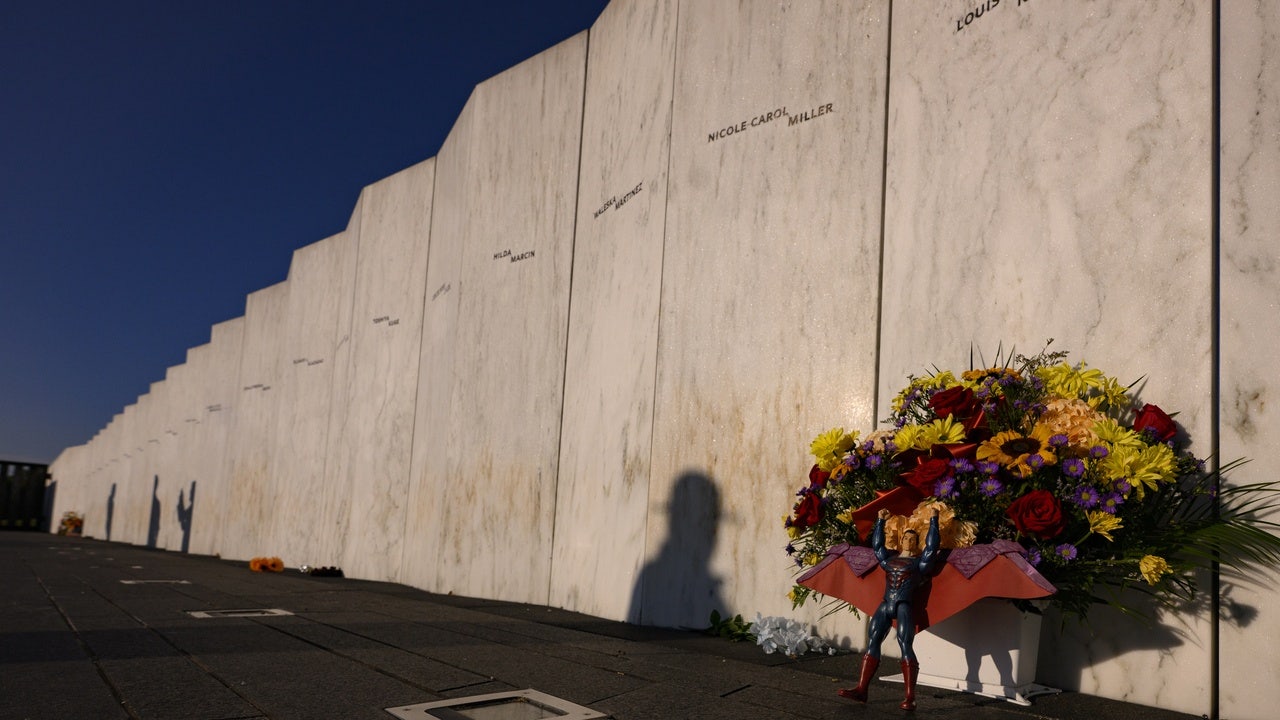
So the field at Shanksville is more than a memorial. It is a warning, a tribute, and a call to stand up when duty arrives in whatever form it takes. The passengers and crew of Flight 93 showed what happens when fear meets resolve, and their example still asks the country to match that same clarity with action.
