
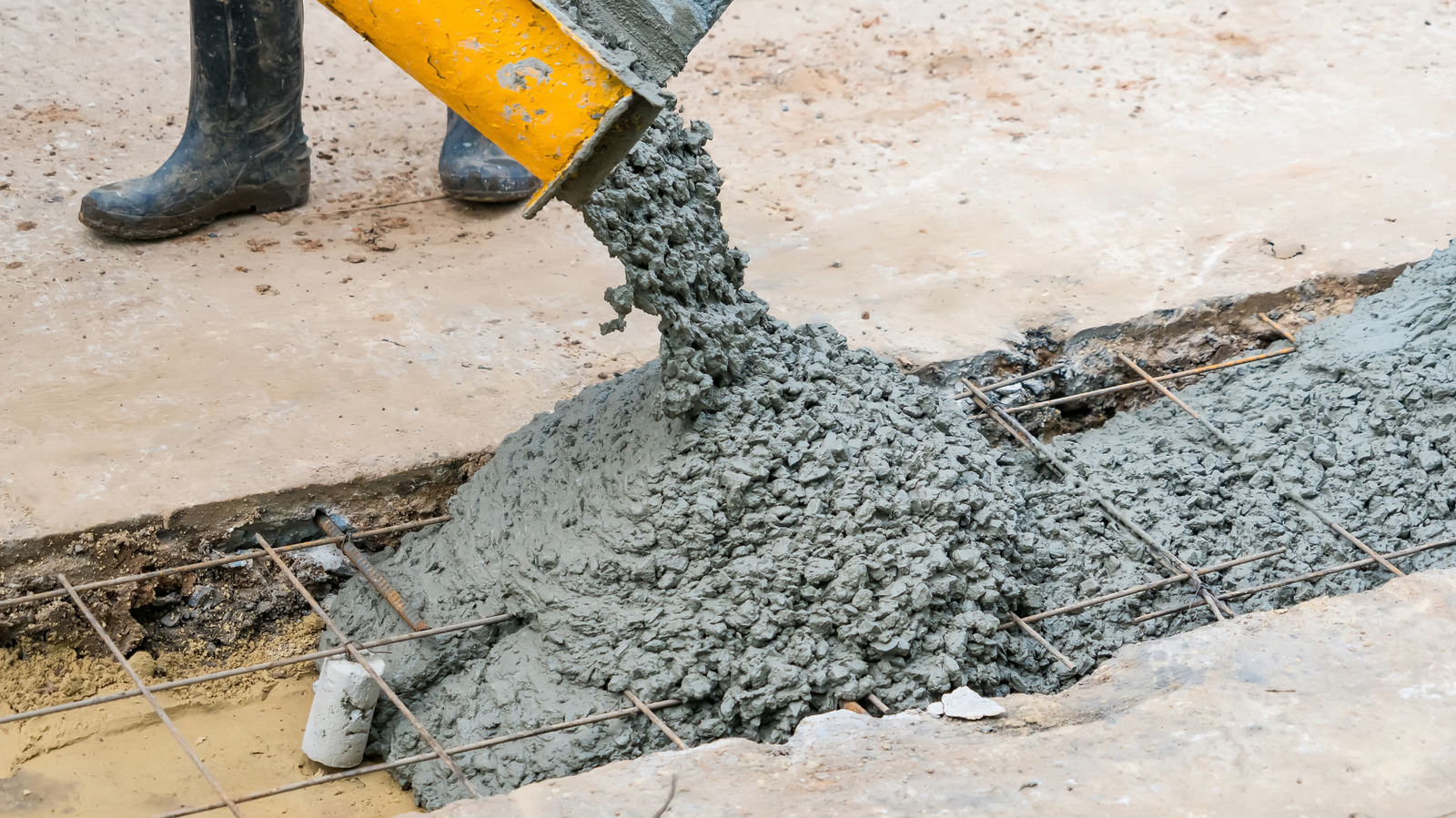
Concrete looks simple until it fights back. This piece walks through common mistakes—on mixing, pouring, finishing, and curing—that turn durable plans into cracked regrets, and gives straightforward guidance so your next slab actually lasts.
One big trap is getting water content wrong. Too much water makes wet concrete that’s easy to work with now but weak later, while too little water leaves the mix stiff and poorly consolidated, which traps air and causes voids. Think consistency, not convenience: the mix must be workable enough to place and consolidate without watering it down into a weaker paste.
Mixing is another place people cut corners and pay for it later. Under-mixing leaves clumps of cement or inconsistent aggregate distribution, and over-mixing can start breaking down admixtures and entrained air that the formula relies on. Follow the mix design and aim for a uniform color and texture, not a fast job that hides unmixed pockets.
Timing matters from the moment water meets cement. Pouring and finishing in the heat of the day without planning accelerates set time and makes smooth finishing nearly impossible. Plan pours earlier or later, use retarders when necessary, and keep your team coordinated so placement, consolidation, and finishing flow without rushed handoffs.
Consolidation sounds technical, but skipping it is common and costly. Air pockets and gaps around reinforcement happen when you don’t vibrate or tamp the concrete properly, which leaves weak spots and potential corrosion points. Use the right tools and techniques for the thickness you’re placing, and never assume gravity will settle everything evenly.
Finishing is where appearances meet structure, and overworking the surface destroys strength. Excessive troweling brings too much paste to the top and seals the surface, which can cause crazing and reduce surface durability. Aim for a finish that’s functional and durable rather than mirror-smooth unless the design specifically requires it.
Control joints are not optional; they direct cracking so it happens on purpose and in predictable places. Forgoing joints or placing them poorly lets random cracks race everywhere, which looks bad and weakens the slab. Cut joints at the right depth and spacing relative to the slab thickness and layout, and do it on schedule—too early or too late both cause trouble.
Curing is where most long-term failures begin, because people think the job is done once the surface looks set. Concrete gains strength through hydration, and it needs moisture and stable temperature to do that over days and weeks. Keep the surface damp with curing blankets, wet burlap, or curing compounds for the recommended period so the structure develops the intended toughness instead of shrinking into hairline cracks.
Reinforcement and preparation before the pour decide much of the outcome. Poor subgrade compaction, inadequate vapor barriers, or improperly placed rebar all invite settlement, uneven loads, and premature cracking. Double-check your base, ensure rebar chairs hold steel at the correct height, and verify that anchors, embeds, and pours align with the plan before a single wheelbarrow crosses the site.
Weather plays the villain role more often than builders admit, because temperature swings and wind change everything about set time and evaporation. Protect fresh concrete from direct sun and wind, cover it during cold snaps, and adjust mixes or curing strategy based on forecasted conditions. A bit of planning around weather keeps concrete predictable instead of a gamble.
Tool care and cleanup are small details with outsized payoff. Caked-on residue ruins trowels and forms, contaminates future pours, and increases the chance of defects in fresh placements. Clean tools promptly, maintain form surfaces, and keep a tidy site so each pour starts with equipment that performs as expected rather than dragging problems from one job to the next.
Concrete seems straightforward until it isn’t, but many failures trace back to a handful of avoidable mistakes. Attend to water, mixing, timing, consolidation, finishing, joints, curing, prep, and weather, and you dramatically raise the odds of a slab that stays strong and reliable. Skip the shortcuts and let attention to these basics pay off in durability that lasts decades.
