
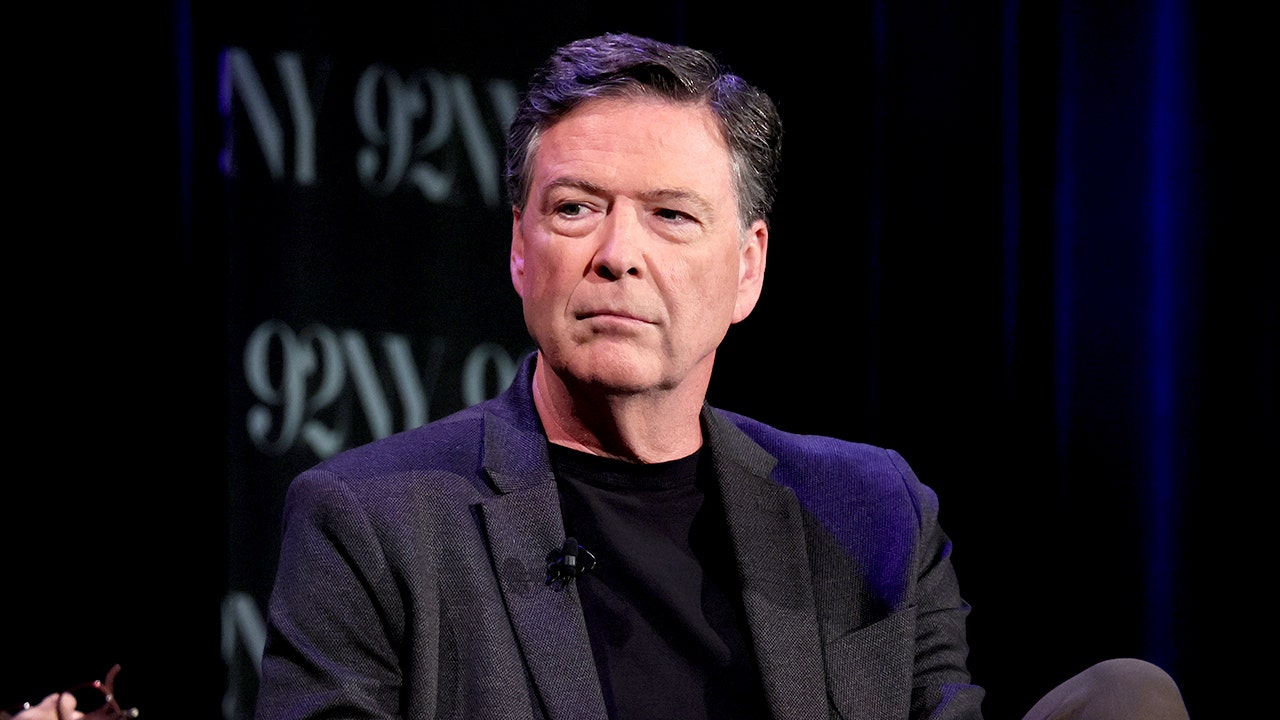
Federal investigators have reopened a familiar and very messy corner of the James Comey saga, this time with a grand jury subpoena aimed at his longtime adviser Daniel Richman. The new move puts leak allegations back in the spotlight and adds another layer to the already tense legal battles surrounding the former FBI director.
According to multiple law enforcement sources, the subpoena is tied to a fresh Justice Department probe into whether classified information was passed to the New York Times during Trump’s first term. That issue was examined before, but the effort stalled when Joe Biden took office, leaving plenty of questions hanging in the air.
The Richman angle matters because he was not some random outside voice. He was a close Comey confidant, a law professor, and a former attorney for Comey, which makes him a key figure in the earlier leak inquiry and a natural focal point for any new review.
Richman also fought back in court over investigators’ handling of his electronic devices during probes in 2019 and 2020. A federal judge in Washington, D.C., ruled in his favor late last year, giving him a legal win that now sits beside the renewed scrutiny.
The leak investigation is not happening in a vacuum. It comes on top of the separate case built around Comey’s alleged threats against Trump, a matter that has already turned into a major legal and political fight.
Prosecutors say Comey’s now-infamous “86 47” Instagram post crossed the line and amounted to a threat. The case has been charged in federal court, and Comey faces two counts that could carry serious prison time if the government wins at trial.
That broader dispute has also pulled old evidence and old memories right back into play. Prosecutors previously relied on material connected to the leak investigation when they pursued charges tied to Comey’s 2020 testimony about anonymous FBI information reaching the media.
Richman’s name has surfaced before in that context too. He was described as a former special FBI employee who allegedly communicated with reporters about investigations involving Hillary Clinton during the 2016 election cycle, making him a familiar figure in a long-running controversy over media contacts inside the bureau.
The legal weather around Comey has only gotten rougher as the case moves forward. The original prosecutor resigned in early June, a development that only sharpened attention on how aggressively the government will keep pressing the matter.
At the same time, officials have been taking a hard line on threats toward the president. Acting Attorney General Todd Blanche called threats against the life of the president a grave violation of the nation’s laws and said the Justice Department would treat the issue seriously.
Blanche also argued that the grand jury indictment showed Comey allegedly acted at a time when violent incitement and real-world attacks have already rattled public life. His message was blunt, saying the temperature needs to come down and that anyone who turns it up and threatens the president will be held accountable.
That is where the new subpoena lands, right in the middle of a broader federal effort that now reaches into leak claims, old bureau practices, and fresh allegations against one of the most recognizable former FBI leaders in modern Washington. With Richman back in the crosshairs and Comey already fighting one case after another, the legal pressure around this story is not easing anytime soon.
