
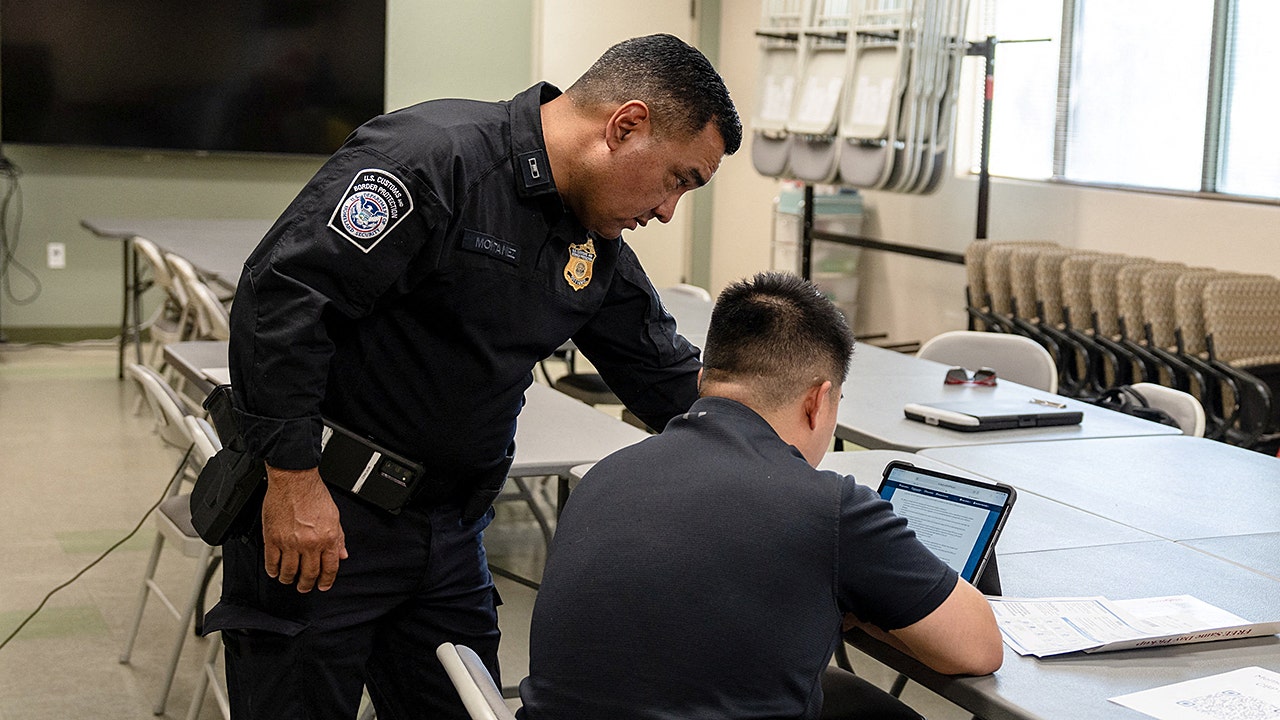
Your phone can hold a whole private life in one pocket-sized slab of glass and metal. That reality is what makes a hidden wipe code so powerful, and so risky, when border agents start asking questions. In a rare federal case out of Atlanta, a privacy feature meant to protect sensitive data has turned into the center of a felony charge, with lawyers fighting over whether the government even had the right to search the device in the first place.
An Atlanta man now faces a federal case after authorities say a special passcode erased his Google Pixel during a Customs and Border Protection inspection at Hartsfield-Jackson Atlanta International Airport. Prosecutors say the phone was lawfully in government hands and that the wipe was a deliberate move to destroy information before it could be reviewed. His defense says the whole encounter was improper from the start, arguing the agents lacked valid authority and ignored his rights.
The dispute hits a nerve because phones are no longer just phones. They carry messages, photos, accounts, location history, financial details, and a trail of personal decisions that can say more than a notebook ever could. That is why tools built for extreme privacy can look like a lifesaver in one setting and a legal disaster in another.
The case centers on Samuel Tunick, a U.S. citizen who returned from the Dominican Republic on Jan. 24, 2025. According to the court filings described in published reports, CBP officers sent him to secondary inspection and took possession of his Google Pixel while asking for the passcode. Prosecutors say the code he provided did not unlock the phone, but instead triggered a full wipe that left the device intact and the data gone.
That wipe is reportedly tied to GrapheneOS, a privacy-focused operating system for supported Google Pixel phones. One of its options is a duress PIN or password, which is separate from the normal unlock code and can erase the phone immediately when entered. The feature is designed for high-pressure situations, but once a government inspection is underway, the same tool can become a very different kind of problem.
Federal prosecutors charged Tunick under 18 U.S.C. Section 2232(a), a law used when someone destroys or damages property to block the government from taking custody of it. The penalty can reach five years in prison, along with a fine. The government’s theory is that the data on the phone was the property at issue, and that the wipe was meant to stop agents from preserving it.
The defense is attacking that theory head-on. Attorneys say the inspection was unlawful, that Tunick was detained without a warrant, and that officers failed to honor his requests to speak with counsel or receive rights warnings. They also claim the airport stop was really about his activism around the Atlanta police and fire training facility, known by opponents as Cop City, rather than any legitimate border concern.
CBP, meanwhile, has broad search authority at the border, where officers can inspect travelers and their belongings as part of entry screening. The agency says phone searches may help uncover national security threats, smuggling, and other violations. Even so, the law is not identical everywhere, and courts still wrestle with how far that authority reaches when a locked phone is involved.
There is also a practical edge to the issue that travelers often miss. A U.S. citizen cannot be kept out of the country simply because a phone cannot be opened, but refusing access can still mean delays or a temporary seizure of the device. Foreign visitors can face harsher consequences, which makes the stakes even higher when a border inspection turns tense.
What makes this case unusual is the timing. Deleting personal files at home before a trip is one thing. Triggering a wipe after officers have already taken the device is another. That split second can decide whether an ordinary privacy choice stays private or becomes the kind of act prosecutors call obstruction.
For travelers carrying sensitive work files, private conversations, or anything they would rather not explain to a stranger in uniform, the best move is simple: prepare before the airport. A cleaned-up travel phone, a solid backup, and a strong lock screen can reduce the pressure without inviting a showdown at the checkpoint. Once an inspection starts, every tap can carry more weight than expected.
