
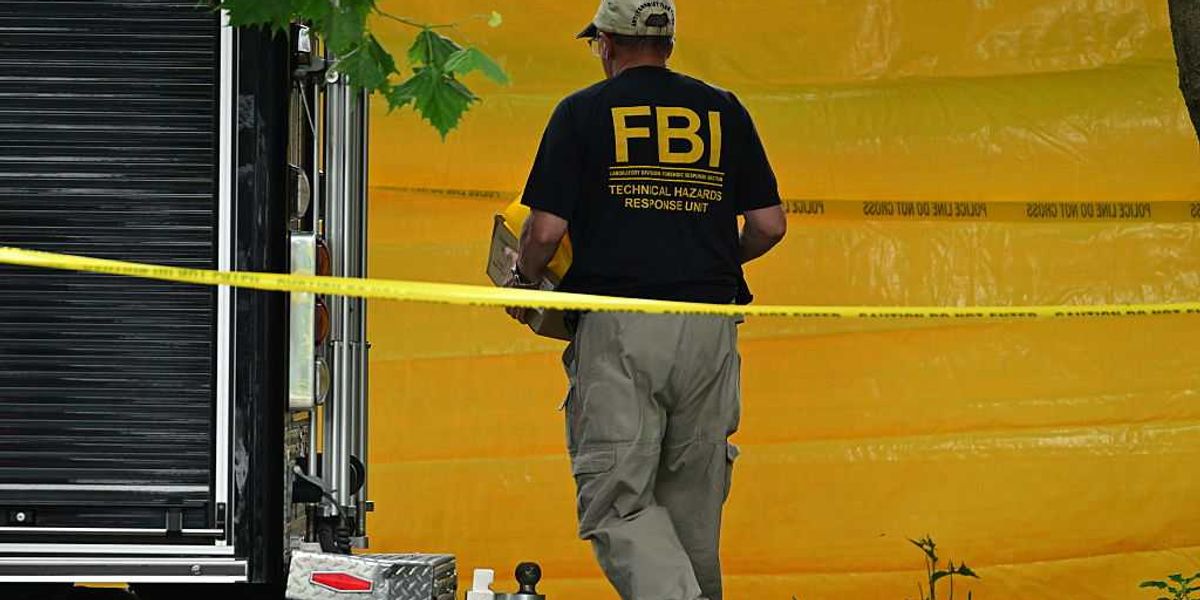
The latest FBI active-shooter report has a detail that cuts through the usual noise: armed citizens stopped some attacks before they could spiral into something far worse. That matters because the debate around mass violence too often gets stuck in slogans, while real life keeps proving that seconds count, and ordinary people can make an extraordinary difference when danger erupts without warning.
The report covers the kind of nightmare scenario every community dreads, from churches to schools to busy public spaces. In those moments, the difference between chaos and survival can come down to who is present, who is prepared, and whether anyone on scene can interrupt the attacker before law enforcement arrives.
That is where the surprise lands hard. The data shows that armed citizens have played a role in ending active-shooter incidents, which is not the storyline many gun-control advocates want to hear. It does not erase the pain, and it does not make these attacks vanish, but it does add something important to the discussion: self-defense is not theory when lives are on the line.
Cases like Stephen Willeford in Sutherland Springs have already become part of the public memory for a reason. When an attacker is firing into a congregation, the usual comfort that help is coming is not enough by itself, and a fast response from a responsible armed citizen can save lives in the gap before police can physically get there.
That reality has echoed through other tragedies, too, including recent attacks at Crosspointe Community Church and Annunciation Church and Catholic School. These are not abstract talking points. They are places where people prayed, learned, and gathered as families, only to find themselves staring at violence that no one expected to reach their front door.
The FBI’s numbers also challenge the idea that more restrictions automatically mean safer communities. Criminals do not follow gun laws, and attackers bent on murder are not impressed by paperwork, waiting periods, or virtue-signaling from politicians who will never have to stand in the hallway and make a life-or-death choice.
That does not mean every armed person is a hero or that every confrontation ends well. It means the option to stop a killer before police arrive can be a real factor, especially in places where response times stretch and the attacker is trying to maximize damage in a very short window.
Supporters of Second Amendment protection see this as common sense, not ideology. If a lawful citizen can interrupt a massacre, protect children, or force a gunman to flee, that should not be brushed aside just because it complicates a preferred political narrative.
Twin Falls is another reminder that armed defense can appear in the most unexpected settings, often when a single fast decision changes everything. Those moments do not produce neat headlines or clean talking points, but they do leave behind a powerful lesson: the people closest to the threat are sometimes the only ones who can act in time.
There is also a deeper cultural issue here. Communities have grown used to being told that safety comes from distant systems, polished speeches, and promises that somebody else will handle it. But when the shooting starts, trust gets replaced by urgency, and the value of a prepared, responsible armed citizen becomes much harder to deny.
That is why reports like this hit so hard. They force a blunt conversation about protection, responsibility, and the limits of one-size-fits-all thinking, while reminding everyone that evil does not wait for consensus before it strikes.

2 Comments
OK national concealed Carry
The problem today is liberal judges dictating their law.
In Arizona the Castle Doctrine applies. if it happens in your own home you have a right to defend your Castle with force being afraid for you life and the lives of your family.