
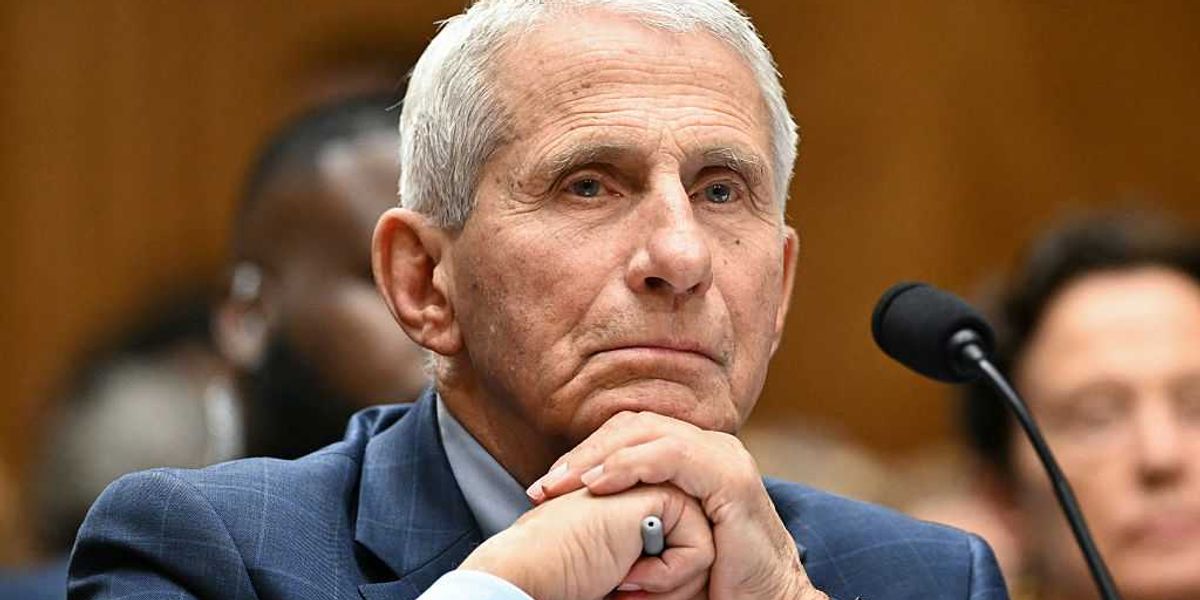
The autopen fight has turned into a political mess with a very familiar name sitting right in the middle of it: Anthony Fauci. What started as a debate over presidential signatures and pardon power has spilled into bigger questions about accountability, congressional oversight, and whether powerful officials can keep dodging the consequences of their own choices.
The whole thing has also exposed a sharp contrast in how the political class handles scandal. When a system looks sloppy on the surface, Washington tends to circle the wagons, but that usually only makes the public more suspicious. Fauci, already a lightning rod after years of pandemic fights, now finds himself benefiting from a cloud that keeps growing around the Biden White House.
The autopen issue matters because it is not just about a machine signing papers. It is about whether major decisions were made cleanly, who approved them, and how far executive power can stretch before it starts to look like a workaround instead of real authority. Once that question gets asked, every related controversy suddenly feels a lot heavier.
That is where Fauci enters the picture. He has spent years at the center of arguments over COVID policy, public messaging, and the origins of the virus, and critics have long wanted more answers about his role in the broader pandemic response. Now, with the Biden autopen controversy drawing attention away from those old fights, one obvious result is that Fauci gets less heat than he otherwise would.
For people who have pushed for accountability, that is hard to ignore. If the public conversation stays stuck on the mechanics of pardons and signatures, the deeper story about who was protected, who was questioned, and who managed to avoid real scrutiny gets buried beneath a pile of process talk. That kind of drift is exactly what frustrates voters who think the powerful always seem to land softly.
There is also the pardon angle, which only adds more fuel. A pardon can wipe away legal exposure, but it cannot erase public memory or shut down suspicion about why certain names keep getting special treatment. Once the conversation turns to who might have benefited from a rushed or murky process, Fauci’s name becomes part of a much bigger political storm.
Then there is the issue of Congress, which has never been known for backing off when a controversy can be turned into a hearing. Lawmakers like Rand Paul have pressed Fauci before on gain of function research, pandemic decisions, and what he knew when he knew it, and those clashes have left a mark. The autopen scandal gives critics fresh momentum, because it reinforces the sense that accountability in Washington is always selective.
The Fifth Amendment has also entered the picture in a way that makes the story even more combustible. Whenever officials decline to answer under constitutional protection, the public naturally starts wondering what they do not want to say. That reaction is not hard to understand, especially when trust in institutions has already been dragged through the mud for years.
The Department of Justice sits in an awkward spot too, because any serious inquiry into the mess will raise questions about whether anyone in power truly wants a full accounting. Investigations in Washington often look fierce at the start and gentle by the end, which feeds the idea that elite figures know how to outlast pressure. If that happens again here, Fauci walks away in better shape than many of his critics think he deserves.
What makes all of this sting is the larger pattern. The same political class that demanded obedience from the public during the pandemic now seems eager to treat the aftermath like an inconvenience. That is why this story keeps sticking, and why Fauci remains such a useful symbol for people who think the rules bend when the right names are involved.
The autopen controversy may keep churning, and more details could still surface about who signed what and when. But even before that happens, the damage is already visible, because every new wrinkle makes it easier for the public to believe that the system protects its own first and explains itself later. Fauci, as always, ends up standing in the middle of the blast radius.
