
Federal judges are now staring straight at a messy clash between old First Amendment rules and a new wave of AI-generated abuse material. The Seventh Circuit said existing Supreme Court precedent tied its hands, even as the judges warned that technology has raced far beyond the world that shaped those earlier decisions.
A federal appeals court has upheld the dismissal of a possession charge tied to AI-generated child sexual abuse material, saying the law still follows a 2002 Supreme Court ruling that protected certain virtual depictions when no real child was used. The case involved a Wisconsin man investigators say had hundreds of explicit AI-created images on devices seized from his home, and the court said that the possession count could not survive under current constitutional doctrine.
The panel’s message was blunt: the legal line that once looked clear has become much harder to defend. The judges said AI now makes it possible to produce images that can look frighteningly real, which throws a fresh spotlight on rules built for a far less capable era of digital tools.
Judge John Lee wrote that the Supreme Court’s old decision on virtual child sexual abuse material came nearly a quarter-century ago, long before today’s image-generation systems were on anyone’s radar. He added that the court had real concerns about where the law is headed, but it was not allowed to redraw the line itself.
The defendant, Steven Anderegg, faced four charges in all, including producing and distributing the material and transferring it to a minor under 16. A federal district court threw out only the possession charge on First Amendment grounds, and the appeals court left that ruling intact while the other charges remained in place.
That split matters because the government can usually ban possession of child sexual abuse material involving real children, since the harm begins with actual exploitation. But the Supreme Court’s 2002 ruling created a separate lane for fictional or virtual images that did not use minors in their creation, and that distinction still controls the outcome here.
The Justice Department argued the law should still reach obscene virtual material even when no real child was involved. The appeals court did not buy that argument, saying the old precedent remains binding until the Supreme Court says otherwise.
Some legal observers said the result was predictable, even if the outcome feels ugly. Hans von Spakovsky of Advancing American Freedom said the appellate judges had no real option under the First Amendment framework the Supreme Court had already set in motion.
At the same time, he and the judges in the concurrence pointed to the same uncomfortable reality: AI has changed the game. Images can now be generated so convincingly that the difference between real abuse and synthetic abuse may be hard to spot, which raises obvious problems for investigators, prosecutors, and courts.
The concern is not just theoretical. Government lawyers have warned that AI-generated child sexual abuse material can swamp efforts to identify actual victims, because fake images may be nearly impossible to separate from real abuse at a glance. That kind of confusion can slow down investigations when speed and clarity matter most.
Judges Lee and Joshua Kolar also pointed to research suggesting that large image-generation datasets may contain child sexual abuse material, which could blur the line even more. They were careful to note that the record in this case did not settle that question, but the warning still landed like a shot across the bow.
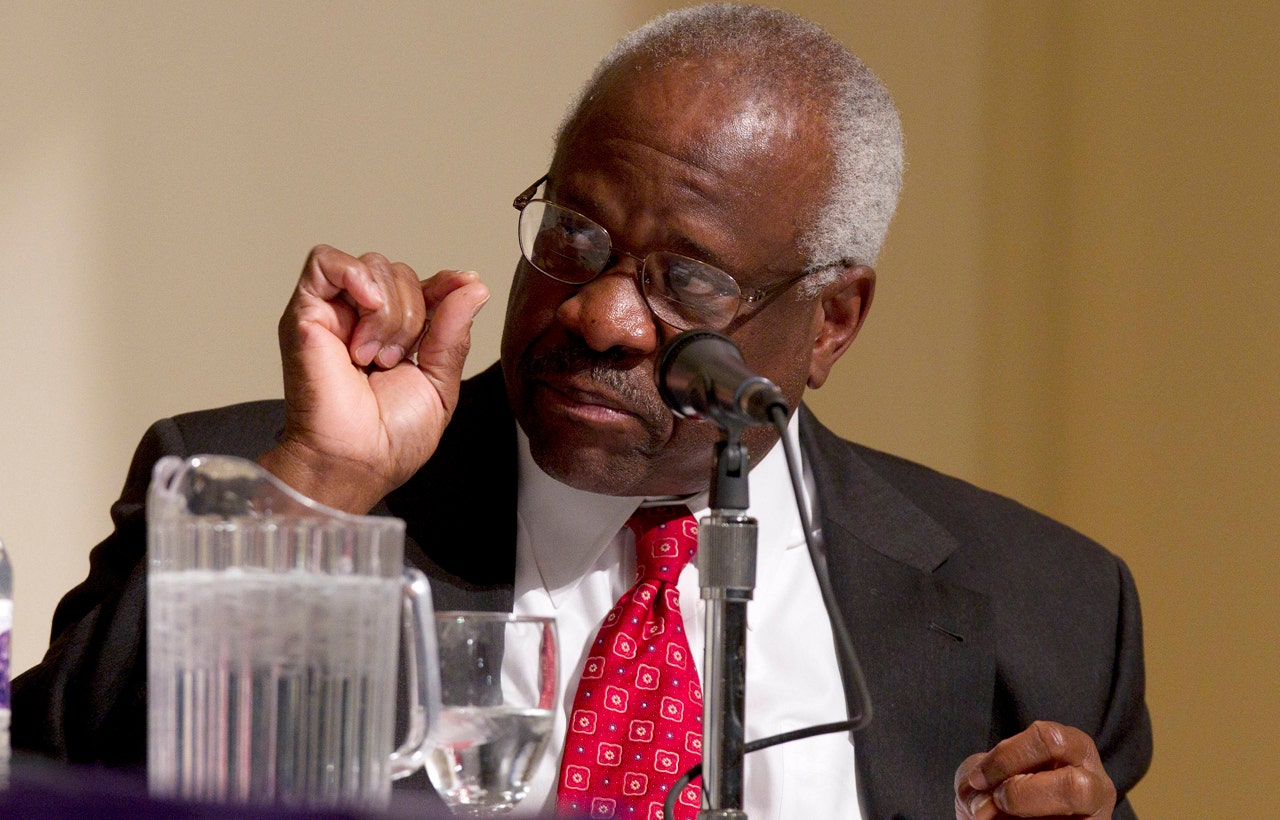
Justice Clarence Thomas saw this problem coming years ago. In the 2002 ruling, he noted that future technology could make virtual images indistinguishable from material involving real victims, and he wrote that the government might one day need new ways to regulate certain speech to protect children from exploitation.
That warning now feels less like a prediction and more like a live problem. The courts are being asked to apply legal categories built for an older internet to tools that can manufacture disturbing images in seconds, and the tension between constitutional protection and child safety is only getting sharper.
For now, the Seventh Circuit says it had no choice, and that is what makes the ruling so unsettling. The law may be stuck in the past, but the technology is already somewhere else.
