
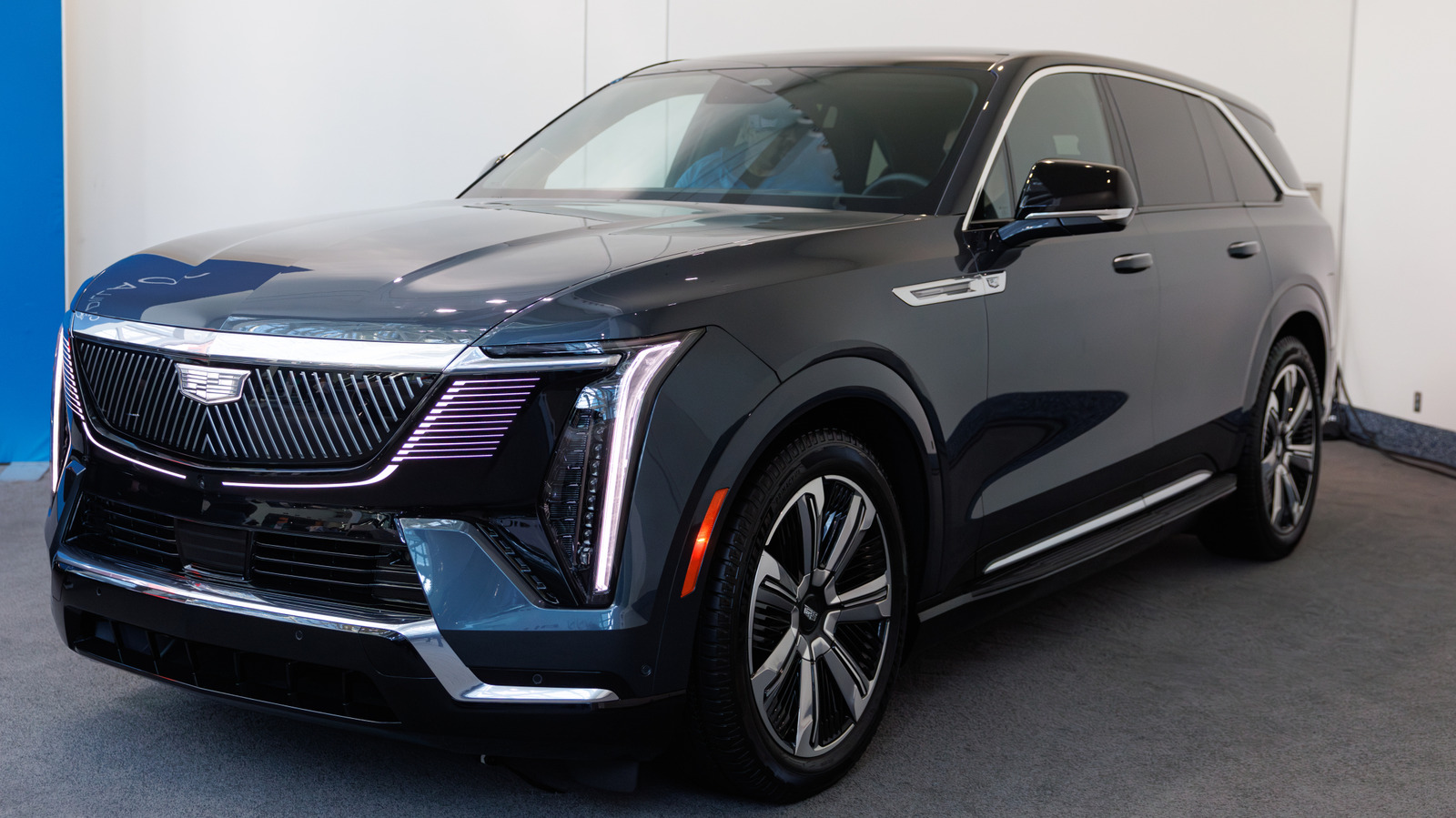
Family SUVs often get written off as sensible haulers, but plenty quietly bring muscle to the driveway; this article takes a close look at why some family-friendly crossovers and three-row rigs accelerate harder than you’d expect, what that feels like, and the tradeoffs buyers should consider when chasing both space and speed.
Under the hood is where the surprise usually lives: modern family SUVs borrow technology from performance cars, like turbocharged four-cylinders, twin-scroll turbos, and snappy eight-speed automatics, all tuned to deliver brisk midrange torque that pins you into the seat without screaming for fuel. Hybrid and mild-hybrid systems add electric torque bursts that improve off-the-line punch while keeping daily drivability smooth for parents juggling kids and cargo. All those numbers—horsepower and torque—matter, but the way they arrive and the transmission’s willingness to hold gears make the real difference in everyday bursts of speed.
Driving a powerful family SUV is more about usable shove than headline horsepower, and manufacturers know it; you don’t need a racecar’s rev ceiling, you want immediate response when merging or overtaking on two-lane roads. Chassis tuning and weight distribution play a big role too, because a heavy crossover can still feel sporty if the suspension and steering are dialed in to minimize body roll and keep the wheels planted. That means engineers focus on torque curves, gear ratios, and adaptive dampers so that a family vehicle can be comfortable on the school run and confident on a twistier back road.
Of course there are tradeoffs, and they’re practical ones: more power usually nudges fuel use and insurance premiums upward, and performance tires or brakes that improve feel can wear faster than economy-focused kit. Safety features and crash structure are non-negotiable for family buyers, so the best choices pair strong acceleration with high safety ratings, modern driver assists, and solid seat layouts for child seats. Maintenance reality matters as well; turbocharged engines can be delightfully quick but they often demand careful oil service and attention to heat-management systems to stay reliable over the long haul.
Think about how you’ll actually use the SUV: a fast five-passenger crossover with a punchy four-cylinder is ideal if you need brisk highway passing and good fuel economy, while a three-row bruiser with a V6 might be better if you regularly tow, carry passengers and cargo at once, and want effortless power under load. Towing capacity, transmission cooling, and rear-axle gearing become crucial if you attach a boat or trailer, since a lively engine without the cooling or gearing to sustain hard pulls can overheat or sap lifespan. In short, match the powertrain to your routine rather than chasing raw sprint numbers alone.
Performance hardware that matters more than the label includes transmission behavior, all-wheel-drive calibration, and suspension sophistication; a smart automatic that downshifts crisply and keeps the engine in the sweet spot will transform perceived acceleration. Adaptive suspensions and selectable drive modes let you swap between cushy family comfort and firmer, sportier settings for when you want a sharper feel, while upgraded brakes and steering calibrations tighten the connection between driver input and vehicle response. These systems bridge the gap between family-friendly usability and the visceral enjoyment of a truly quick SUV.
When shopping, prioritize a real test drive with realistic loads and highway merging scenarios so you can judge acceleration under everyday conditions, and pay attention to torque at lower revs as well as transmission shift logic. Compare real-world fuel economy figures and check service intervals, because long-term cost of ownership can erode the joy of a fast SUV if upkeep proves expensive. Ultimately, family SUVs with surprising speed offer an appealing blend: they keep the kids comfortable and the cargo secure while giving drivers a confident, lively ride when the road opens up.
