
Automakers once talked as if the gasoline engine was living on borrowed time, with sleek electric models set to take over the driveway for good. That future has not arrived in the neat, fast way many executives expected, and buyers have made that plain with their wallets.
The gap between what companies planned and what customers actually want has turned into one of the auto industry’s biggest reality checks. Electric vehicles still matter, but the old gas-powered standby is showing a lot more staying power than the industry’s loudest forecasts suggested.
The push toward EVs was built on big promises, generous subsidies, and a belief that shoppers would quickly trade familiarity for a battery-powered new normal. Instead, many buyers kept looking for what they know best: range, lower sticker shock, easy refueling, and the confidence that comes with a gasoline engine.
That mismatch has forced some of the biggest names in the business to slow down, rethink, and in some cases back away from the most aggressive EV timelines. When demand does not match the talking points, even the most confident boardroom strategy starts to wobble.
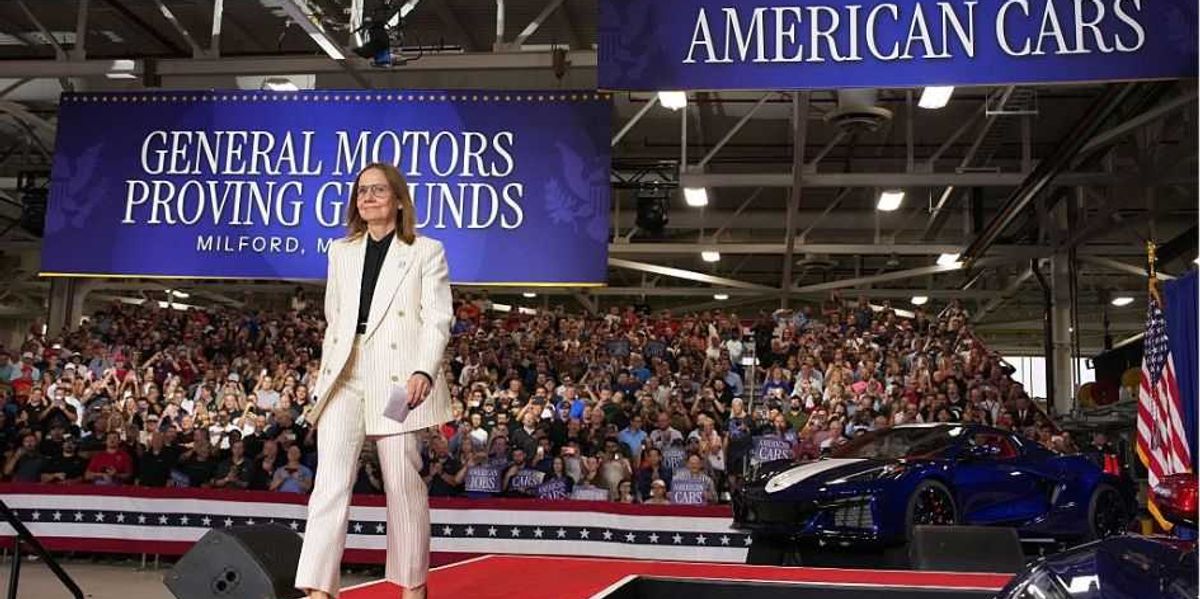
General Motors has become one of the clearest examples of that shift. CEO Mary Barra spent years signaling a future with a much smaller role for gas engines, but the market has not moved in a straight line, and Cadillac’s EV-first push has not erased the appeal of traditional models.
Hyundai and Kia are in a similar spot, balancing the pressure to build out electric lineups while keeping gas-powered vehicles front and center. Ford has also had to navigate the same tension, trying to satisfy regulators and investors without ignoring shoppers who still want the convenience and value of a conventional vehicle.
Part of the problem is simple math. EVs can be impressive on paper, but the real-world costs often stack up fast, from the purchase price to charging access to the uncertainty that comes with battery depreciation.
That is where the gasoline engine keeps winning. It is familiar, widely available, and easy to live with, especially for drivers who do not want to plan trips around charging stations or worry about whether cold weather will chew up their range.
The tax credit era also helped create a distorted picture of demand. Incentives can make a product look hotter than it really is, and once those advantages fade or get stricter, shoppers tend to reveal their true preferences in a hurry.
Some automakers assumed the EV transition would be a clean breakout moment, like flipping a switch. In reality, the market has been messier, with luxury buyers, commuters, rural drivers, and budget-minded families all responding differently to the same pitch.
That has left the industry in a strange position. Companies still need to talk about electrification, but they also need to keep building the vehicles that actually move off dealer lots, and for now that still includes plenty of gas models.
For buyers, the message is less dramatic and a lot more practical. Plenty of drivers are open to new technology, but they are not eager to give up convenience, range, and affordability just because the industry wants a cleaner headline.
The result is a market that looks less like a clean break and more like a tug-of-war. Electric vehicles are part of the future, but the gasoline engine is not going away quietly, and the people buying cars are making sure automakers hear that loud and clear.
