
Europe’s energy map has flipped fast: a 2022 shock from Russia, a hard legal break, a Gulf disruption, and now long-term American supply locked in under pressure. The fallout is legal bans, built terminals, and contracts that point the continent toward U.S. LNG as the backbone of its gas system. What looks like chaos in the Middle East actually accelerated a permanent realignment, and that is the piece this article follows.
When Russia invaded Ukraine, Europe realized it needed to break pipeline dependence and diversify. The reaction was rapid and deep: Russian pipeline deliveries collapsed, and European leaders vowed never to rely on a single supplier again. That pledge became law, and it reshaped the continent’s negotiating posture almost overnight.
Russian pipeline gas fell from 137 billion cubic meters in 2021 to roughly 18 billion cubic meters by 2025, while Russia’s share of EU imports plunged from about 45% to roughly 12%. The European Parliament then enshrined the break with a decisive vote to ban Russian LNG and phase out pipeline imports. The legal change made the pivot official and removed half-measures from the table.
RUSSIA’S GAS GAMBLE BACKFIRES AS TRUMP’S ENERGY VISION RESHAPES EUROPE
The replacement plan was broad: more Norwegian pipelines, supplies from Algeria and Azerbaijan, Gulf LNG, renewables to trim demand, and American LNG as a major pillar. Germany even sent a high-level team to the Gulf to secure deals and diversify away from Moscow. Those moves looked like a genuine attempt to build energy pluralism in Europe.
TRUMP’S MIDDLE EAST ENERGY VICTORIES ARE A HUGE REMINDER OF AMERICA’S DOMINANCE
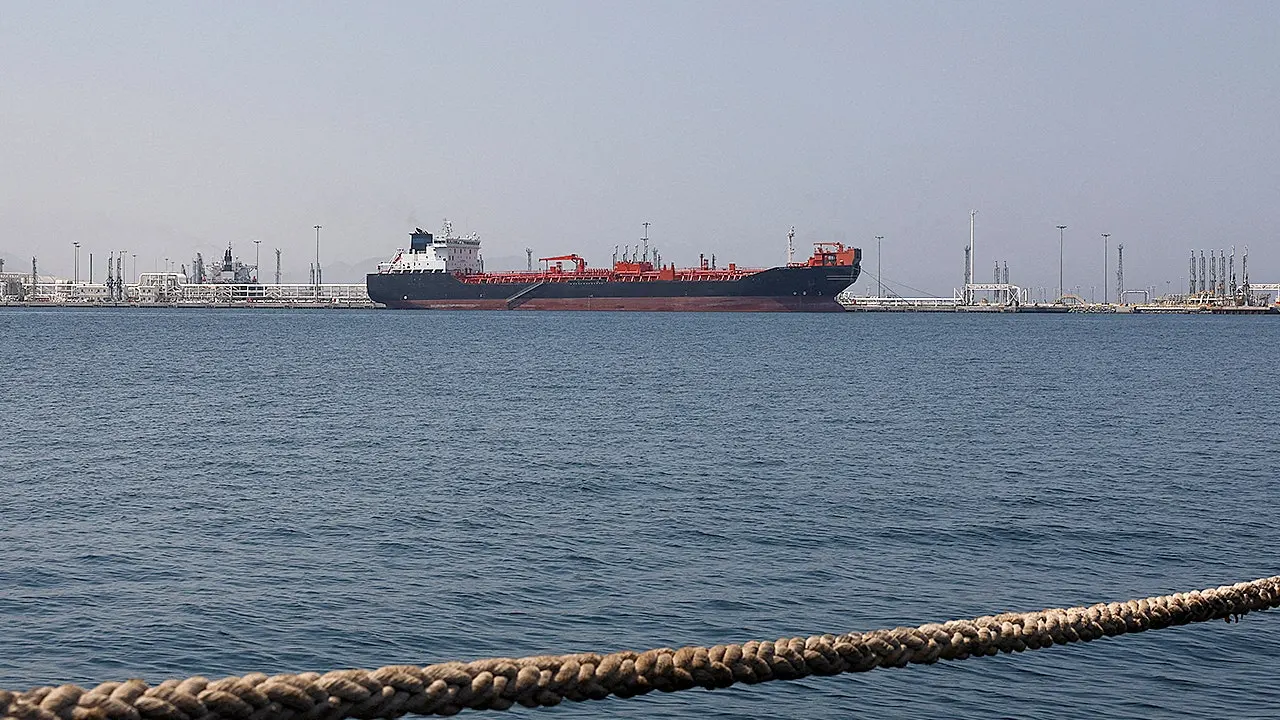
Then a regional flare-up changed the arithmetic. U.S.-Israeli strikes against Iran spiraled into a wider confrontation, and the Strait of Hormuz — gateway for a huge share of global oil and Gulf LNG — was effectively disrupted. Insurers and shippers treated the sea lanes as a war zone, prices spiked, and Europe’s already low gas stores started to shrink fast.
TRUMP ORDERS A BLOCKADE IN THE STRAIT OF HORMUZ AS TENSIONS WITH IRAN SOAR
The practical result was simple: Qatari LNG could be available but it couldn’t safely transit to Europe. That left American terminals and U.S. cargoes as the most reliable buttons Europe could press. Every week the Hormuz corridor stayed dicey, the pressure to sign long-term U.S. deals increased, and buyers found their bargaining power reduced by events outside their control.
STEVE MOORE: FIVE ENERGY TRUTHS THE MEDIA IGNORE AS AMERICA’S OIL BOOM BLUNTS THE IRAN WAR’S IMPACT
Before these shocks, the U.S. supplied about 24% of EU LNG imports. By late 2025 that share had surged to more than half, and early 2026 estimates put U.S. deliveries even higher. Under wartime pressure, European firms extended and signed long-term American contracts, locking in supply at prices and terms negotiated under duress but binding nonetheless.
IEEFA projects EU imports of U.S. LNG could reach 115 billion cubic meters per year by 2030, amounting to some 80% of EU LNG and roughly 40% of all EU gas flows. Germany, which once leaned on Russian pipelines, is now routing most of its gas through terminals built to free it from Moscow. The infrastructure and the contracts are now aligned toward a single transatlantic supplier.
That shift was not only commercial but structural. The Russian ban is law, terminals are active, and long-term American deals are signed. Tripping to Doha or waving diplomatic papers can’t undo contracts or rebuild a vanished pipeline network. The war and the policy moves combined to create a durable energy direction.
The immediate crisis may calm, and an Iran agreement could close a chapter of violence. But the legal changes, the terminals, and the long-term U.S. contracts remain. Europe’s post-2022 architecture now points unmistakably in one direction: toward American gas and the security that comes with it. Toward America.
