
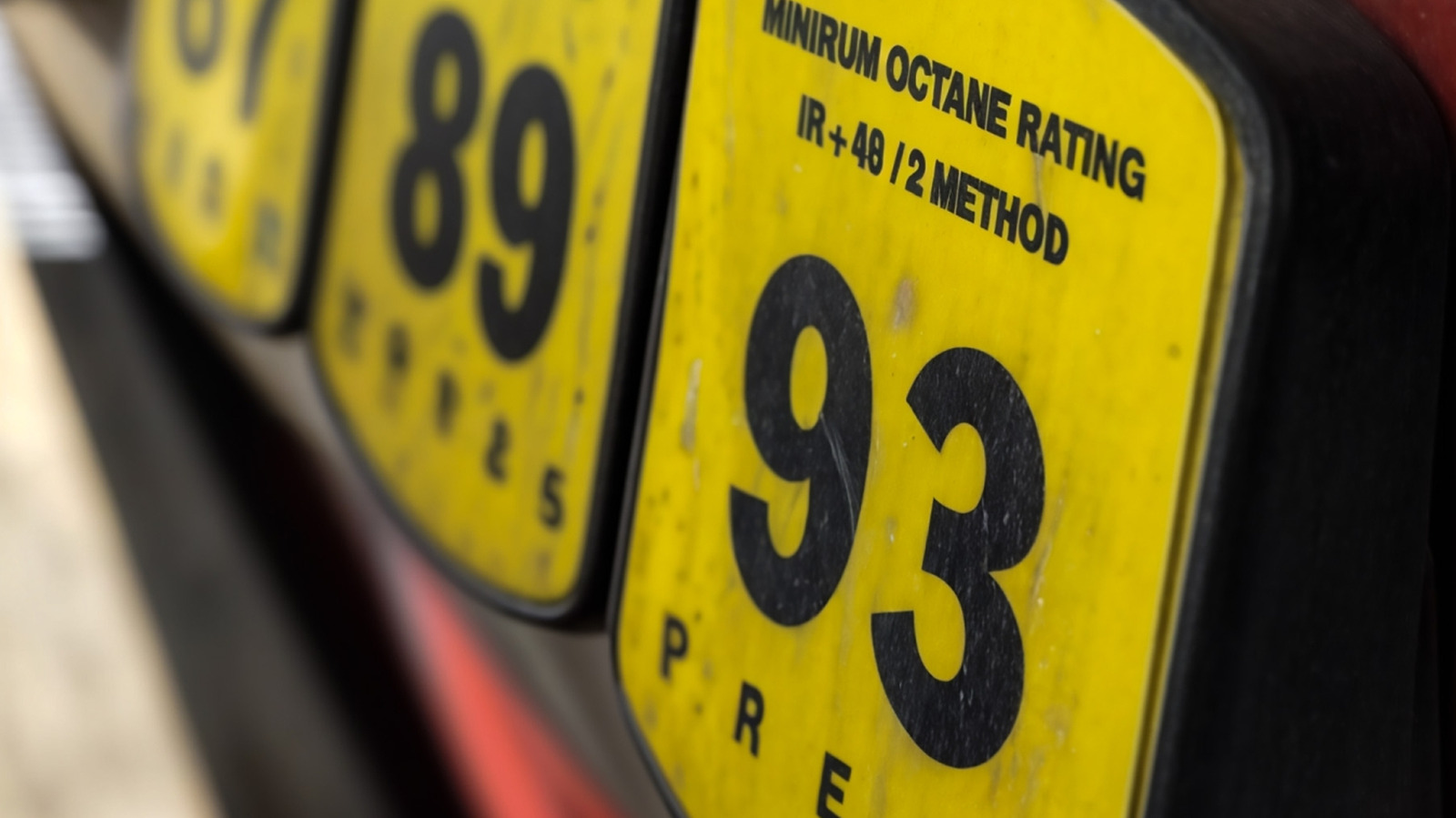
Gasoline octane numbers like 91 and 93 show how resistant a fuel is to knocking, and the difference you see at pumps mostly comes down to regional standards, refinery blends, and marketing choices. This article explains the technical reasons behind different octane labels, why some stations stock one grade over the other, how geography and engine needs factor in, and what drivers should actually care about when fueling up.
Octane rating measures a fuel’s ability to resist premature ignition under compression, which causes engine knock. Higher numbers mean greater resistance, which can help high-compression or turbocharged engines run smoothly. Most modern cars are tuned for a specific minimum octane, and using the recommended grade keeps the engine running as designed.
Why do some pumps offer 91 while others show 93? Part of the answer is regional standards and how octane is measured and labeled. Different regions and companies choose slightly different testing methods and rounding practices, so a “91” in one place can behave very similarly to a “93” elsewhere.
Refineries and distribution systems also shape what ends up at your local station. Refiners produce base stocks that are blended with various additives and hydrocarbons to hit target octanes, and the final mix depends on what grades the refinery prioritizes. Logistics matter too: truck and terminal capacities, local demand, and storage constraints influence what combinations of grades a station can economically carry.
Altitude plays a quieter role in fuel choices. Engines at higher elevations naturally encounter thinner air and lower effective compression, which reduces the tendency to knock. In mountain regions you often see lower posted octane requirements and different grade offerings because vehicles there less frequently need higher octane to prevent knock.
Marketing and retail strategy are big reasons you see a 91 versus a 93. Some chains standardize on certain grades to simplify inventory and branding, while others offer a premium 93 to attract performance-minded drivers willing to pay a bit more. Stations with higher foot traffic from sports cars or luxury vehicles are likelier to keep that higher octane on the shelf.
There are myths worth dispelling about octane. Higher octane does not automatically mean more power unless the engine is tuned to take advantage of it. Putting 93 into an engine designed for 87 will not create benefits and is usually just a wipe of extra cash from your wallet. Conversely, using lower-than-recommended octane can trigger knock and potentially damage components over time.
Additives and detergent packages are separate from octane, and they matter for engine cleanliness and long-term performance. Stations may sell fuels with different additive formulas regardless of their octane rating, and premium fuels often include stronger detergent claims. Still, those additives are not the same as octane; one affects combustion resistance, the other combats deposits and gunk.
How should a driver decide which pump to use? First, follow the vehicle manufacturer’s recommendation stamped on the fuel door or listed in the manual. If your car calls for midgrade or premium, use it; if it specifies regular, you won’t gain anything from upgrading. If occasional knocking happens, modern cars can often compensate, but persistent knock warrants using a higher octane and getting the engine checked.
Ultimately, seeing 91 at one station and 93 at another is a mix of chemistry, commerce, and convenience. The numbers reflect how fuels are blended, what refineries and retailers prioritize, and regional needs like altitude and vehicle mix. For most drivers the practical takeaway is simple: use the octane your engine needs, ignore the marketing, and don’t expect magic from a higher number when your car doesn’t ask for it.
