
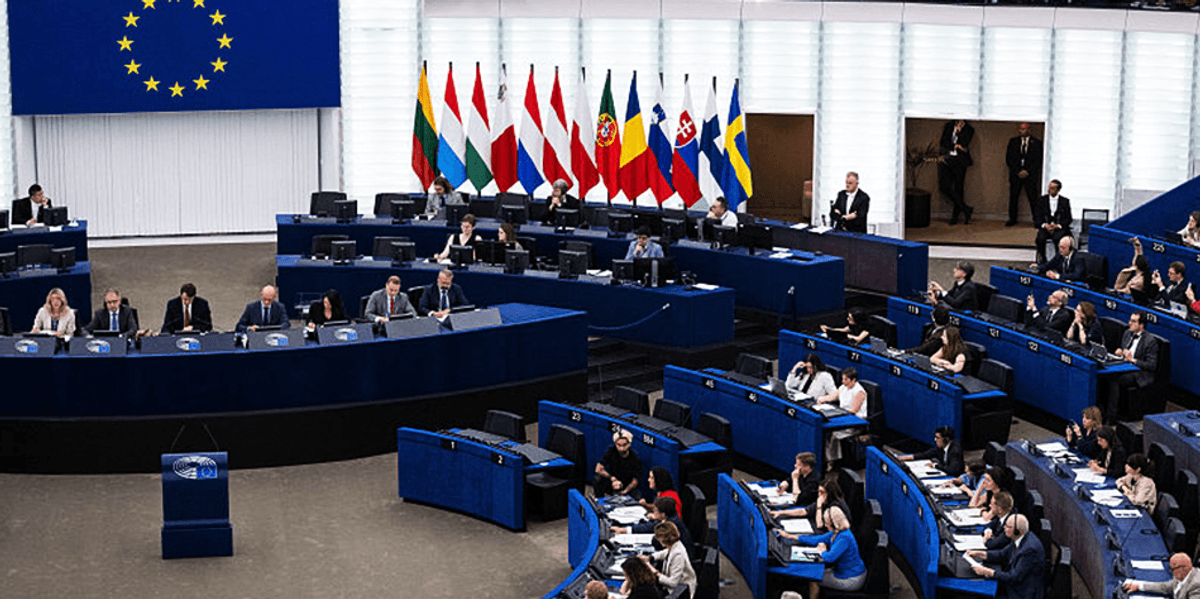
The European Union is pushing a sweeping plan that could change how private messaging works across the continent, and the fight over it is getting louder. What started as a move to scan email and texts has now collided with the much bigger question of whether encrypted communication can survive once governments decide they want access. The debate is no longer abstract, because people are staring at a system that could force platforms to inspect more of what users say, even when those messages were supposed to stay locked down.
Supporters of the policy frame it as a tool to crack down on harmful content and protect the public, but critics see something else entirely. They see a bureaucracy reaching straight into private conversations and treating privacy like a nuisance instead of a basic right. Once that line gets crossed, the concern is that there is no clean way to put the toothpaste back in the tube.
The strongest pushback has focused on encrypted texts, since encryption is what keeps personal messages from being read by outsiders in the first place. If companies are required to scan content before it is sent or while it is stored, the whole point of secure messaging starts to weaken. That is why so many people are calling this a turning point, not just another tech regulation.
For critics, the issue is bigger than one proposal. They argue that once a government normalizes broad scanning, it creates a system that can expand fast, especially when officials decide the first round did not go far enough. The fear is not paranoia; it is a straightforward read of how power tends to behave when it gets a fresh excuse to grow.
The political backlash has also been sharpened by public frustration with elites who talk about safety while brushing off ordinary people’s rights. That tension has made this fight feel personal for a lot of users who do not want their private chats turned into open books. Many see the plan as another example of institutions demanding trust while offering very little reason to earn it.
Encrypted messaging is not a niche concern anymore. It is part of how families talk, how workers coordinate, how journalists protect sources, and how everyday people keep personal business personal. When that layer of protection starts getting chipped away, the consequences ripple far beyond one country or one app.
Some lawmakers insist the public should not worry if they have nothing to hide, but that argument lands badly with people who understand how surveillance really works. Privacy is not about hiding wrongdoing, it is about keeping control over your own life. If every conversation has to be measured against what authorities might want to see, the tone of the internet shifts in a hurry.
There is also the practical problem that scanning systems are never as clean or precise as the sales pitch suggests. Automated filters can misfire, overreach, and catch innocent material in the net, which only adds more anger to an already tense debate. The more the system expands, the more users are left wondering whether private speech is still private at all.
That is why the fight over full scans and encrypted messages has become such a flashpoint. It reaches into the heart of how free people communicate and how much power governments should have over digital life. For millions of users, the answer is becoming clearer by the day, and they are not happy about where this road leads.
