
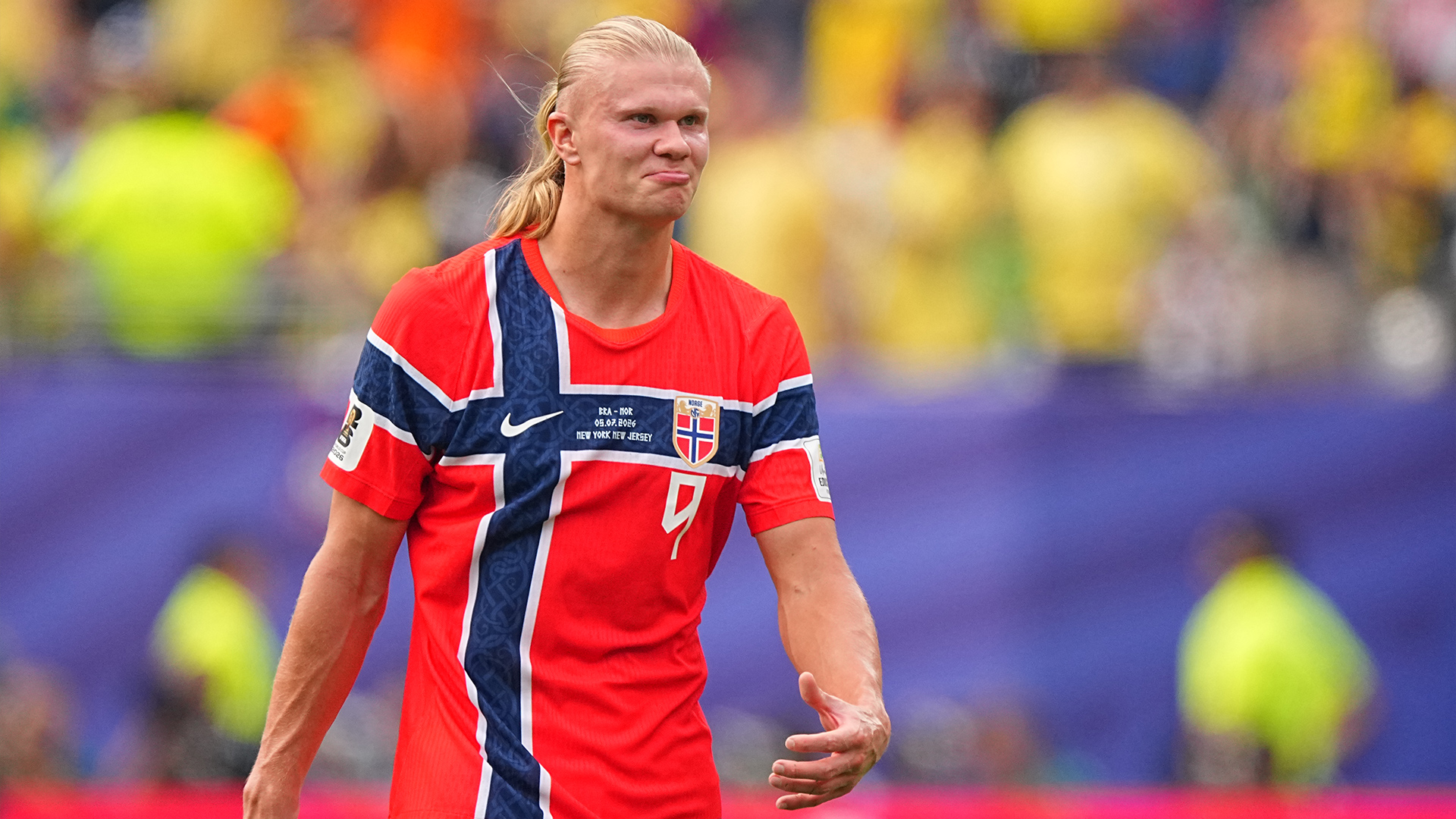
Erling Haaland’s World Cup run didn’t just light up stadium scoreboards, it exploded across social feeds and meme culture, turning a clinical striker into a global pop moment. This piece tracks how his goals, mannerisms, and off-field moments spread online, how fans and critics shaped the narrative, and what the attention means for his brand and football’s wider culture. Expect sharp observations about viral moments, commercial fallout, and why a single tournament can change a player’s public life overnight.
From the first match Haaland played, his style cut through the noise: a rare mix of brute power, precision finishing, and a face that photographers love. Clips of his runs and finishes moved faster than match highlights, stitched into reaction videos, parody edits, and celebratory soundtracks. Social platforms amplified tiny moments into global conversations, turning a series of in-game actions into a cultural event.
The memes arrived quickly and with force, often focused on Haaland’s celebration choices, his expressions, and the almost mechanical efficiency of his goal record. Fans used humor to process the shock of watching someone dominate in real time; opponents’ fans turned jokes into art. Those memes did more than entertain—they created identity signals that linked supporters across countries.
Sports media fed the frenzy, pushing micro-stories about Haaland’s diet, prep routines, and pre-match rituals to hungry audiences. Analysts dug through every touch and sprint, trying to translate viral clips into tactical insights. The result was a feedback loop: coverage drove attention, attention drove content creation, and content creation fed back into mainstream reporting.
Brands noticed immediately, seeing a clear line from eyeballs to potential market value. Endorsement deals that might have taken seasons to develop came under consideration in weeks, and some companies recalibrated campaigns on the fly. For sponsors, a World Cup moment like this isn’t just reach; it’s the kind of cultural currency that can reset a partnership’s worth and tone.
There’s a darker edge to sudden fame, too. Increased scrutiny follows virality—the kind that parses body language, private life, and off-the-cuff comments. Critics and trolls found material in everything from Haaland’s resting face to teammates’ interviews, turning benign moments into controversy. That pressure reshapes how players present themselves and how clubs manage public relations around high-profile athletes.
On a team level, the attention placed unusual pressure on Norway’s tactics and the players around Haaland, who suddenly felt both shielded and exposed by his spotlight. Teammates became part of a broader narrative, credited or dismissed based on their proximity to Haaland’s moments of glory. Coaches had to balance building plays to showcase him while avoiding predictable patterns that opponents could exploit.
Culturally, Haaland’s breakout exposes how the modern fan consumes football: in ten-second vertical clips, through reaction threads, and via global remix culture. Longform analysis still exists, but it now competes with fast, visual storytelling that often sets the headlines. That shift changes what becomes memorable from a tournament and who controls those memories.
The financial ripple effects are practical and immediate: ticket demand, merchandising spikes, and the secondary market for related content all react to viral lifts. Clubs and agents track engagement metrics as ruthlessly as goals, converting applause into deals. For Haaland himself, that means a new dimension to career planning where public perception influences contract discussions and off-field priorities.
Still, the core of the story is simple: when a player delivers consistently on the pitch, the internet will turn that clarity into culture. Haaland’s World Cup moments showed how performance and personality collide under global attention, creating a modern archetype of a sports star. For fans, the ride is part celebration and part spectacle, a reminder that football today lives as much in feeds as in stands.
