
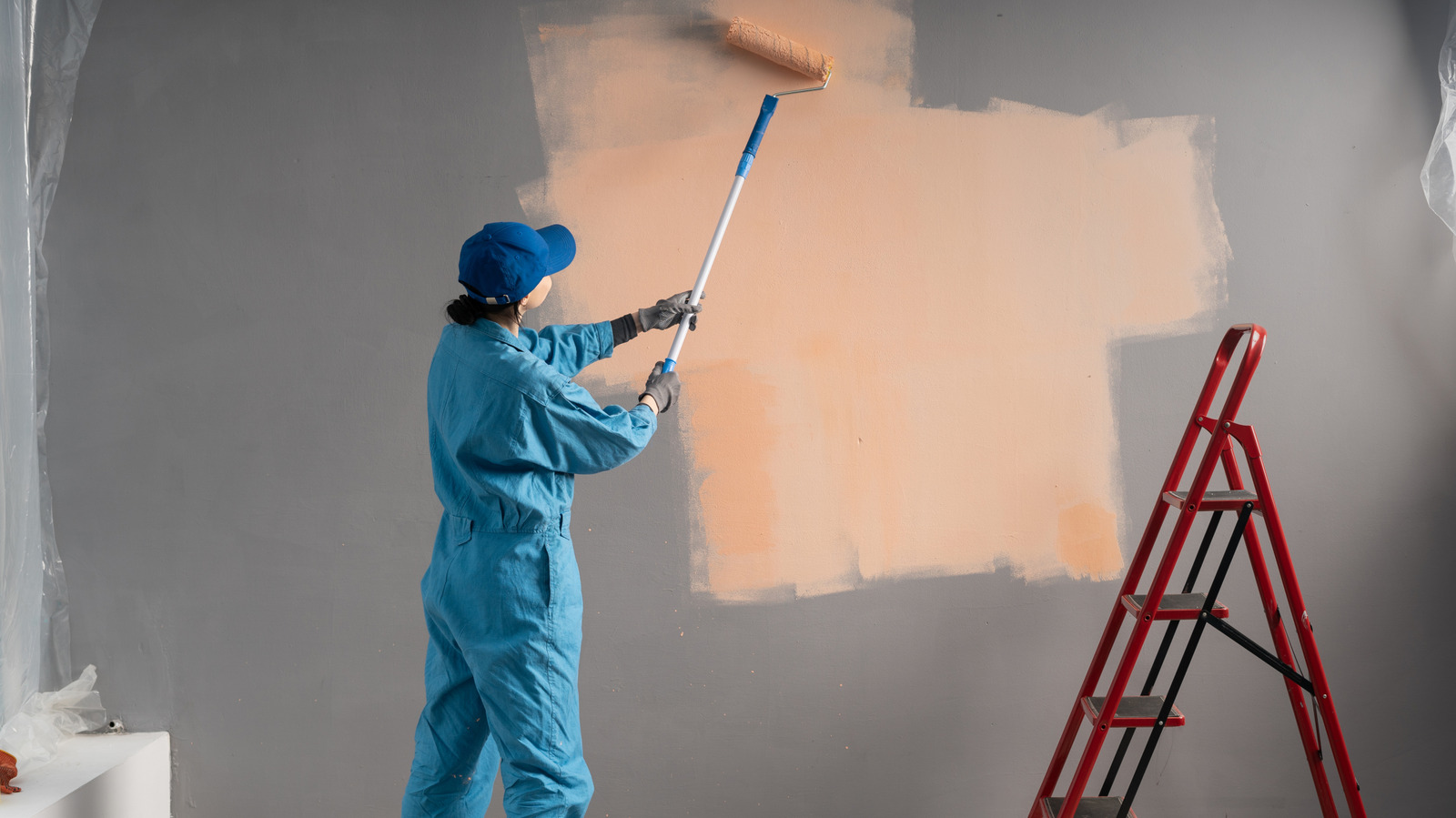
If you love hands-on projects, ventilation is the unsung hero that keeps your home safe and your lungs intact. This piece explains why airflow matters, which DIY tasks are riskiest, simple ways to ventilate like a pro, and how to match protective gear to the job. Read on for practical, no-nonsense advice that helps you finish the job without paying for it later in health or cleanup time.
Bad ventilation turns ordinary projects into hazards fast because dust, fumes, and chemical vapors all behave the same way: they linger. Painting, staining, soldering, and demolition release particles and gases that can irritate eyes, skin, and lungs almost immediately or show up later as chronic problems. Knowing what your project will put into the air is the first step to controlling it.
Some DIY tasks are obvious offenders: oil-based paint, polyurethane, solvent cleaners, and spray adhesives all produce strong fumes. But quieter risks exist too, like cutting MDF, which releases formaldehyde and fine dust, or sanding lead paint in older homes. Treat every dusty, smoky, or fragrant job as one that needs airflow and filtration, not just a quick window crack.
Simple signs tell you ventilation is poor: smells that remain for hours, visible dust settling on furniture, or a room that feels stuffy even after a break. If you or anyone nearby gets a headache, dizziness, or throat irritation while working, stop and improve airflow immediately. Those are not minor nuisances; they are warnings that exposure is climbing.
Use basic physics to your advantage by creating cross-ventilation: open windows on opposite sides of the room and aim for a path that carries contaminants outside. Position a box fan facing out in one window and another drawing fresh air in on the opposite side if possible; that creates a steady exchange without fancy equipment. For small enclosed spaces, a portable exhaust fan or window fan is a cheap, effective upgrade that sends fumes straight out instead of letting them mix through the house.
Local exhaust is better than general ventilation when you can do it, so work near a window or use a shop vacuum with a HEPA filter attached to sanders or grinders. Capture dust at the source whenever practical; that protects the room and reduces cleanup time. For spray work, consider a small portable paint booth or even a taped-off area with an exhaust fan to keep overspray from drifting through the house.
PPE still matters even with good airflow: a properly fitted respirator with the right cartridges beats a dust mask for many jobs. For dust, choose a P100 cartridge or HEPA-rated mask; for organic vapors from paints and solvents, use an organic vapor cartridge. Safety glasses and gloves are the finishing touches that keep airborne particulates from becoming surface contamination and accidental skin exposure.
Air purifiers with true HEPA filters help in occupied spaces where total exhaust isn’t practical, but they do not replace source ventilation. Purifiers will trap particles that remain in the room but won’t remove most gases or heavy fumes effectively. Use them as a secondary layer along with good exhaust to deal with lingering dust and small particles.
Plan ventilation before you start: pick the room with the easiest path to the outdoors, remove valuables and cover surfaces, and place fans or purifiers strategically. Factor cleanup into that plan so you avoid spreading dust while sweeping; wet wiping and HEPA vacuums are the right move. A little prep up front saves time, money, and health headaches later.
Large projects like remodeling or stripping a whole room call for a step up in protection, including temporary exhaust ducting and posting warnings for household members. If the job will release asbestos, lead, or other regulated materials, stop and consult a professional before proceeding. For everything else, prioritize airflow, use the right respirator, and treat ventilation as part of the toolset, not an afterthought.
