
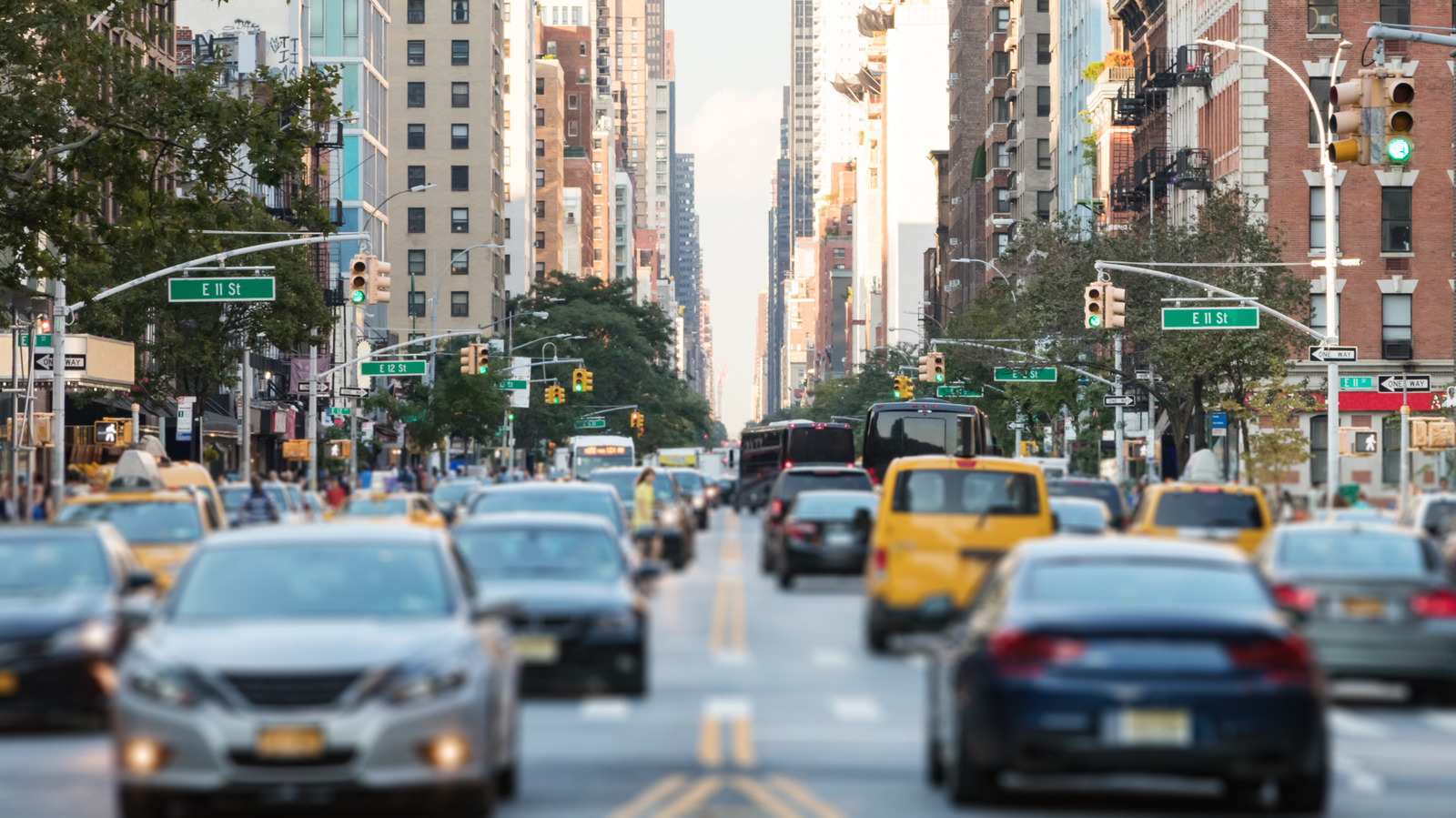
Manual transmissions reward drivers with engagement and control while also creating practical challenges in dense urban traffic; this piece lays out clear, practical ways to manage clutch work, gear choice, stop-and-go situations, and maintenance so you can enjoy the connection without constant frustration.
Driving a car with a manual gearbox in the city is a mix of satisfaction and small annoyances, and it helps to accept both. The engagement you get from rowing your own gears is real, but so is the chore of constant clutching at lights and crawling through traffic. With a few adjustments to technique and habit, city driving can feel far less taxing.
Clutch control is the foundation for comfortable urban manual driving, so spend time getting smooth with the bite point. Practice finding that exact spot where the car begins to pull and use it for gentle starts; this will cut out jerks and reduce stalling. Learning to modulate pressure rather than riding the clutch will also extend component life and keep you calm in long queues.
When you stop in traffic, use neutral and release the clutch to avoid holding it at the bite for extended periods. If you are on a hill, the handbrake method is a lifesaver: engage the handbrake, find the bite, then release the brake and let the car roll forward without slipping the clutch. Avoid resting your foot on the pedal while stopped because that tiny habit wastes clutch material and creates heat over time.
Anticipation beats aggression; anticipate traffic flow so you can short-shift and avoid unnecessary downshifts. Keeping the engine in a usable rpm band rather than hunting revs keeps the car responsive between lights and through roundabouts. In stop-and-go conditions, favor higher gears at low speeds to reduce clutch wear, and drop to a lower gear only when you need the kick for acceleration.
Downshifting smoothly is as much finesse as timing, so make rev matching part of your routine even in the city. A little blip of throttle on downshifts reduces drivetrain shock and lets you slot into the next gear cleanly. If you drive a car without rev matching electronics, practicing a light blip during deceleration will pay off in comfort and drivetrain longevity.
Maintenance awareness saves headaches and money, so keep an eye on clutch feel and pedal travel rather than waiting for a dramatic failure. Hydraulic systems tend to be more consistent than cable setups, so watch for leaks or spongy pedals and address them early. Regular inspections, sensible driving habits, and replacing worn parts before they fail will keep a manual car predictable in urban use.
Ergonomics matter more than most drivers admit, so tweak seating and pedal reach to reduce fatigue. A comfortable, upright position that gives you easy access to the clutch bite point makes traffic less draining and helps you react quicker when lane opportunities or hazards appear. Small changes like adjusting the dead pedal and steering wheel position can turn a chore into a pleasant ritual.
There are also practical decisions that make city life easier, like choosing different routes, shifting less aggressively, or simply parking and walking when congestion is dense. If you find city commutes consistently stressful, consider whether a second car or occasional use of an automatic makes sense for your life. Manuals remain fun and efficient, but they are not the only way to enjoy driving, so use the strengths of a stick shift where they matter most and cut loose when they do not.
