
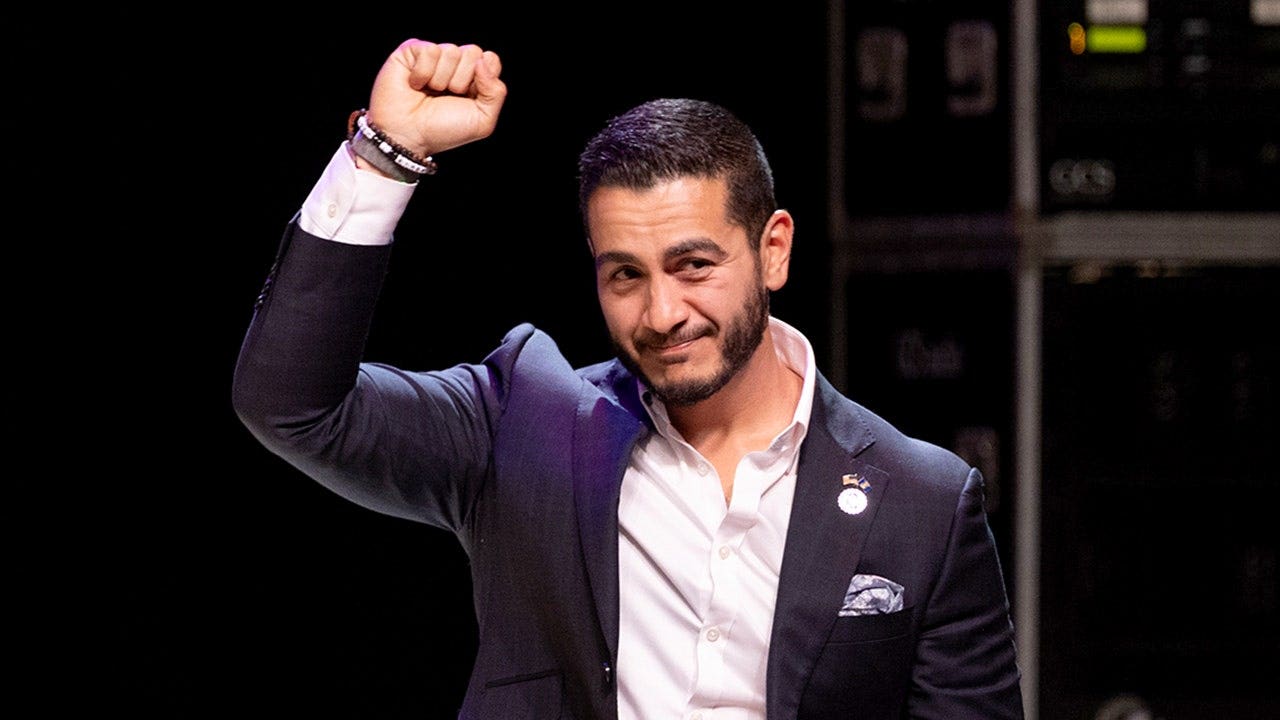
Abdul El-Sayed’s Michigan Senate run is running into a serious problem with Black voters, and that weakness could shape the race in a big way. Polling, campaign choices, and old tensions between key communities all point to a candidate still hunting for a message that sticks.
Abdul El-Sayed’s path to the U.S. Senate is getting bumpy in Michigan, and the roughest patch may be with Black voters. That matters because Black voters are a major part of the state’s electorate, especially in a race where every slice of the coalition counts.
Recent polling suggests the problem is not small. In one survey, El-Sayed was drawing noticeably less support from likely Black voters than he was just a month earlier, and that kind of slide is the sort of thing campaigns hate to see this late in the game.
The comparison with recent Democratic performance makes the issue even clearer. Vice President Kamala Harris won overwhelming support from Black voters in Michigan two years ago, while El-Sayed is lagging well behind that benchmark, leaving him exposed in a demographic Democrats usually count on to show up and hold the line.
That weakness has helped explain why El-Sayed has been working overtime to repair the damage. He has pointed to mistrust between Black and Arab communities in Metro Detroit and has spoken openly about the frustrations that have built up over time, especially around business relationships and investment in local neighborhoods.
Those remarks have added honesty to the conversation, but they have not magically solved the political problem. Once a candidate starts explaining away trouble with one of the party’s core blocs, the campaign has already entered defensive mode, and that is usually a bad place to be.
El-Sayed also brought in Harris for a campaign appearance aimed squarely at Black women, a move that seemed designed to send a signal that he still understands where the Democratic base lives. Instead, the event drew attention for its awkward tone and for rhetoric that sounded far removed from the kind of plainspoken message voters tend to reward.
That kind of staging can backfire fast. When a campaign starts leaning on broad buzzwords and identity-heavy appeals, it can feel less like persuasion and more like a plea for help, especially if the candidate already looks shaky with the voters being courted.
The reparations issue adds another layer of trouble. El-Sayed has said he is open to the idea and has talked about the need to address the long-term debt owed to Black communities, which puts him squarely in line with the more aggressive left-wing posture on the subject.
That position may play well with some activists, but it can also create political drag. Support for reparations is much stronger among Black Americans than among White voters, so pushing the issue too hard risks widening the gap with moderates and independents who are already uneasy about his politics.
Then there is the broader image problem. El-Sayed has been tied to figures and positions that make it harder for him to look like a safe pick for voters who want less drama and more stability, and that is a tough sell in a swing state with a very practical streak.
Republicans are not wasting the opening. Mike Rogers and GOP-aligned groups have been active across the state, including in places where Democrats usually expect to dominate, and they are clearly betting that El-Sayed’s coalition is softer than it looks on paper.
At the same time, Democrats cannot ignore that Jewish voters have also become a concern for El-Sayed. When a candidate starts bleeding support in more than one traditional Democratic camp, the whole operation gets harder, faster, and far more expensive.
The real question now is whether El-Sayed can stop the slide before it becomes fatal. Campaigns can survive one weak spot, but when the problem reaches the base, the swing voters, and the overall tone all at once, the clock starts ticking very loudly.
