
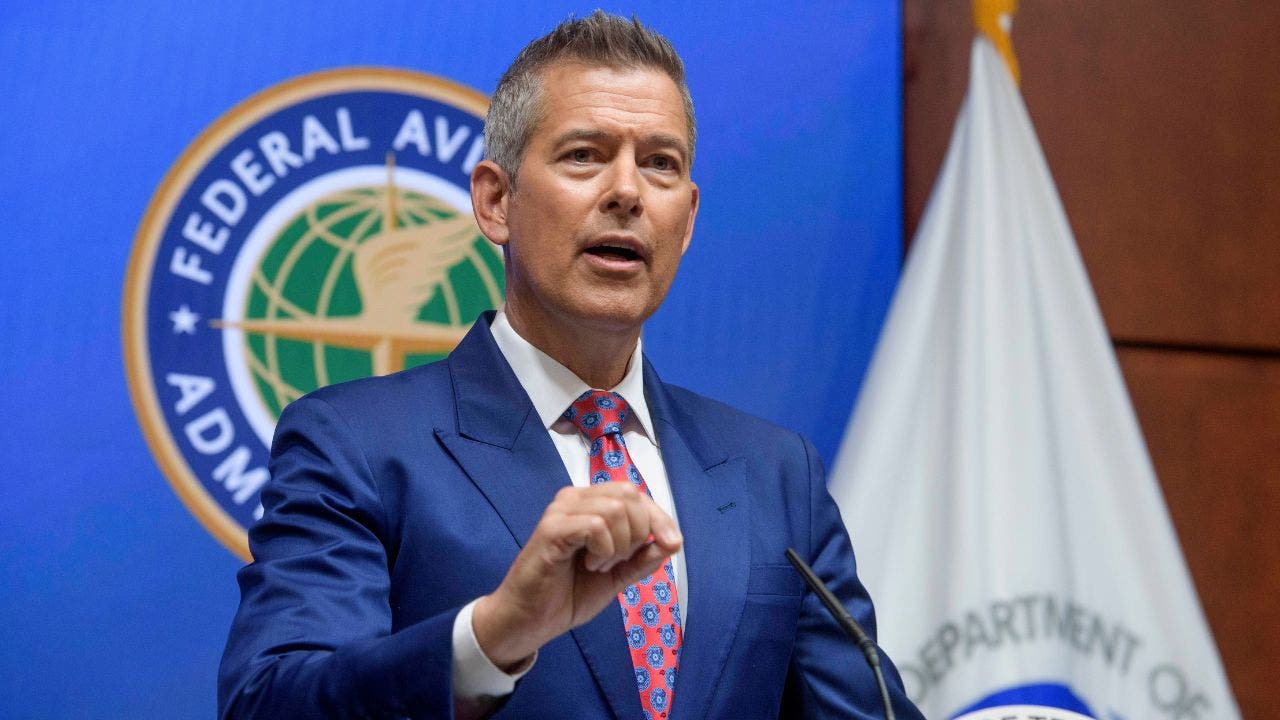
Sean Duffy is hinting at a big Monday reveal tied to a tougher fraud crackdown, and the message is aimed squarely at federal agencies already digging into bad actors. The Transportation secretary’s post set off fresh attention around a growing effort to clean up weak oversight, false certifications, and abuse that can ripple far beyond paperwork.
Duffy posted on X that an “unprecedented fraud crackdown” would be announced the next day, and the wording was deliberately sharp. He also tagged several key players, including Homeland Security, Immigration and Customs Enforcement, the Justice Department, and the White House task force focused on fraud, signaling that this is not being framed as a one-agency operation.
That matters because the administration has been leaning harder into fraud enforcement across a range of fronts. The push has already stretched into benefit programs, taxpayer money, and areas where bad documentation can quietly create serious public safety risks. In this case, trucking has become one of the most visible pressure points.
The spotlight on commercial driving has grown after federal officials started looking closely at truck driver schools and licensing practices. Investigators have been examining whether some schools falsified records or handed out certifications that never should have been issued, especially when it comes to commercial licenses for non-citizens.
Those concerns are not abstract. The enforcement drive has been shaped in part by deadly truck crashes that raised alarm over who was getting behind the wheel and how they were cleared to drive. When the licensing chain breaks down, the result can hit highways, families, and local communities in a hurry.
Federal agencies have already moved on this turf. The Transportation Department and Homeland Security launched a joint investigation in July into roughly 75 commercial driving schools suspected of fraud, with allegations ranging from fake training records to improper driver certifications.
Roadside checks have also been part of the crackdown, especially against commercial drivers who were not properly qualified. Those operations have put extra pressure on the system and made clear that the issue is not just about bad paperwork, but about who is allowed to operate massive vehicles on American roads.
Duffy has not said what Monday’s announcement will cover, and that silence has only added to the intrigue. It is still unclear whether the reveal will involve new arrests, a broader enforcement surge, or a fresh set of rules aimed at keeping the fraud machine from spinning in the first place.
The Justice Department has also been building out its own response. A National Fraud Enforcement Division was created to go after theft and fraudulent misuse of taxpayer dollars, giving prosecutors a more direct lane for chasing down cases that involve public money or organized deception.
The White House has taken the same hard line, creating a task force to eliminate fraud and coordinate efforts across federal benefit programs. That kind of coordination is where this fight gets real, because fraud often slips through the cracks when agencies work in silos and nobody is watching the full picture.
What stands out here is the mix of enforcement and optics. Duffy’s message was short, but the list of agencies he tagged made the point loud and clear: the administration wants fraud treated like a national security and public safety problem, not just a routine audit issue.
At the same time, the trucking angle gives the whole effort a sharp edge. Fraud in licensing and training can turn into dangerous roads fast, and once that happens, the fallout is measured in crashes, detentions, and public mistrust that does not fade quickly.
The broader crackdown is already reaching into health care, government benefits, trade, and immigration programs, where officials say fraud has been draining resources and weakening enforcement. Now the pressure is moving into a space where Americans can see the consequences in real time, on highways, in inspection lanes, and in the records that decide who gets to drive.
