
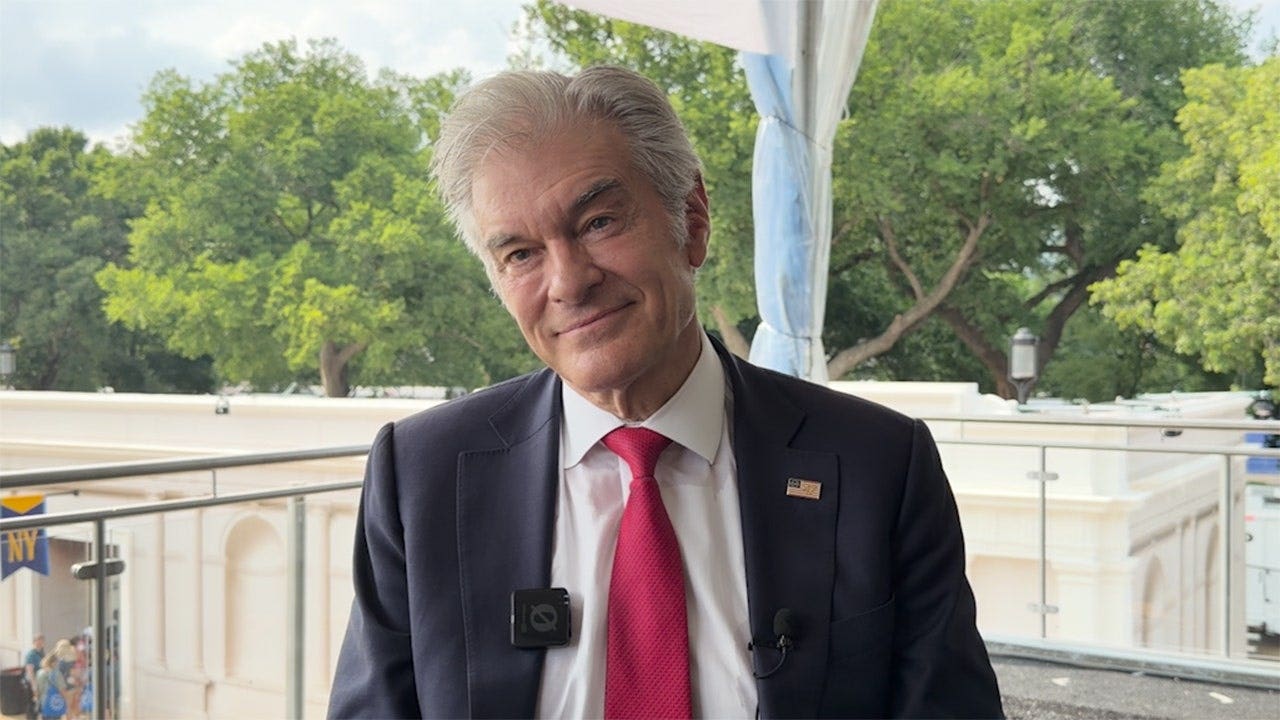
The big idea here is simple: if Americans stay healthier longer, they can spend less on care, stay active, and keep contributing to the economy. Dr. Mehmet Oz says the smartest move is not just treating sickness better, but preventing bad care, using smarter tools, and making routine checkups part of normal life. He also argues that better health habits could translate into real national gains, both in dollars and in day-to-day quality of life.
Oz’s message is rooted in a blunt observation about the current system. The most expensive part of healthcare, he says, is often the low-quality care that starts a chain reaction of extra bills, extra procedures, and extra headaches. When care is rushed or poorly done, somebody still has to clean up the mess, and that ends up costing everyone more.
That’s why he keeps coming back to the same word: quality. In his view, the point of the health system should be to help people stay well, not just react after they’ve already fallen apart. That means putting more attention on prevention, smarter decisions, and healthier choices at home, including better food and daily habits that support long-term wellness.
Oz also wants care to be more value-driven, which means paying for outcomes instead of just activity. He says the system works better when doctors are rewarded for taking care of people in meaningful ways, rather than simply doing things to them. It’s a shift in mindset, but it has a big payoff if it keeps patients healthier and avoids expensive complications later.
Technology is another piece of the puzzle, and Oz sees real promise there. He says new tools can help health providers meet people where they are, instead of forcing everyone into the same mold. Used the right way, AI and other innovations could make it easier to catch problems sooner and support better decisions without adding friction for patients.
He is especially optimistic about better medications and better screening. Those advances can find trouble earlier, treat it more effectively, and lower the odds that a manageable issue turns into a financial disaster. Oz says that if people also start thinking differently about their own role in staying healthy, the whole country stands to benefit.
One example he points to is the annual wellness exam available to Medicare patients. Even though it’s free, Oz says fewer than half of beneficiaries take advantage of it, which leaves a lot of warning signs on the table. People often assume they’re fine until a hidden issue shows up later, and by then the fix is usually harder, more expensive, and more stressful.
That kind of delay is exactly what he wants to avoid. Oz says some people fool themselves into believing that feeling okay means everything is okay, but that approach doesn’t work well in healthcare. Problems like high blood pressure, diabetes, and other slow-building conditions can stay quiet for a long time before they cause real damage.
He also ties personal health to something bigger than individual convenience. If more Americans feel stronger, more energetic, and more capable as they age, they may choose to stay in the workforce a little longer. Oz believes that one extra year of productive work from a healthier population could ripple outward in a huge way for the country.
That is where his $1 trillion estimate comes in. He says the nation could gain massive value if people are healthy enough to keep working, paying taxes, and supporting the systems that depend on a strong economy. It is a bold number, but his point is clear: better health does not just help patients, it helps the entire engine keep moving.
At the same time, Oz says many older Americans still want to work, but physical wear and tear can start making them feel like they are slipping out of the game. He wants to push back against that slow slide by making health feel more manageable, more practical, and more worth protecting. The bigger goal is a country where people stay in the fight longer, with more energy in the tank and more options on the table.

1 Comment
Use Medicare Fraud & Waste & abuse to Fund SS & Medicare