
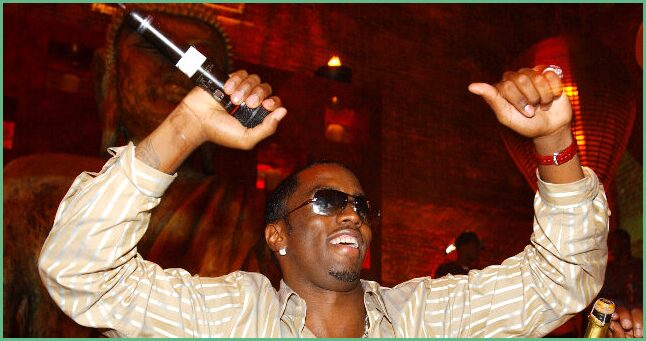
Diddy’s Fall: The End of an Era of Excess
Sean “Diddy” Combs’ life of luxury atop the hip-hop world has now vanished with his criminal conviction.
For decades he defined a certain idea of success: lavish parties, designer labels, and headline-making deals that turned music success into empire building. He was as much a business brand as a musician, and that blurred line between celebrity and corporate power made his case compelling and complicated. Now the public conversation has to account for both his contributions and the legal consequences he faces.
What happens next is not just legal paperwork and headlines; it touches culture, finance, and the way the industry protects its biggest stars. Brands move fast when risk appears, and sponsorships that once flowed freely can evaporate overnight. Investors, partners, and fans all recalibrate when reputation is punctured by a conviction.
Musically, Diddy’s fingerprints are hard to erase: he helped launch careers, produced hits, and shaped the sound of mainstream hip-hop for a generation. That legacy will be scrutinized, trimmed, or defended depending on who’s speaking. Context matters, but conviction changes the frame for everyone who benefited from or admired his success.
Consequences: Money, Influence, and Memory
Financial fallout is immediate and relentless; legal fees, potential fines, and lost income from touring and endorsements hit first. Luxury is expensive, and empire upkeep demands cash flow—when that flow slows, assets get revalued and deals get paused or killed. Even properties and companies can become liabilities instead of trophies.
Corporate partners and collaborators also face a choice: cut ties to protect their image or stick by him for the long haul. Companies with consumer-facing brands tend to step away quickly because public sentiment translates to sales fast. Others, particularly private investors or smaller creative partners, might quietly weather the storm if the long-term return still looks plausible.
Culturally, the conviction forces a reexamination of how the music industry treats power and accountability. Artists with influence are often insulated, but high-profile convictions crack open that veneer. Conversations about responsibility, enabling behavior, and the role of gatekeepers in entertainment will intensify as people seek to reconcile talent with conduct.
There is also the personal toll, which is rarely visible in headlines about money and sentences. Relationships fray, trust gets tested, and allies reassess loyalties. For someone who built an identity around being untouchable, facing clear legal consequences is a stark removal of that illusion.
Public reaction will be diverse and loud: critics will call for systemic change, defenders will point to past benevolence and artistic achievement, and many fans will feel torn between loyalty and reckoning. Social media will amplify every angle, turning private grief or defiance into perpetual public theater. That noise matters because it shapes how institutions respond.
Legal strategy now becomes the main script for his next chapter, with appeals, plea negotiations, or sentencing guidelines taking center stage. Law is procedural, but outcomes are human; even a reduced sentence or a successful appeal won’t erase the stain of a conviction. Courts can adjust punishments, but public memory is less forgiving and often slower to change.
One consequence that rarely gets enough attention is how a conviction impacts philanthropy and community work tied to a celebrity. Foundations and charitable projects can lose funding or credibility when their figurehead is compromised. That fallout can hurt people who had nothing to do with the actions that led to the conviction.
Industry insiders will watch contracts and business structures closely now, looking for clauses that protect them from future shocks. Insurance, indemnity provisions, and contract language are suddenly more than dry legalese; they become essential shields. Expect tighter controls and more explicit morality clauses in deals involving high-profile figures.
Meanwhile, the media narrative will try to balance the man’s achievements with the legal reality, but balance is hard when stories sell on outrage and redemption alike. Some outlets will emphasize the fall from grace, others the artistic catalogue, and both instincts will coexist in public discourse. The result is never neat and often full of contradictions.
The long-term question is whether a conviction permanently alters a person’s place in cultural history or if time and reinvention can rehabilitate their image. History shows both outcomes are possible: some figures recover with a new narrative, others remain defined by their worst moments. Which path unfolds depends on many things—legal results, personal choices, and the public’s capacity to separate art from the artist.
At the end of the day, this is about accountability as much as it is about celebrity spectacle. People who rose to vast power and influence are being reminded that fame does not equal immunity. That realization will shape not just one career, but how an entire industry handles fame, fortune, and responsibility moving forward.
