
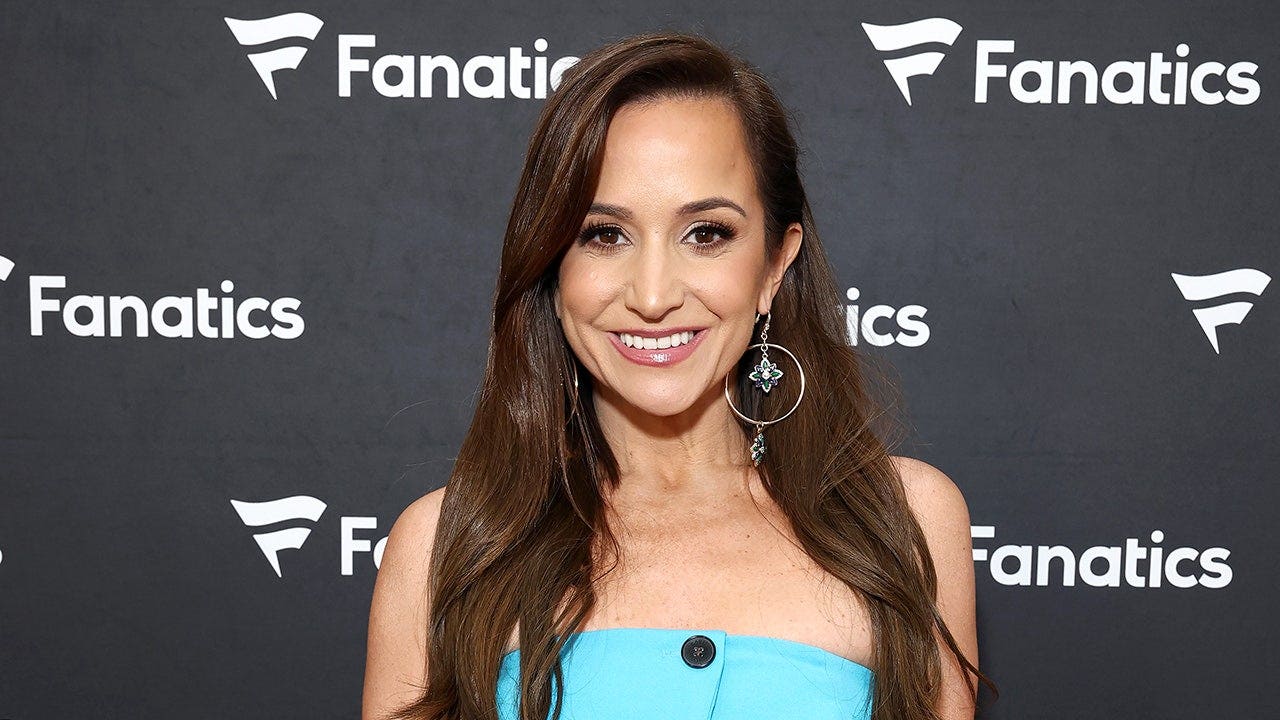
Dianna Russini stepped down from her role at The Athletic after mounting criticism tied to her relationship with New England Patriots head coach Mike Vrabel, which drew fresh attention when the two were photographed together at an exclusive resort in Arizona. The resignation came amid questions about professional boundaries and public perception, and it has quickly become a focal point for conversations about journalistic standards in sports coverage. This report outlines the known facts of the situation and the issues it raises for reporters, teams, and readers.
Russini had built a reputation as an NFL reporter, covering games, personnel moves, and the everyday beats that shape league narratives. Her work placed her in regular proximity to coaches, players, and front office figures, which is part of the job for beat reporters who depend on access to do their work. That proximity also creates a constant tension between cultivating sources and maintaining the appearance of impartiality.
Mike Vrabel, as head coach of the New England Patriots, is a public figure whose decisions and demeanor are routinely scrutinized by beat writers and the broader media. The pair being photographed together at a high-end Arizona resort magnified attention because the image suggested a personal connection outside of work that many readers found notable. Public images like that tend to prompt swift reactions, especially when they involve a reporter and someone she covers closely.
Conflict of interest concerns are at the heart of how newsroom ethics get tested in moments like this. News organizations often have written and unwritten rules about relationships with subjects, and even absent explicit violations those rules are meant to protect perceived impartiality. When a reporter covers a subject with whom they have a personal relationship, readers and colleagues can reasonably wonder whether reporting is influenced, and that question is damaging even if coverage remains fair.
Criticism in this case gathered quickly on social platforms and among sports media peers, driven in part by the stark visual of the resort photo and the timing around NFL reporting cycles. Outlets and audiences tend to react strongly to anything that looks like a blurred line between professional responsibilities and private life, and in a digital age images spread fast and shape narratives before fuller context can emerge. That dynamic can accelerate personnel decisions as organizations weigh reputational risk and editorial integrity.
Russini’s resignation removes an immediate flashpoint for The Athletic but leaves unsettled questions for the industry about boundaries and enforcement. Media employers must balance fair treatment of staff with the need to preserve trust with readers, and high-profile incidents force those calculations into the open. It is not uncommon for outlets to revisit internal policies or issue guidance after a situation generates sustained attention.
The Arizona resort photo played a catalytic role in how this episode unfolded, turning a private moment into a public controversy and prompting debate over what is personal and what is professional. For reporters who cover high-profile beats, the line between access and independence is narrow, and moments like this underscore how easily perception can shift. Observers will be watching whether newsrooms change practices or whether the conversation settles into familiar patterns of criticism and defense.
As the story continues to attract notice, it raises broader questions about privacy, media ethics, and the expectations placed on journalists who cover powerful figures. The immediate consequence was a resignation that alters the staffing landscape at one outlet, but the ripples may influence newsroom guidance and the daily calculus reporters make about cultivating sources. Whatever follows, the episode has already highlighted how much weight a single photograph can carry in shaping careers and public trust.
