
Democrats are getting squeezed from both sides, with party leaders trying to keep peace with a loud activist wing while voters keep moving the other way. That tension is especially sharp on transgender policy, where sports, bathrooms, and school rules have become political tripwires that keep resurfacing in campaigns, debates, and public polling.
The central problem is simple: the far left has pushed the party into positions that feel detached from where most Americans actually are. That includes open resistance to bans on biological males competing in women’s sports, a stance that has become a defining test of loyalty inside Democratic politics.
That pressure is showing up in real races, not just think tank chatter. In Florida, Byron Donalds has used the issue to hammer Democrat David Jolly, while in Massachusetts, Rep. Seth Moulton found himself backing away from earlier remarks after facing backlash in his own party.
Moulton once said, “I have two little girls, I don’t want them getting run over on a playing field by a male or formerly male athlete.”
By the time his 2026 debate rolled around, that kind of blunt language was gone. He was apologizing, softening his words, and trying to keep the left from turning on him while still pretending there was room for an honest internal debate.
That’s the trap for Democrats. Say what voters in the middle already think, and risk angering activists who dominate primaries. Say what activists want, and hand Republicans an issue that polls like a nightmare for the other side.
The numbers are hard to dodge. Gallup found that about 69% of Americans believe transgender athletes should compete on teams that match their sex at birth, including a strong share of independents and even a plurality of Democrats.
Support inside the Democratic coalition is slipping too. The share of Democrats backing transgender athletes on teams matching current gender identity has dropped sharply since 2021, landing below majority support at 45%, which is a bad place to be when party leaders keep acting like the issue is settled.
Bathroom policy tells a similar story. Pew has found broad public support for requiring transgender people to use public restrooms that match their sex at birth, not their transitioned identity, yet Democratic leaders still hesitate to align with that position in any serious way.
The political cost became even clearer after 2024. Democrats spent months insisting the issue was a distraction, but post-election autopsies and campaign analysis suggested it was anything but, especially once Republicans started framing it as a basic fairness issue.
Donald Trump’s “Kamala is for they/them, President Trump is for you” message hit hard because it was sharp, memorable, and easy to understand. It also showed how quickly Democrats can lose ground when they sound more interested in protecting activists than protecting common sense.
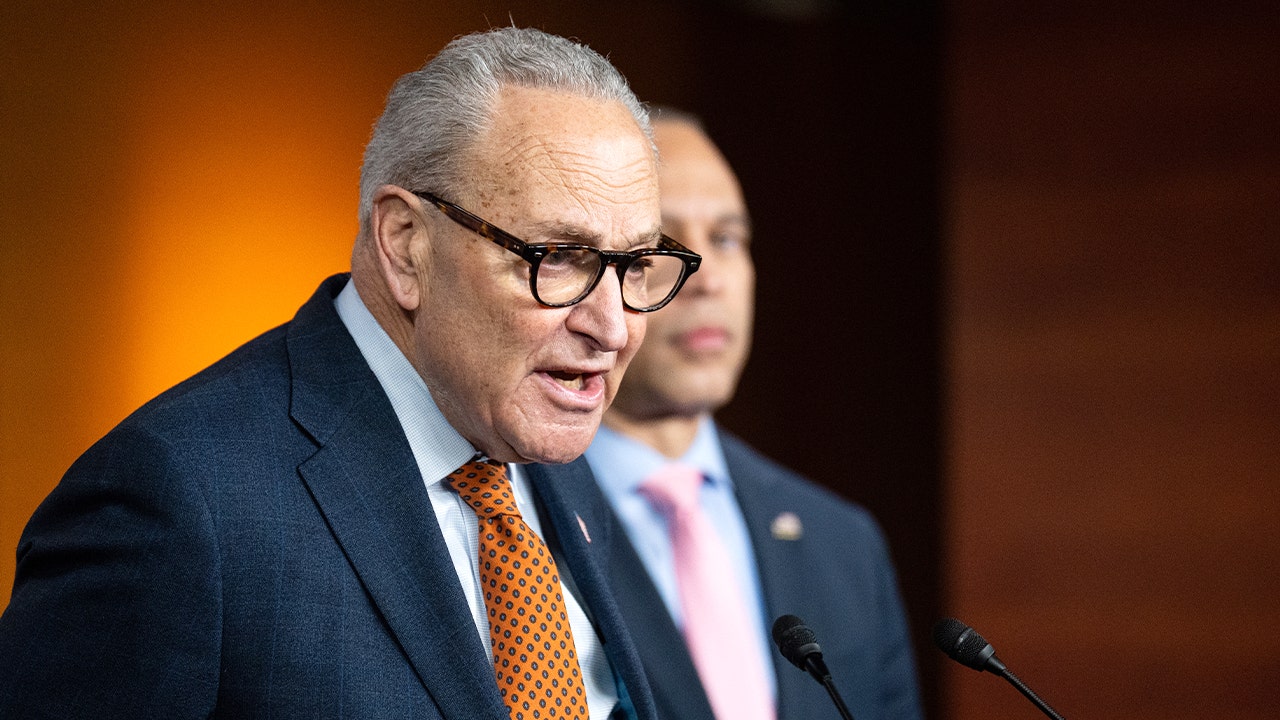
The same split runs right through the Democratic leadership. Chuck Schumer has taken the most aggressive anti-ban line, while Hakeem Jeffries has tried to sound calmer without ever backing the kind of legislation many voters support.
That posture leaves the party stuck in a fog of half-answers. Leaders talk about fairness, inclusion, and process, but they rarely give a direct answer that lines up with public opinion on women’s sports or school policy.
In Maine, Gov. Janet Mills has clashed with the Trump administration over rules tied to transgender participation in school sports, which only keeps the issue in the headlines. Every time the subject comes back, Democrats are reminded that the activist position is not the popular one.
The deeper problem is that the party keeps treating a losing issue like a moral litmus test. That is great for activist fundraising and primary bragging rights, but it is rough medicine in a general election where independents decide the outcome.
For Democrats, the choice keeps getting narrower. Keep appeasing the far left and hope the public looks away, or break with the activists and risk a revolt from the people who shout the loudest inside the party.
