
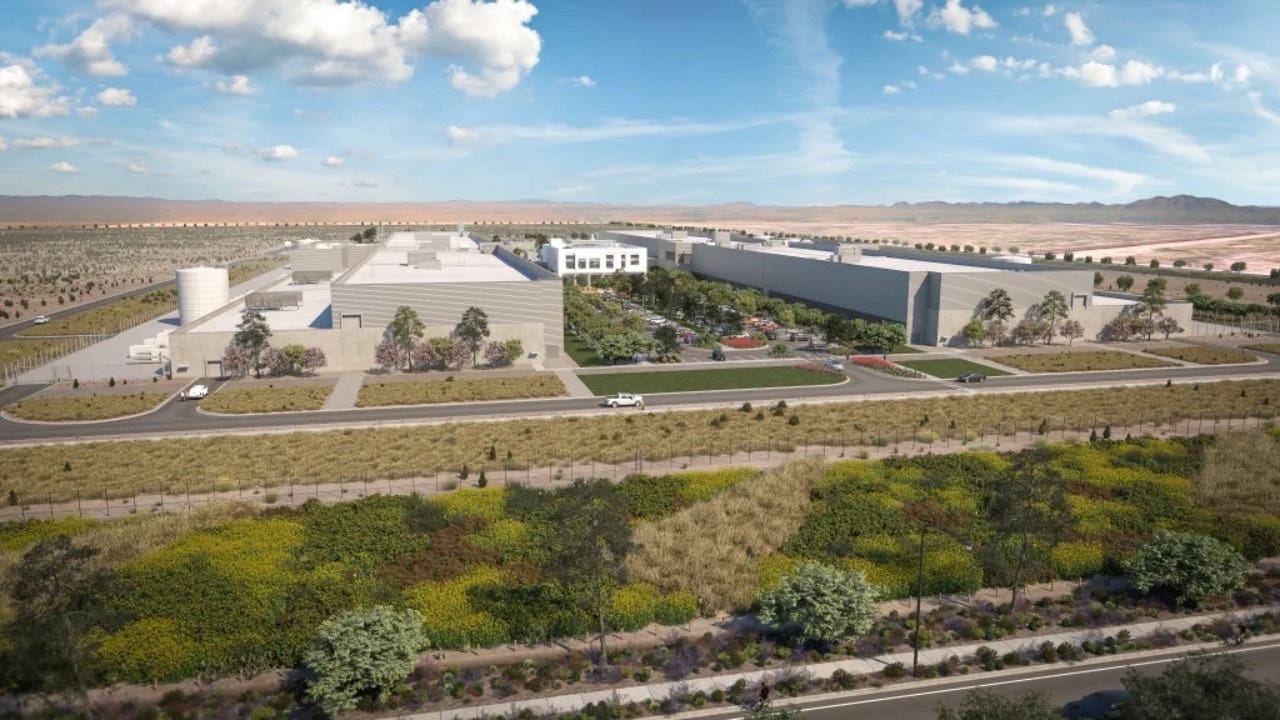
- Data centers as a growing political and community issue
- Consumer concerns about power, water, noise, and cost
- State-level pushback and permitting changes
- The role of climate activists and outside influence in the debate
- Community benefits from data centers when handled well
- The need for clearer answers and stronger public trust
Data centers have jumped from a quiet tech backdrop to a full-on public fight, and the reason is simple: people want the basics answered before the bulldozers roll in. Families are watching electric bills, water use, and neighborhood impacts with a sharper eye than the industry seems to have expected. That blind spot has turned a growth story into a credibility test.
These facilities did not appear out of nowhere with artificial intelligence. They have long supported the digital world behind the scenes, powering cloud storage, streaming, online shopping, banking, healthcare systems, and all the other services people depend on without thinking twice.
What changed is the scale. AI has driven demand for much bigger projects, heavier energy use, more water needs, and more land, often in places where residents are left trying to figure out what is being built next door. Too many companies have sold the idea with buzzwords and little else, which is a great way to lose the room fast.
That is the heart of the backlash. Most people are not against technology, and they are not automatically hostile to progress, but they do want straight answers before they accept major changes in their community. If a project may raise costs, strain utilities, or create noise, pretending those concerns do not matter only makes the resistance tougher.
The political response has been real, and it is growing. Texas Gov. Greg Abbott paused new projects while the state reviews the grid, Georgia moved to keep data center costs from landing on households and small businesses, and Pennsylvania Gov. Josh Shapiro pulled the projects out of fast-track treatment.
That kind of pushback is not complicated. If a project is going to take a big bite out of power and water resources, the public expects a clear explanation of who benefits and who pays. Without that, the debate gets framed by anger, suspicion, and a lot of noise from people who are happy to fill the vacuum.
And that vacuum has been a gift to activist groups that know how to stir up trouble. Once the industry failed to address consumer concerns early, opponents moved in fast and began shaping the narrative around fear rather than facts. Reports and congressional scrutiny have also pointed to foreign-linked networks and Chinese state media playing a role in pushing the anti-development message.
Still, the story is not all bad news for the industry. Modern data centers are not stuck in an old model, and many are adopting closed-loop cooling systems, quieter designs, and power strategies that reduce pressure on local grids. Those changes matter because they show the industry can adapt when it stops acting like the public should just nod along.
The biggest mistake was treating consumers like an afterthought instead of the main audience. People do not need a tech seminar, they need to know whether a project helps their town, whether it protects their utilities, and whether it brings real value in return. If those answers are strong, the mood changes fast.
There are already examples of what that looks like when the numbers line up. Loudoun County has seen massive revenue gains, Quincy has used data center money for hospitals, public safety, and schools, and Ellendale has watched sales tax revenue surge in a way that would grab any mayor’s attention.
That is why the fight is not really about servers and concrete alone. It is about trust, and trust is earned when companies talk plainly, accept limits, and show how a project improves a place instead of just extracting from it. Communities can live with a lot when they feel respected, but they turn hard when they feel sold.
The industry still has time to get this right, but it will have to stop hiding behind hype and start speaking the language of ordinary people. Consumers already proved they can reshape the conversation when something feels off, and they are doing it again here. The companies that understand that shift will find room to grow, while the ones that ignore it may keep running into a wall.
