
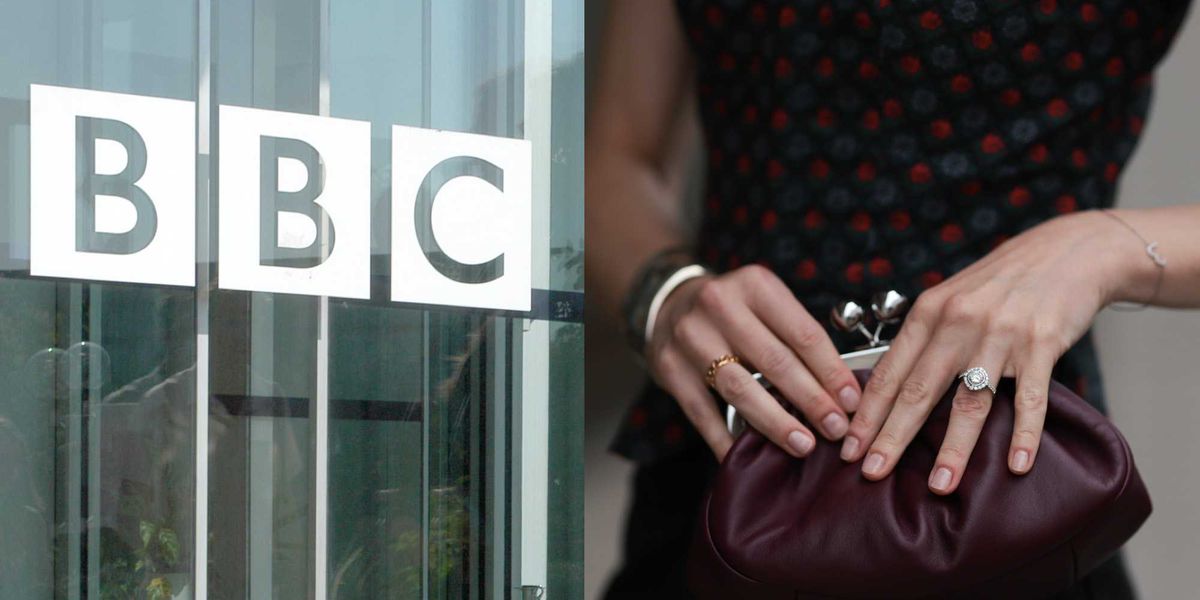
Talk about a story that managed to turn a simple beauty trend into a cultural firestorm. What should have been a harmless style piece instead became a lightning rod, with critics blasting the BBC for stretching the meaning of race, power, and identity far beyond reason.
The controversy centered on a new fingernail trend and the claim that it represented white supremacist “erasure.” That kind of framing set off immediate backlash, because it took something ordinary and tried to stuff it into a political narrative that many readers saw as forced, absurd, and detached from common sense.
At the heart of the reaction was a familiar frustration with how major institutions talk to the public. When a news outlet leans so hard into ideological language that even a fashion trend gets recast as a social menace, people notice. The pushback was not just about one article, but about a growing sense that elite media too often sees bias everywhere except in its own worldview.
The specific complaint was that the BBC’s treatment of the trend went beyond interpretation and landed in accusation. Calling a nail style a form of white supremacist “erasure” sounded to many like a spectacular overreach, the kind of phrase that may play well in activist circles but falls flat with ordinary readers trying to make sense of the real world.
That disconnect matters because language shapes trust. Once a publication starts using loaded terms for everyday behavior, readers begin to wonder whether reporting is still reporting or just another venue for moral signaling. The backlash was sharp because the argument seemed to suggest that even personal grooming can be reframed as political extremism if the lens is ideological enough.
There is also a bigger cultural pattern behind this episode. Public debate has become so saturated with identity politics that people are increasingly expected to filter harmless trends through a racial or political codebook. A manicure, a haircut, a color choice, a style statement, all of it can suddenly be dragged into a much louder argument that nobody asked for.
That is part of why the reaction was so intense. Many viewers and readers are tired of being told that every trend has secret meaning, hidden oppression, or some deep social message buried underneath it. Sometimes a nail trend is just a nail trend, and pretending otherwise makes the commentary sound less enlightened and more desperate.
The broader media problem is not just the wording, but the instinct behind it. A healthy press should describe trends clearly, explain context, and let people draw reasonable conclusions. When it jumps straight to ideological labels, it risks turning journalism into performance art, and audiences can spot the difference faster than editors expect.
That does not mean beauty trends are never connected to culture, marketing, or shifting standards. They absolutely are. But there is a wide gap between noticing influence and declaring that a style choice somehow echoes white supremacy, and that gap is exactly where this story lost a lot of people.
What made the backlash especially potent was how unnecessary the controversy felt. A headline or analysis can easily explore how trends spread, who influences them, and why they catch on. It does not need to reach for the most explosive phrase in the deck just to sound daring or socially aware.
For a lot of readers, the episode was a reminder that credibility is fragile. Once a news brand is seen as eager to force ideology into everything, even mundane coverage starts to feel suspect. And when that happens, the audience stops listening, which may be the loudest verdict of all.
