
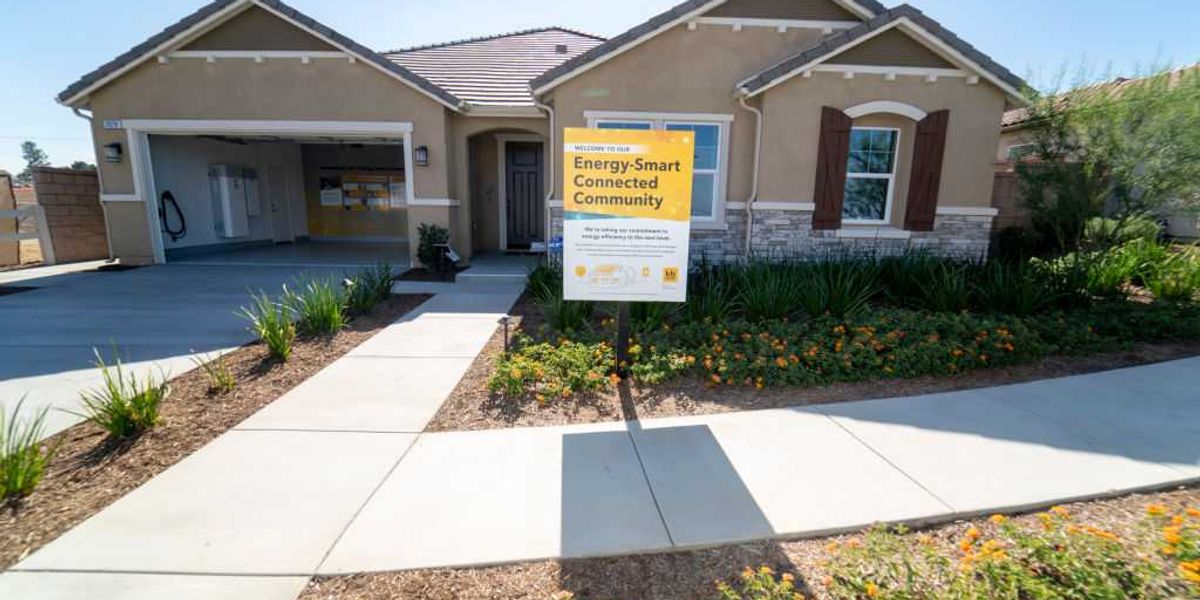
Housing costs are already squeezing too many families, and now a fresh layer of green-driven fees is pushing the numbers even higher. From construction rules to energy mandates, the price of building and buying a home keeps climbing in places that have made climate policy a religion instead of a tool. The result is simple enough: fewer affordable homes, more sticker shock, and a growing gap between what ordinary people can pay and what the market demands.
Colorado, California, and New York keep coming up for the same reason. These states love to present themselves as leaders on green energy, electric vehicles, and solar panels, but the bill usually lands on homeowners, renters, and builders. When policies are designed to sound virtuous first and work second, the people trying to get a roof over their heads end up footing the cost.
Affordable housing is supposed to be about opening doors, not piling on requirements. Yet in too many places, builders are asked to meet expensive energy standards, install extra equipment, and navigate layers of rules that slow projects down. Every delay adds cost, and every added cost gets passed along in the form of higher rents or bigger mortgages.
The irony is hard to miss. Politicians brag about saving the planet while making it harder for working families to afford a home close to their jobs, schools, and support networks. A policy that sounds clean on paper can still produce dirty results when it crushes the supply of housing and turns basic shelter into a luxury item.
Data centers are part of this conversation too, because they need enormous amounts of power and keep driving demand for more infrastructure. That means more pressure on utilities, more investment in grid upgrades, and more competition for the same energy resources that residents are told to conserve. When the grid gets tighter, costs rarely stay hidden for long.
Green policy also has a way of spreading beyond its original target. Once a state gets comfortable mandating solar panels or pushing electric vehicles, the philosophy often migrates into building codes, zoning, and financing rules. Suddenly the same ideology that started with energy gets wrapped around housing, and the people least able to absorb the hit are the ones asked to pay it.
This is where a lot of the public frustration comes from. Americans are not against cleaner air or smarter technology, but they are tired of being lectured by elites who never seem to live with the consequences of their own ideas. If a policy makes homes more expensive, then it is not helping the average family, no matter how polished the branding looks.
In practice, the marketplace should be allowed to do more of the heavy lifting. Builders need flexibility, buyers need options, and states should stop acting like every home has to be a showcase for the latest political trend. Housing affordability will not improve if governments keep treating it like an experiment for climate activists and bureaucrats.
There is also a deeper lesson here about priorities. A home is not a slogan, a campaign talking point, or a proof-of-concept for a preferred ideology. It is where people raise kids, store groceries, pay bills, and try to build a stable life, which is exactly why policy mistakes in this area hit so hard.
The country needs more homes, lower costs, and less meddling that turns common-sense construction into a luxury pursuit. Families can judge the difference for themselves when the monthly payment arrives, and no amount of polished rhetoric will make that number smaller. The real test is whether policy helps people live, or just helps politicians feel good about what they signed.
