
Data centers have become a political flashpoint because they sit right at the junction of electric bills, local control, jobs and America’s tech future. What once looked like an easy win for governors and mayors now feels like a riskier bet, especially as voters worry about higher costs and communities push back against huge new facilities.
The backlash is not coming out of nowhere. A retired Kentucky resident worried a proposed 500-megawatt project could send his power bill soaring, and that fear is spreading fast because many households are already stretched thin. When people think a giant server campus could land them with the bill, support evaporates in a hurry.
That is why politicians who eagerly courted these projects are starting to hit the brakes. Governors from both parties are now talking about tougher guardrails, permit pauses, audits and stronger local authority, which is a big shift from the earlier race to lure investment at any cost. The issue has moved from boosterism to damage control almost overnight.
President Donald Trump has taken the opposite tack, arguing that the country should build aggressively and stop treating infrastructure as a political punchline. The clash is already bleeding into state races, where candidates are trying to prove they can protect voters from rate hikes without sounding anti-growth or weak on innovation.
That balance matters because data centers are not just warehouses filled with computers. They are the backbone of artificial intelligence, cloud services, advanced manufacturing, scientific research and national security tools that do not run themselves. If the United States slows down too much, that work does not disappear, it just migrates to places that move faster and charge less.
The problem is not only public resistance. Some projects are stalling because the grid itself is tight, with shortages of high-voltage transformers and other critical equipment adding friction to an already crowded pipeline. China dominates much of that supply chain, which means hesitation in the United States can turn into an opening for competitors abroad.
Other countries are already happy to take the business. Saudi Arabia, the UAE and Japan are all chasing the same capital and the same strategic advantage, which makes every delayed American project more painful. This is not just a local zoning dispute anymore, it is a global contest for who gets to power the next decade of computing.
Still, the answer is not to pretend communities do not have legitimate concerns. People want to know where new power will come from, who will pay for the infrastructure and how quickly permits will move without cutting corners. If those answers stay fuzzy, opposition will keep hardening.
A smarter approach puts the costs where they belong. Data centers should help fund the electricity systems they require, sign transparent power agreements and invest in new generation and storage when needed. They should also use more efficient technology and accept real community input instead of acting like local concerns are just noise.
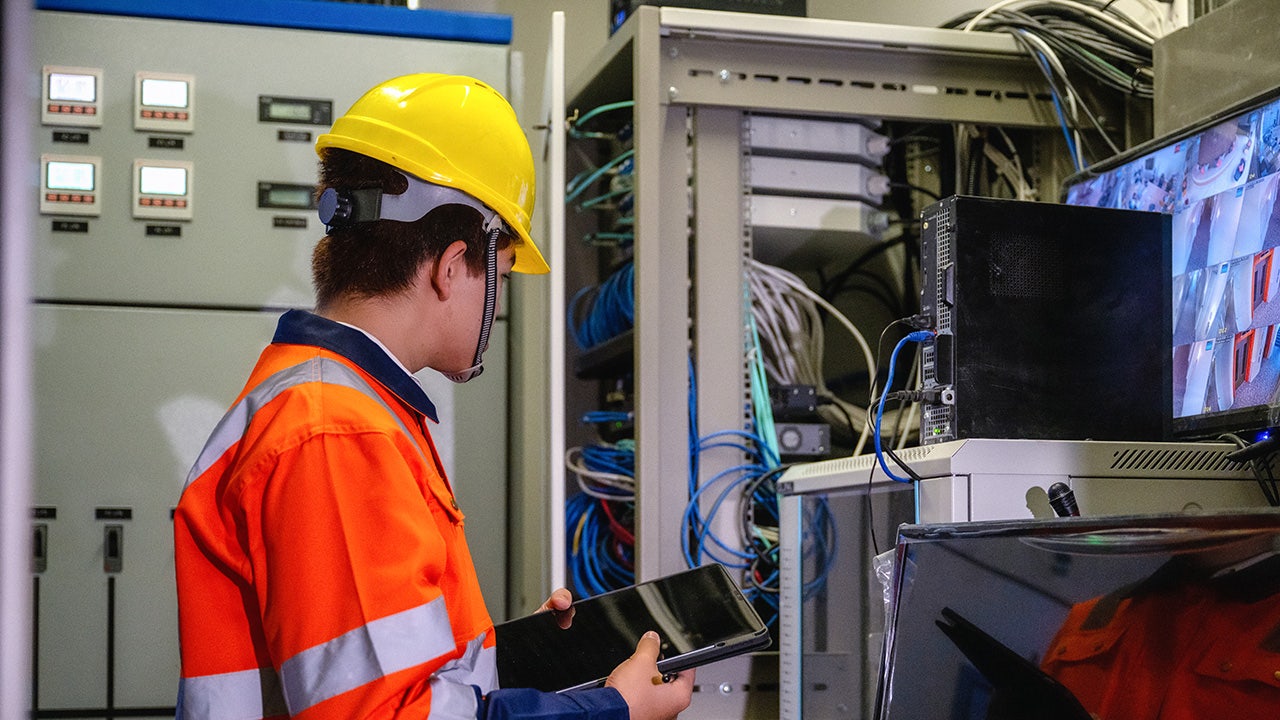
There is also a very real upside that often gets overlooked: the work itself. Building out these campuses takes electricians, pipefitters, high-voltage crews and a lot of other skilled labor, which means real paychecks and serious training opportunities. If the country is going to chase an AI boom, it makes sense to connect that boom to apprenticeships and blue-collar careers instead of treating it like an abstract Wall Street story.
That is where the politics get sharper. Voters may be skeptical of data centers, but they are even more skeptical of higher bills, vague promises and leaders who seem to favor distant corporate goals over household budgets. The winning formula is not to slam the brakes or open the floodgates, but to build in a way that keeps prices in check, protects communities and keeps America from falling behind while the rest of the world races ahead.
