
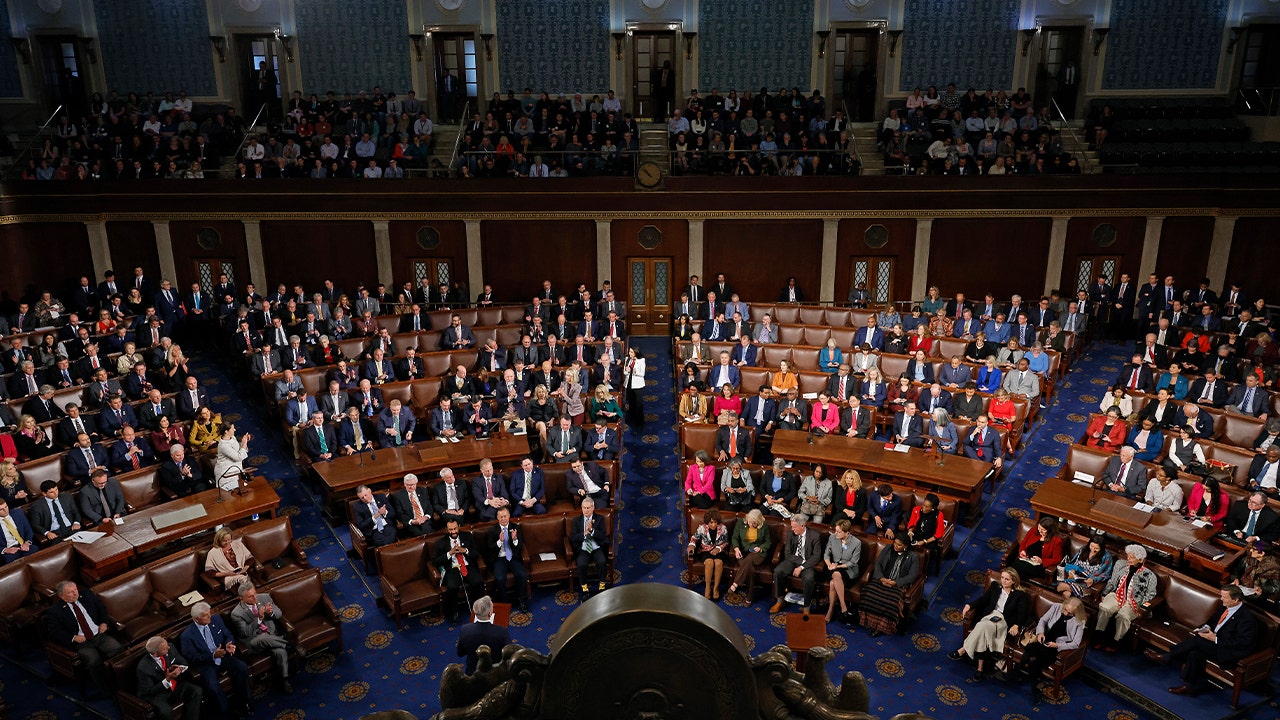
Democrats have seized control of the House in a big midterm turnabout, putting them on track for their largest majority in decades and handing Republicans a much smaller foothold in the chamber. The result marks a sharp reset in Washington, with one North Carolina race helping lock in a historic shift that will ripple through Congress when the next session begins.
Chuck Hubbard’s win over longtime Republican Rep. Virginia Foxx proved decisive in pushing Democrats past the threshold they needed. Foxx, who held serious clout as chair of the House Rules Committee, lost a seat that had long been a reliable Republican hold, and the swing landed like a hammer on GOP hopes for keeping the chamber competitive.
Even with several races still waiting on final calls, Democrats have piled up enough victories to reach at least 258 seats. That number gives them their strongest House showing since 1992 and puts the party in territory it has not seen in more than three decades.
Republicans, by contrast, are left with at least 173 seats, a number that makes it much harder to block Democratic momentum or shape the chamber’s direction. Four races remain unresolved in Minnesota, Tennessee, and two Louisiana runoffs, but those results will not change the basic story of the election night map.
The scale of the win matters because it goes beyond one cycle’s bragging rights. Democrats’ seat total now stands above every post-election House tally since Bill Clinton’s 1992 victory, and that puts the party in a position to control the floor, the agenda, and the pace of legislation far more comfortably than in recent years.
The margin also changes the tone inside the Capitol. A bigger majority means Democrats can move with more confidence, while Republicans are forced into a more defensive posture, where every procedural fight and every committee battle carries more weight than before.
The Senate picture only adds to the size of the shift. Democrats are also expected to take control there, giving them a 56-seat advantage in the 100-member chamber, which would be their strongest edge in over a decade and a major boost for party leaders looking to lock in their priorities.
That broader victory was not limited to the usual swing-state suspects. Democrats scored in places that often lean red, including Texas, Georgia, Kansas, Iowa, Ohio, Maine, North Carolina, and South Carolina, showing just how wide the wave reached this time around.
For President Donald Trump, the new Congress sets up a far rougher road ahead. Democrats are expected to come in hot with investigations aimed at his administration and the Republicans who backed him, turning the next session into a fight over oversight, accountability, and political survival.
The legislative battle will not stop at investigations either. Democrats are preparing a 100-day push centered on undoing GOP Medicaid cuts and bringing back Affordable Care Act tax credits that Republicans let expire, a mix of policy fights designed to make the new majority feel immediate and impossible to ignore.
That puts the House on a collision course with the White House from day one. With Democrats controlling the chamber and Republicans stuck on the back foot, every vote, hearing, and committee hearing is likely to carry extra heat as both sides move fast to define the next chapter in Washington.
