
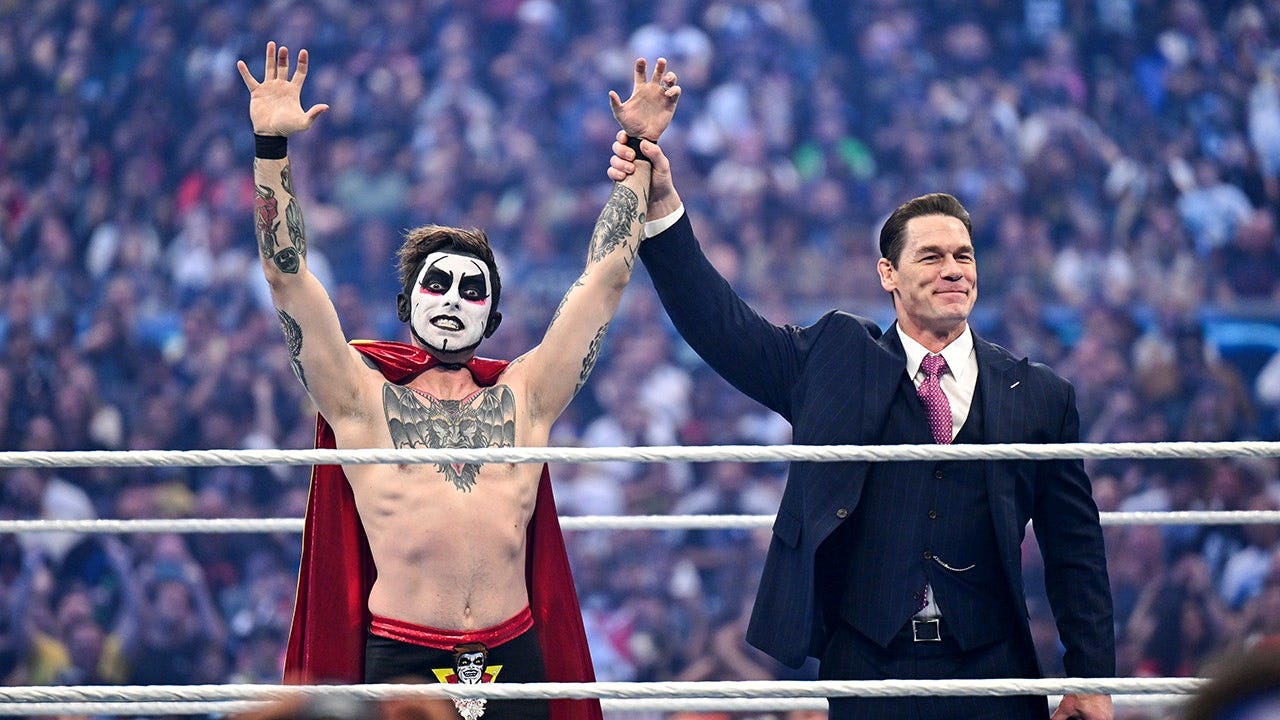
Danhausen’s rise inside WWE reads like a perfect wrestling oddball story: he went from an intriguing Elimination Chamber cameo to standing under WrestleMania lights, all while making curses feel like comedy gold, turning quirks into sales, and winning a strange, loyal fan base. This piece traces how a character built on goofy menace and clever marketing turned backstage respect and crowd love into a tangible presence on wrestling’s biggest nights. Expect texture on performance, merch, and the moments that made Danhausen impossible to ignore.
He did not arrive as a typical hero or heel, he arrived as a character you could not easily categorize. The face paint, the creepy voice that flipped to a chirpy “very nice,” and the way he mixed horror movie vibes with cartoon timing made him stand out immediately. That contrast made the audience lean in because you never fully knew whether to boo him or laugh at him.
The Elimination Chamber appearance was the kind of moment characters like this live for: a spotlighted introduction in a chaotic setting that forced viewers to notice. He used that controlled chaos to amplify his strange persona, piling on theatrical curses that felt like a throwback to campy mystery shows. The result was instant brand recognition; fans began to chant and mimic him whether he was in the ring or backstage segments.
Viral clips of him cursing opponents and making goofy faces spread fast, and social platforms amplified every smirk and gesture. A single soundbite could get replayed through playlists, meme feeds, and reaction videos, turning fleeting moments into persistent cultural markers. That momentum meant his character lived beyond the weekly TV cycle and became a part of fan lexicon.
Merchandise followed the memes in a way few new characters enjoy, and Danhausen leaned into it with smart choices. T-shirts, quirky masks, and collectible items sold because the design matched the personality: fun, off-kilter, and instantly recognizable. Those sales weren’t just revenue, they were micro-advertisements walking into arenas and appearing in crowd shots on TV.
On the floor and in the seats, fans responded to the joke and the sincerity at once, which is rare in modern wrestling where cynicism can be loud. People brought signs, dressed up, and used his catchphrases in ways that turned shows into shared rituals. That grassroots enthusiasm is durable; it’s what keeps a gimmick from being a one-week wonder.
Backstage, the buzz was more than surface-level; peers respect performers who can get a reaction and still work a match. Danhausen mixed comedy with credible in-ring ability, showing he could sell a move and play the moment without losing momentum. That kind of versatility earns you higher-profile spots because promoters know you can carry a crowd reaction and protect bigger stars in a match.
By the time WrestleMania 42 rolled around, his presence on that stage felt earned rather than accidental. The lights and scale underscored that his oddball shtick had commercial and entertainment value on the biggest platform wrestling offers. What once seemed like a niche joke had become a tool promoters could use to punctuate shows and create viral theater.
Danhausen’s story proves a simple lesson: personality plus timing equals impact, and wrestling still rewards characters who find a way to stick in people’s heads. The image of him at a major show, leaning into a last-minute curse as the crowd reacts, is less about a single match and more about how a performer can create lasting moments. When the lights dim and the crowd carries the chant, it’s clear the character isn’t finished evolving.
