
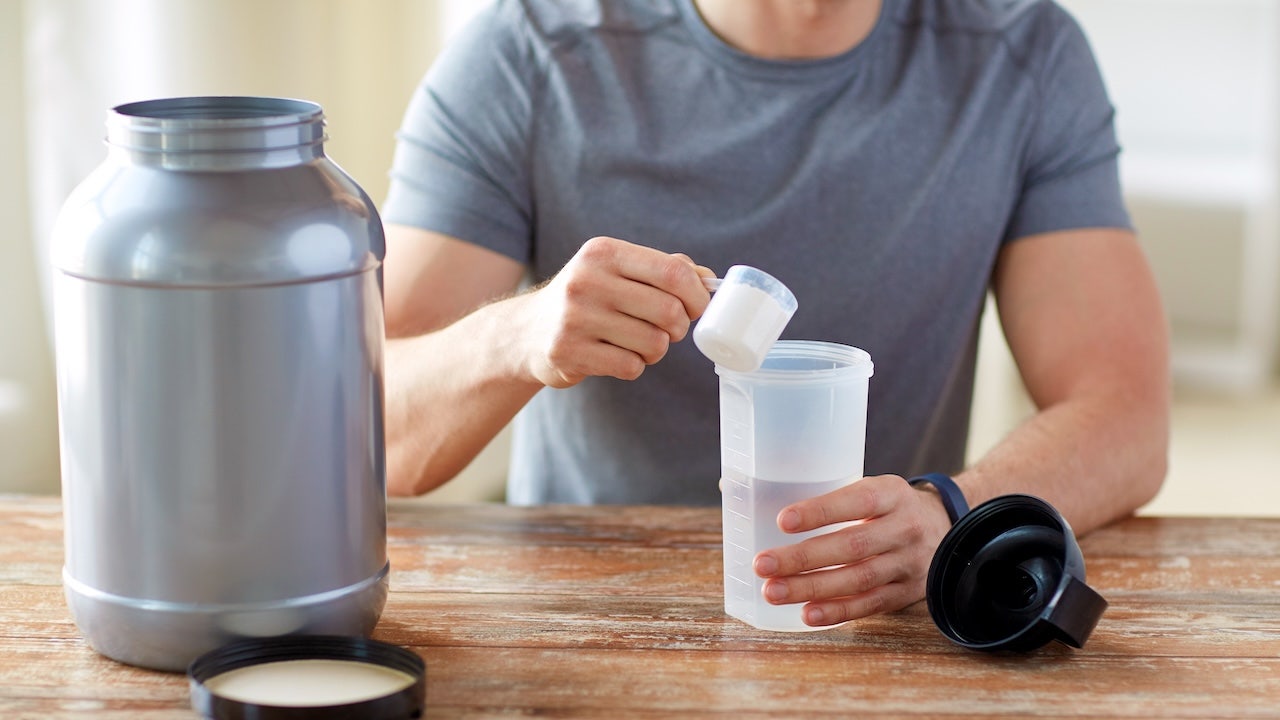
Daily creatine use is getting fresh attention because it may do more than support workouts. A new 12-week study suggests it can help middle-aged and older adults hold onto lean muscle, improve strength, and even give memory a small boost. That matters because muscle loss tends to creep up with age, and it can hit harder than many people expect.
Researchers at Texas A&M University’s Exercise & Sport Nutrition Lab followed 64 healthy men and women between ages 45 and 65. Some participants exercised and adjusted their diet, while others stayed out of the workout group, and both sets were randomly given either creatine monohydrate or a placebo. The daily dose was 10 grams, split into two 5-gram servings.
The big headline is simple: creatine appeared to help preserve lean body mass. In the exercise-plus-diet group, the supplement was linked to better protection against fat gain, stronger upper- and lower-body performance, and less muscle loss overall. Even the people who did not exercise saw gains in lean tissue, along with improvements in strength and endurance.
That is a pretty striking result, especially because creatine is usually talked about as a gym supplement for lifters and athletes. It is a naturally occurring compound that helps the body make adenosine triphosphate, or ATP, which is the energy cells use to keep muscle and brain tissue working. Creatine monohydrate is the supplement form most people know, and it is often used for quick bursts of energy during training.
Age-related muscle loss, known as sarcopenia, can make everyday life harder. Losing muscle can affect balance, mobility, and confidence, and dieting without the right support can make the problem worse. The study suggested creatine may blunt that slide, even when exercise is not part of the picture.
Fitness coach Jacob Zemer said the results are notable because they point to real changes in muscle, not just temporary water retention inside the cells. He also noted that people in the non-exercise group still improved in bench press and leg press measures, which hints that the supplement may support actual strength production. His view was blunt: creatine looks useful for far more people than just bodybuilders.
The brain findings were another attention grabber. Along with the physical changes, the researchers reported improvements in select memory and cognitive processing tests. That does not make creatine a miracle brain pill, but it does line up with growing interest in how nutrition may support healthy aging on more than one front.
Even with those positives, the study does have limits. Participants picked whether they wanted to be in the exercise or non-exercise group before being assigned creatine or placebo, which could have affected the results. The trial was also short, lasted only 12 weeks, and included healthy adults, so it is not clear how the findings would hold up over the long run or in people with serious metabolic or neurological conditions.
Experts still say the basics matter most. Supplementation may enhance results, but it does not replace regular physical activity, especially resistance training. Creatine seems to work best as part of a broader routine that includes movement, smart eating, and consistency, not as a shortcut that lets exercise slide.
For people thinking about trying it, safety and timing still matter. The NIH Office of Dietary Supplements says creatine is generally considered safe for healthy adults, though some people can deal with bloating, stomach discomfort, or water retention. A healthcare professional can help sort out whether it makes sense, especially for anyone with kidney disease or another chronic condition.
Zemer also pointed out that dosage often gets overcomplicated. Typical minimum amounts are often around 3 grams for women and 5 grams for men, while the study used a larger daily dose. His advice was straightforward: pick a reputable brand, stay hydrated, and take it consistently, because creatine tends to reward steady use more than perfect timing.
