
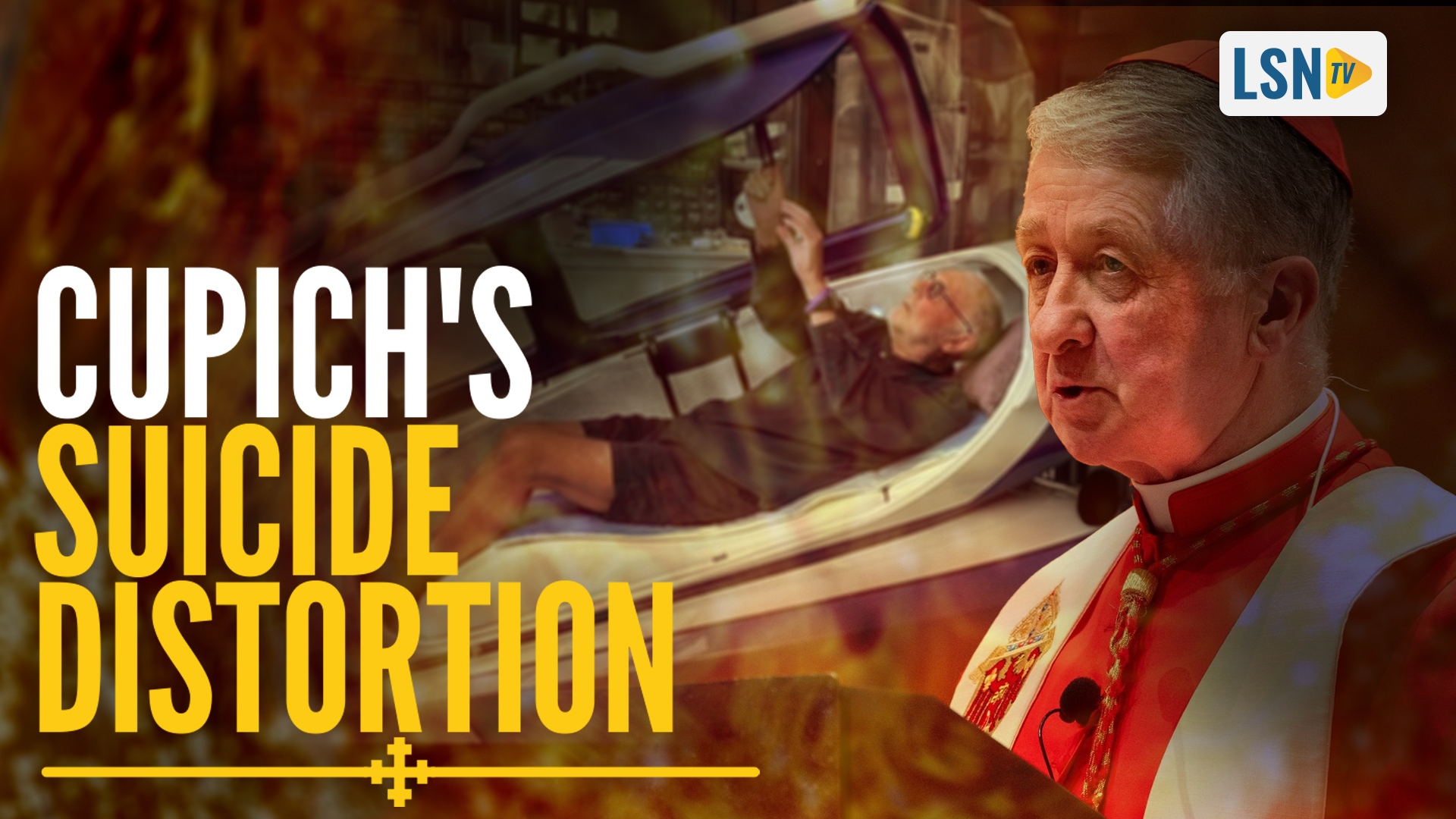
Cardinal Blase Cupich’s new cemetery memorial tied to suicide has stirred up a sharp Catholic debate, and the argument goes straight to the heart of how the Church speaks about suffering, mercy, and salvation. The question is simple but heavy: does this kind of memorial offer real compassion, or does it blur the line between pastoral care and bad theology?
The memorial has been presented as a sign of a more developed understanding of suicide, but that framing leaves out a lot of the Church’s traditional teaching. Suicide is still treated as a grave moral act, and the seriousness of that reality does not disappear because the modern world is uncomfortable with hard language. The Church has long recognized, though, that not every person who dies by suicide is responsible in the same way, because mental illness, depression, fear, and deep emotional distress can reduce personal culpability.
That distinction matters. It means the Church does not rush to condemn individual souls, but it also does not pretend to know their fate with certainty. Judgment belongs to God alone, and that truth is meant to humble people, not license them to make easy assumptions about heaven.
What gets challenged here is the tone and message of the memorial itself. If a public Catholic gesture seems to imply that every suicide victim is already safe in eternal glory, it can quietly weaken the sense of moral gravity around the act. That kind of messaging can sound tender on the surface while actually draining away the call to repentance, prayer, and spiritual vigilance.
Traditional Catholic teaching takes a much sturdier view of human dignity. Life is not ours to dispose of, because it is given by God, and that gift carries a real moral order. The body is not a disposable burden, suffering is not meaningless, and the Christian response to pain is never to celebrate the destruction of life.
There is also a direct moral issue around assisted suicide and the broader culture that normalizes it. When people encourage or help bring about a death, they step into grave responsibility, no matter how polished the language sounds. A society that teaches the suffering and sick that death is a solution is not being merciful, it is giving up on the hard duty of care.
The Church has always had a place for compassion, but compassion is not the same as surrendering truth. Caring for the sick, accompanying the lonely, and staying close to those in despair are real acts of mercy, and they matter precisely because they resist despair rather than bless it. That is especially important now, when many people already feel isolated and disposable.
Suffering itself is another part of the picture that modern culture tries to erase. Catholic teaching does not call suffering good in itself, but it does insist that it can have meaning and can be united to Christ. That is a very different message from the one that says pain must be eliminated at any cost, even if the cost is life itself.
Westen’s response pushes back on the idea that sentimental language can replace doctrine. He argues that what sounds like mercy can become spiritual confusion if it ignores the Church’s actual teaching on sin, responsibility, and the final things. A memorial can honor grief without rewriting belief, but once it starts speaking as if salvation were automatic, it crosses into dangerous territory.
That is why this controversy has landed so hard among traditional Catholics. They see more than a single memorial at stake, because the real issue is whether the Church will keep speaking plainly about life, death, repentance, and God’s authority. Once those truths get softened too much, the message to the faithful gets cloudy fast, and cloudy theology has a way of hurting the very people it claims to help.
The deeper concern is not just about a monument in a cemetery, but about the kind of moral imagination Catholics are being asked to accept. If death is treated too casually, repentance becomes an afterthought, and the urgency of preparing for eternity slips away. In that sense, the argument around Cupich’s memorial is really about whether the Church will comfort people by telling the truth or by dressing up error in gentle words.
