
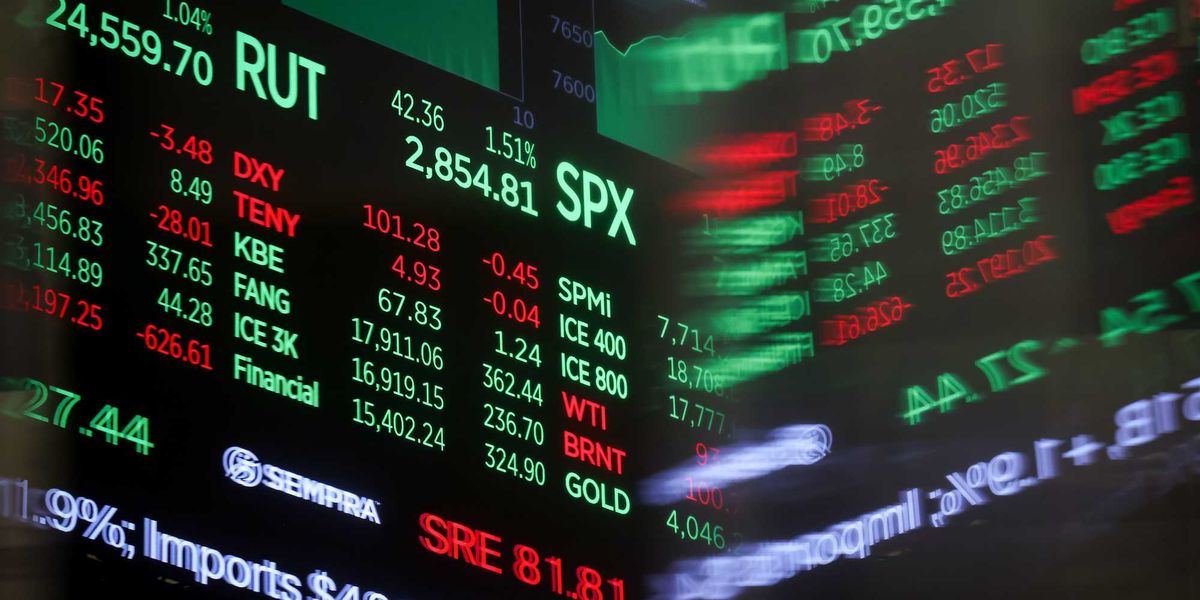
The market ripped higher after a brutal midterm stretch, with traders quickly dumping the panic and piling back into stocks. The move stood out because it was broad, sharp, and came right after a political shock that had plenty of people bracing for more damage.
What followed looked less like a cautious rebound and more like a statement. Investors pushed major indexes up fast, oil moved with the mood, and the whole session carried the feel of a crowd rushing to get ahead of the next move.
Here are the main things driving the action:
- A sharp stock market rebound after a rough midterm election period
- Investor reaction to political uncertainty and changing expectations
- Movements in oil prices tied to the broader market mood
- The Dow Jones and other major indexes leading the rally
- Attention on how politics and markets keep colliding
The bounce came after a period of heavy nerves, when traders had been leaning defensive and treating every headline like a warning flare. Once the selling pressure eased, buyers jumped in hard, helping push the market into one of its strongest gains of the year.
That kind of snapback is often what happens when fear gets ahead of reality. A market that has been beaten down for days or weeks can turn fast once people decide the worst may already be priced in, and that shift can be powerful enough to change the whole tone of the day.
The Dow Jones helped lead the charge, giving the rally extra weight because blue-chip strength tends to signal broader confidence. When the biggest names move up together, it sends a message that the bounce is not just a narrow squeeze in one pocket of the market.
Oil prices also played into the story, adding another layer to the fast-moving picture. Energy markets often react quickly when investors start rethinking growth, inflation, and geopolitical risk, and that makes crude a useful pressure gauge for the larger mood on Wall Street.
Political uncertainty was the big backdrop hanging over everything. Midterm elections can shake up expectations for taxes, regulation, spending, and trade, so traders were not only reacting to the vote itself but to the new questions it opened up.
Markets hate fog more than bad news. Bad news can be modeled, debated, and eventually absorbed, but uncertainty tends to keep people frozen until a clearer path appears, which is why the first strong move after a political jolt can be so violent.
The rally also showed how quickly sentiment can flip when positioning gets crowded. If too many investors are leaning one way, even a modest change in outlook can trigger a stampede in the opposite direction as people scramble to avoid being left behind.
That is part of what made the session feel so big. It was not only a gain on the screen, but a reset in attitude, with traders suddenly more willing to bet that the market could absorb the shock and move on.
Still, one strong day does not erase the deeper tension running through the market. Inflation, interest rates, policy changes, and the next round of political headlines can all land fast, which is exactly why rallies like this can feel thrilling and uneasy at the same time.
For now, though, the message was loud and clear. After the midterm upheaval, investors did not stay huddled on the sidelines, and the surge across stocks and oil showed just how quickly Wall Street can go from fear to full-speed buying.
