
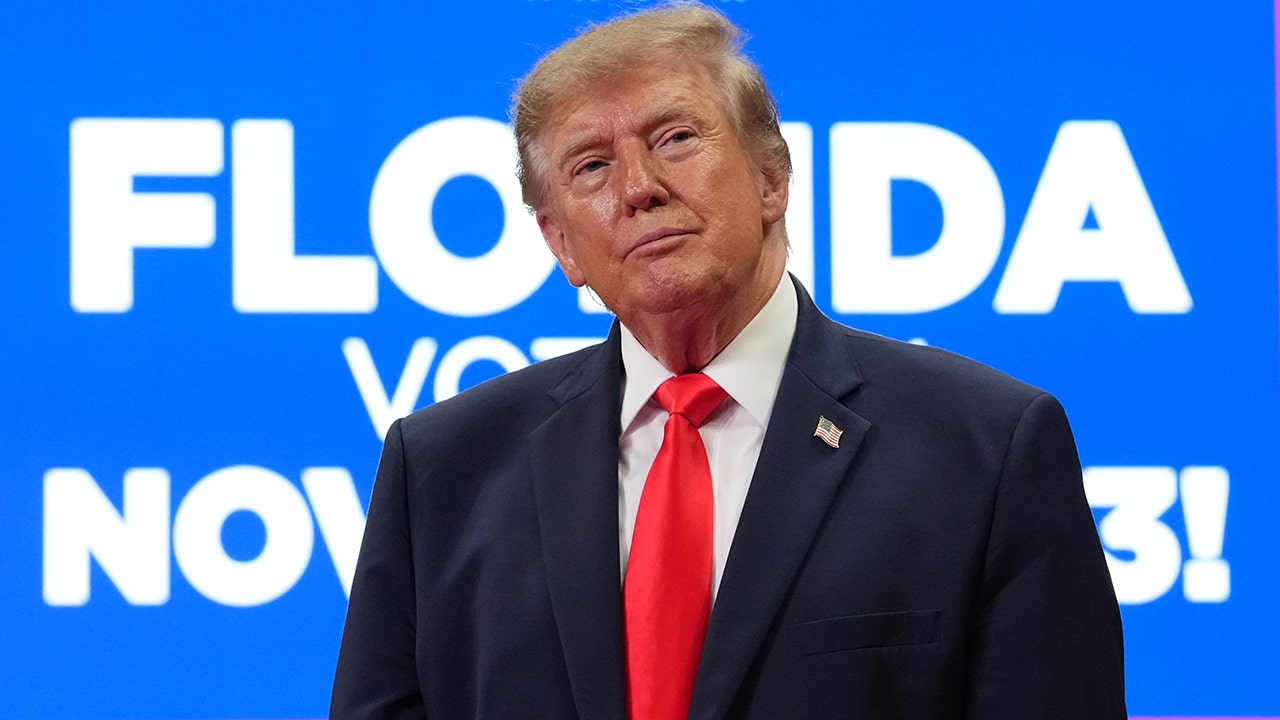
Republicans are staring at a rough political reset after Election Night left Democrats in charge of Congress and sent shock waves through the GOP. The losses were big, the blame game started fast, and the finger-pointing quickly landed on Donald Trump, whose influence once again loomed over every part of the map.
What should have been a night of confidence turned into a scramble for answers. Democrats picked up seven Senate seats and 27 House seats, a swing that not only changed the balance of power but also exposed how shaky the Republican coalition had become under pressure.
Some GOP donors and insiders did not mince words. One prominent Republican donor called it “a Trump loss,” arguing that Trump wanted the election to be about him and ended up dragging the party into the fallout anyway.
That frustration came through again and again in the postmortem. Republicans had spent months looking at the Senate as a winnable battlefield, but a series of self-inflicted blows, candidate fights, and strategic misfires turned a favorable setup into a mess.
Several Republicans blamed Trump’s habit of settling scores with senators and pushing personal grudges over practical politics. Instead of building a broader coalition, the party ended up narrowing its lane, and that left Democrats with room to punch through in places that once looked safe.
The Senate losses were especially painful because they came in races Republicans thought they had covered. Trump’s preferred candidates were hit hard, and the defeats spread across a wide enough map to make the damage impossible to spin away.
Affordability was another sore spot. Republican aides said Trump and his allies failed to focus enough on the cost of living, even as voters were clearly feeling economic pressure in their daily lives.
There was also plenty of irritation inside the party over distractions that seemed unnecessary and self-defeating. One House Republican blasted the obsession with flashy name changes and political theater, saying the party should have been focused on the basics instead of spectacle.
Another Republican lawmaker pointed to a bigger pile of problems, including candidate quality, immigration fights, tariffs, inflation worries, and a drift away from traditional conservatism. That kind of criticism usually stays behind closed doors, but the scale of the losses made it harder to keep quiet.
Trump’s allies tried to push back by blaming the candidates themselves. Alex Bruesewitz said many Republican contenders were uninspiring and weak communicators, a line that matched the growing feeling in some corners of the Trump orbit that the party’s bench simply did not hold up under pressure.
Still, the larger reality is hard to ignore. Trump’s handpicked picks underperformed, races that once looked solid slipped away, and the party now has to deal with a Congress that looks much less friendly than it did just days earlier.
The House loss may sting even more because Democrats did not just win, they surged. With the chamber flipping and more races still in motion, Republicans are left wondering how much of their agenda can survive the next stretch, especially with Trump’s grip on the party suddenly looking less like strength and more like a liability.
That shift has already changed the tone among some Republicans who used to keep their distance from public criticism. The early chatter is not about regrouping around Trump, but about separating from him before the next round of elections turns into another costly replay.

1 Comment
I blame these:
Senate do nothing
Trump being inflexible when needed
DC Estd
RNC Estd
for losses
NOT countering DNC DSA