
I have lived with Duchenne muscular dystrophy in my family for decades, lost two brothers to it, and now watch my son fight the same battle while pushing the FDA to allow treatments like Elevidys. I traveled to Washington to tell our story, to urge lawmakers and patient advocates to demand an agency that prioritizes saving lives over gatekeeping. My faith guides me, and small acts of advocacy are starting to move the needle against bureaucrats who stood in the way. This is a personal plea, a critique of an agency that forgot its purpose, and a record of hope that faith and action can change outcomes.
For 40 years I have carried the weight of Duchenne in my chest, watching Angelo and Antonio die at 20 and 22. Those losses were the backbone of how my husband and I raise our son, Ryu, who inherited the same brutal diagnosis. Losing brothers that young teaches you both grief and the hard choice to keep fighting with everything you have.
My earliest memories are of church pews and my mother praying for her boys every single day. We begged God for healing and for mercy, and when Ryu was born I simply added him to those long-held prayers. Church gave us a rhythm of hope that carried us through nights full of fear and machines that keep lungs working.
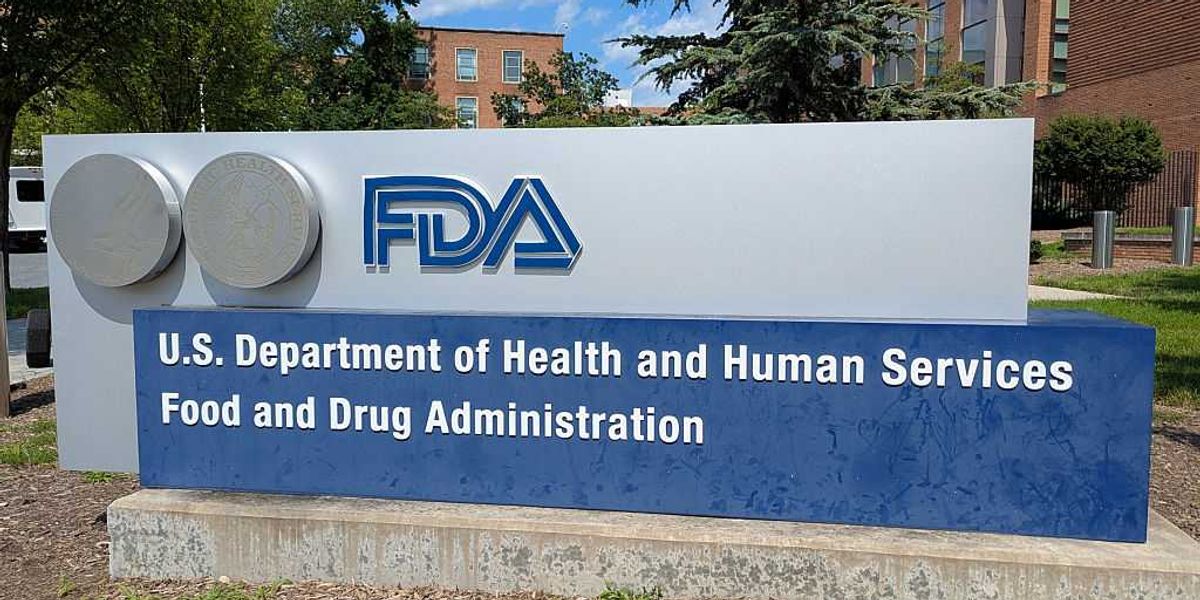
I also prayed a different prayer — that God would open a door for my voice to matter beyond our living room. This year that door cracked open and I stood in Washington asking the Food and Drug Administration to stop standing between sick kids and treatments that could help them live. I spoke with lawmakers and patient advocates from both parties and pressed them to question an agency that too often values process over patients.
The momentum was real. A week after our advocacy push, Center for Biologics Evaluation and Research Director Dr. Vinay Prasad announced his resignation. Too many families like mine watched as treatments were blocked, often with the support of FDA Commissioner Marty Makary, and that felt like an avoidable tragedy. This is not about partisan theater; it is about bureaucrats making decisions that cost lives.
Faith keeps me steady through the anger and the grief. At Easter we celebrated the carpenter who stood up to the establishment of His day and refused to let the vulnerable be discarded. He fell but He did not falter, and I try to let that example guide my legs when the road gets hard and the regulators get stubborn.
As Holy Thursday approached this year, Ryu had a rough night and needed his Bipap machine to help his lungs. He looked at me — my 14-year-old, wheelchair-bound son who smiles through so much pain — and said, “Mom, this sucks. But what you’re doing makes it a lot easier.” Those words are not dramatic. They are a mission statement for why I push policymakers and why families keep speaking up.
I’ve been saying the same prayer for help and to be able to lend my voice for over 40 years. To the world, Angelo and Antonio may be gone, but their memory is the foundation of every decision my husband and I make for Ryu. God has given me chances to carry their story from El Paso to our nation’s capital, and I will use every one of those chances.
Commissioner Makary and others charged with protecting public health seem to have forgotten that their job is to save lives, not to gatekeep hope. That neglect calls for accountability and for a grown-up conversation about how the FDA balances caution with compassion. My faith tells me God has different plans than bureaucrats do, and for now He is letting me use my voice to fight for those plans.
God appears to be just getting started with me, and so far it has been amazing. I am not surprised, because in forty years of praying, trusting and acting I have learned that hope paired with effort can move mountains and change policy. I will keep showing up for Ryu and for every parent who needs someone to say that their child matters more than regulatory pride.
