
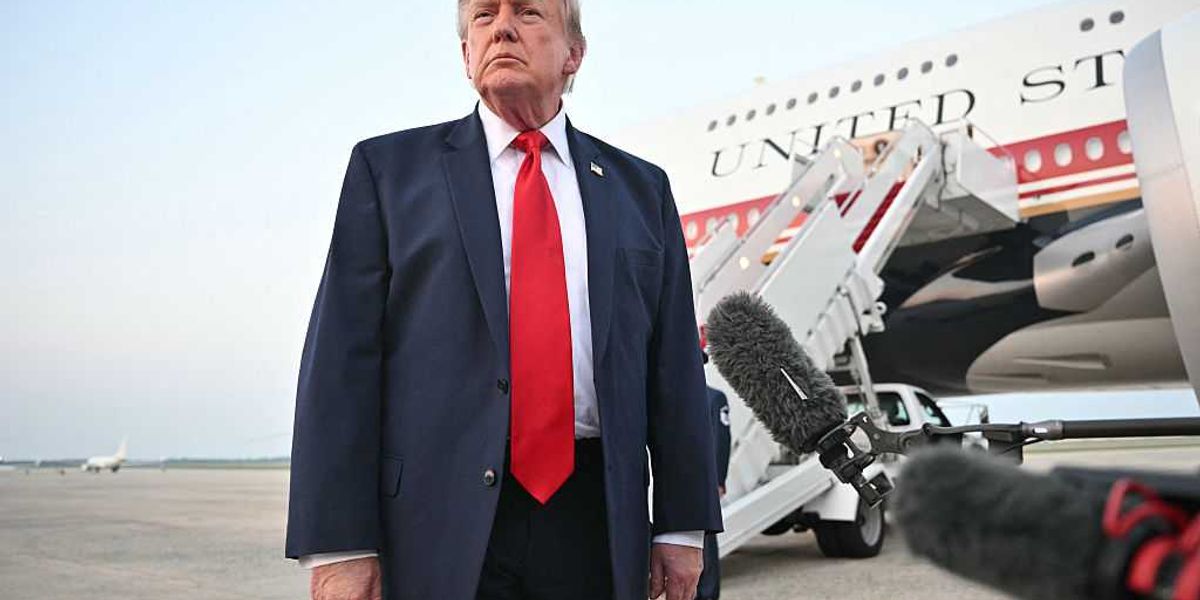
Trump’s push around the 2020 election files has kicked the conversation into a new gear, and now the pressure is squarely on Congress to do something useful with it. The bigger fight is not just about one election, but about whether the country is serious about securing future ones, cleaning up loose ends, and forcing accountability where it has been missing. That is where the SAVE Act, election security, and a more aggressive stance toward the machinery of the deep state all come into play.
For a lot of Republicans, the lesson from 2020 was never just about one night or one count. It was about the broader system, the way narratives got locked in fast, and how hard it became for ordinary voters to trust the process when so many questions were brushed aside. If Congress wants credibility, it has to stop acting like the public’s skepticism is some kind of problem to be managed instead of a warning sign to be taken seriously.
The SAVE Act sits right in the middle of that fight because it speaks to something basic: elections should be clear, verifiable, and protected from sloppy standards. That may sound obvious, but obvious is exactly what Washington often trips over when the stakes get high. The whole point is to make sure the rules are tighter, the system is cleaner, and the public has fewer reasons to wonder who is really in charge.
Trump changed the way this conversation works by refusing to let the issue fade into background noise. Once those 2020 files became part of the larger debate, the silence around election integrity got harder to maintain, and Congress was forced to confront a topic it would rather leave alone. That shift matters because the people who keep saying “move on” usually have the most to lose when real scrutiny finally shows up.
There is also a wider strategic layer here that Republicans are not ignoring. Venezuela, the Chinese Communist Party, and other hostile actors are often discussed in separate boxes, but they all connect to the same basic concern about weak institutions and outside pressure finding open doors. If the country cannot secure its own elections, it becomes easier for adversaries to test the edges, spread confusion, and exploit every crack they can find.
That is why this is not just a partisan talking point or a rally slogan. It is about the difference between a system that demands trust and one that earns it. Voters do not need theater. They need proof that the rules are firm, the process is serious, and the people running it are not treating transparency like a nuisance.
Congress still has a choice, and the choice is not subtle. It can keep circling the issue with vague statements and half-hearted gestures, or it can back reforms that make election integrity more than a talking point. That means getting serious about the SAVE Act, taking the 2020 files as a signal that unanswered questions matter, and admitting that trust does not come from speeches, it comes from action.
The deeper fight is really about whether Republicans keep pressing until the system changes, or whether the whole thing gets swallowed by the usual Washington routine of delay and distraction. Trump forced the issue back into the open, and now lawmakers have to decide if they are willing to follow through when the spotlight is on. The public is watching that part closely, and the room for excuses is getting smaller by the day.
