
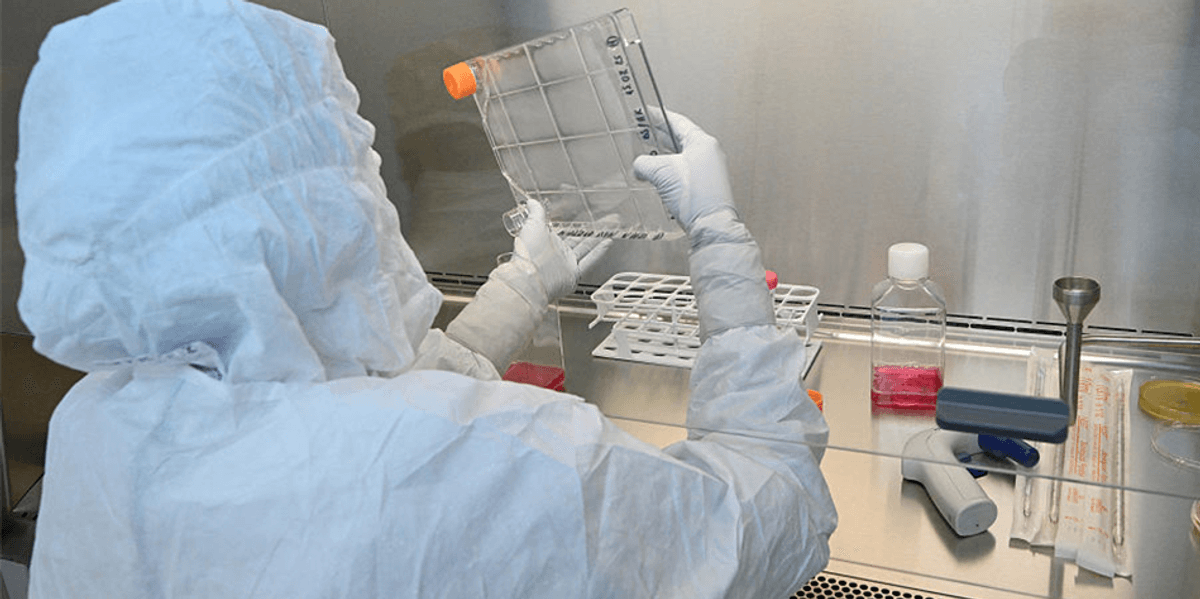
Conception, a fertility startup, says it has coaxed early human egg cells from stem cells, aiming to expand who can have biological children. The company describes a lab process that starts with a blood draw, converts cells into pluripotent stem cells, then nudges those cells toward forming ovarian tissue and immature eggs. Investors and founders frame this as a technical leap with personal stakes and big ethical questions ahead. This article walks through what the company claims, who’s backing it, and why the results matter without taking sides.
Conception frames the work as a direct answer to a simple problem: biology limits fertility. The firm argues that egg supply wanes and medical hurdles block some people from biological parenthood, so they went looking for a laboratory workaround. Their announcement focuses on early-stage egg cells, not finished gametes ready for reproduction. The distinction matters, because early eggs are steps on a long path, not the end point.
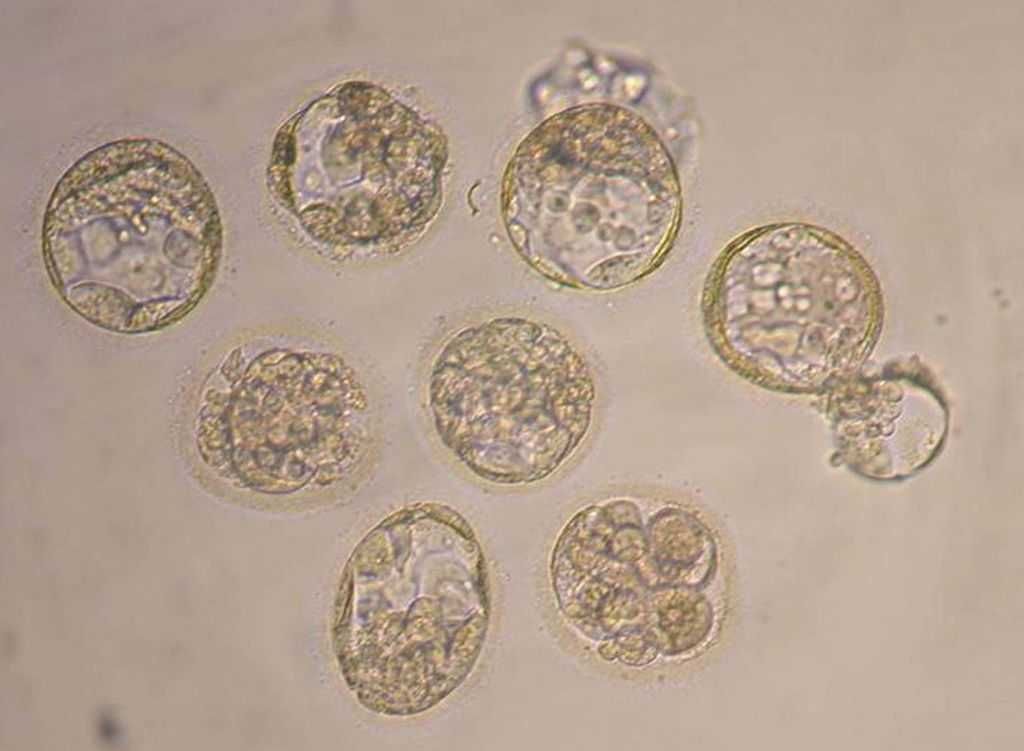
The company says the method began with an ordinary blood sample that was turned into induced pluripotent stem cells. CEO Matt Krisiloff that those stem cells were then guided into forming what the company calls miniature ovaries containing early egg cells. The language is laboratory-speak, but the implication is clear: a patient’s own cells could potentially be the raw material for future reproductive tissues. That would rewrite how we think about who can produce eggs biologically.
Krisiloff has been explicit about his motivations, and he’s used blunt, personal language. “My personal biggest interest in it is that it could allow same-sex couples to be able to have biological children together as well,” he said in a past interview, followed by the exact line, “Yeah, I’m gay, and it’s something that got me so personally interested in this in the first place.” Those words make the company’s aims more than just an abstract tech problem; they make them a social promise to certain families.
Technically, Conception describes the approach as “in-vitro gametogenesis,” a process scientists have chased in animals for years. The company links its progress to prior mouse work showing that skin or other cells can be reprogrammed into stem cells capable of producing eggs in a petri dish. Conception points to a pivotal result from the mouse experiments and quotes the finding exactly: “These eggs produced healthy [mouse] pups that lived normal lifespans and reproduced naturally, having healthy pups of their own.”
Mice are not humans, and the company acknowledges that procedures that are straightforward in rodents are tougher in larger animals and people. Conception argues the human line of research is still worth pursuing, but the announcement does not claim clinical readiness. The firm emphasizes early human eggs rather than mature, fertilizable oocytes, leaving a lot of scientific and regulatory work between the current milestone and any real-world use.
Public details are thin on what other animals they may have tested beyond mice, and Conception has been selective about the experiments it describes. That opacity raises predictable questions about safety, reproducibility, and oversight, especially when you’re talking about anything that touches human reproduction. For now the claim is significant because it moves the idea from theory to something reported in the lab, but that is not the same as proof that the method will ever be safe or legal for people.
Backers include some well-known names from tech and biotech, and the company has said it raised a meaningful funding round in previous years. Investors reported to be involved include OpenAI CEO Sam Altman, Skype founder Jaan Tallinn, and Recursion Pharmaceuticals co-founder Blake Borgeson. Those names signal that the venture community sees big potential and is comfortable backing risky, controversial science.
The company’s co-founders have also spoken in personal terms about why they started the project. Pablo Hurtado Gonzalez said, “There is something intrinsic, sharing a life that is half me and half my husband.” He added, “I don’t have the capacity right now, and I am devoting my life to try to change that.” Bianka Seres described the work as likely to have global impact, stating, “And for individuals, I think it’s going to be life-changing.”
Those human stories help explain why fertility tech draws both excitement and scrutiny. Turning patient cells into reproductive tissues promises new options for people who otherwise face biological limits, but it also raises questions about ethics, consent, and long-term risks. Regulators, clinicians, and ethicists will need to weigh in before any laboratory milestone becomes a medical reality.
Conception’s announcement sits at the intersection of hope and uncertainty. It reports a laboratory achievement that has been a goal for decades while stopping short of practical claims about babies born from these human-derived early eggs. The next chapters will involve independent validation, transparency about animal and human testing, and a public conversation about how society wants to handle these possibilities.
https://x.com/mattkrisiloff/status/2071963101151539385?ref_src=twsrc%5Etfw
