
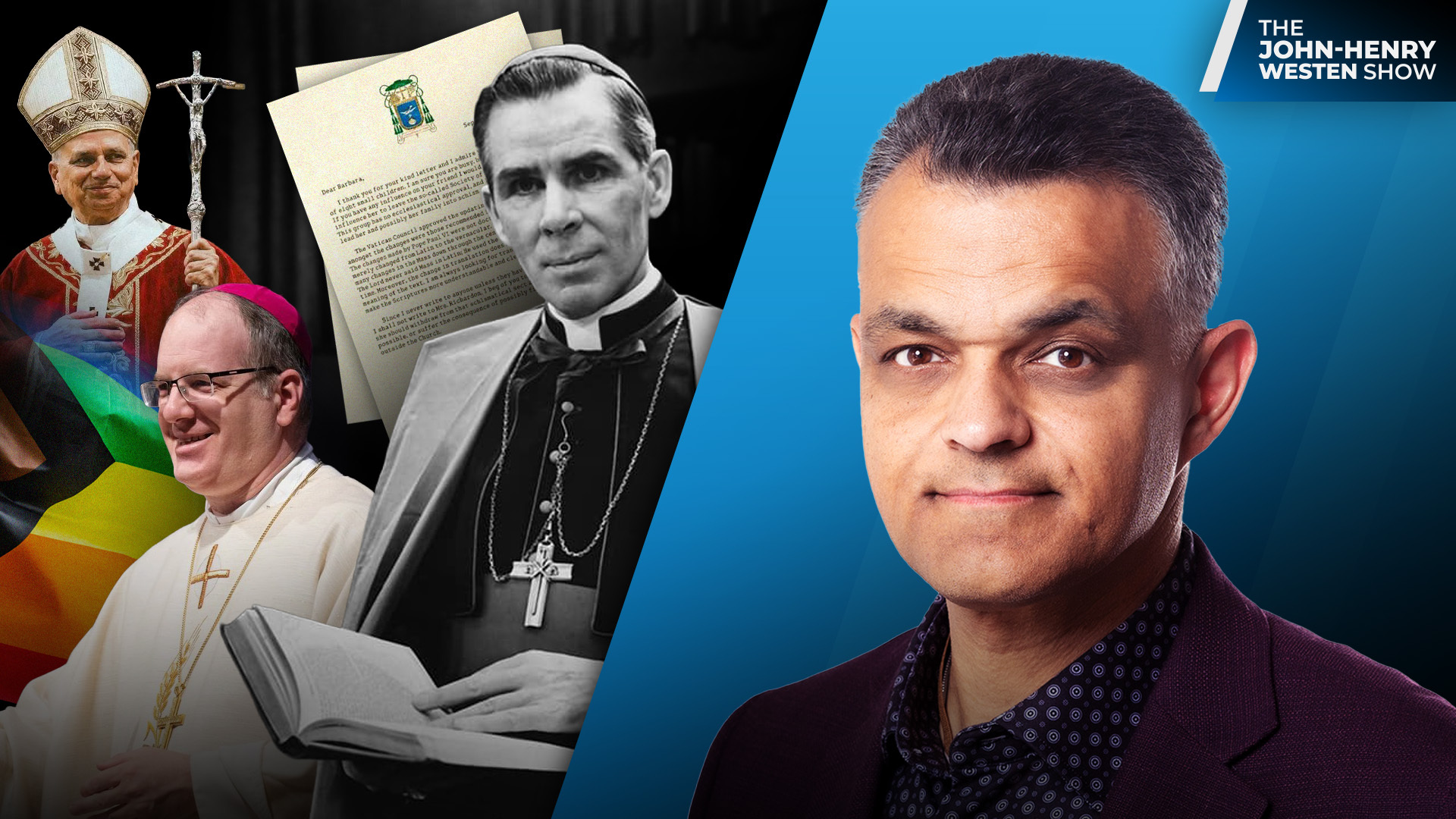
Pope Leo XIV’s recent choices have stirred outrage and confusion among traditional Catholics, and this piece breaks down the sharp contrasts and unexpected priorities driving Vatican action. A German bishop with a record of supporting same-sex blessings, gender ideology, and LGBT initiatives was appointed, while the Vatican simultaneously tightened canonical sanctions on the Society of Saint Pius X. That move created a striking comparison with how the Church treats Catholics who have procured an abortion, and the fallout has left many faithful unsettled. John-Henry Westen has also dug into a widely circulated letter tied to Bishop Fulton Sheen, adding one more controversial layer to the story.
The appointment of a German bishop known for supporting same-sex blessings, gender ideology, and LGBT initiatives feels like a deliberate message. For conservatives and traditionalists, episcopal appointments are supposed to protect doctrine and sacramental integrity, not advance cultural trends that many believe undermine Church teaching. That mismatch between expectation and reality is where most of the discontent starts, and it is easy to see why people are reacting with alarm and disbelief.
At the same time, the Vatican has imposed canonical sanctions on the Society of Saint Pius X that demand a more arduous process for lifting them than the path for Catholics who have procured an abortion. That factual contrast reads like a hierarchy of priorities that many on the right find impossible to defend. If forgiveness and reconciliation can be straightforward for those who have participated in abortion, then why are traditionalist priests and communities being treated with such bureaucratic severity?
The optics are brutal. Parishioners who want a return to older liturgical forms and stricter doctrinal clarity see a hierarchy that appears to reward ideological alignment and punish liturgical fidelity. People are asking whether the Vatican’s personnel decisions reflect pastoral wisdom or political calculation. From a Republican-leaning perspective, this looks less like spiritual governance and more like a cultural choice being enforced from the top down.
Traditional Catholics are reeling because this is not just a policy dispute; it’s about identity. The Church’s authority depends on perceived consistency and moral clarity, and when actions contradict expectations, trust erodes fast. Many faithful feel abandoned by a leadership that seems to tolerate public shifts toward modernist positions while policing those who cling to older practices more strictly.
There is also a theological and pastoral angle that gets missed in the headlines. Pastors and bishops are meant to be shepherds, but shepherding also requires discernment about timing, language, and discipline. When a major appointment signals openness to same-sex blessings and gender ideology while tough sanctions are applied elsewhere, it confuses the faithful about what the Church stands for and which behaviors will be met with mercy versus censure.
John-Henry Westen’s investigation into a letter attributed to Bishop Fulton Sheen adds a combustible detail to an already tense scene. The letter has circulated widely and struck a chord because Sheen is a revered figure for many conservatives. While the letter may be genuine, the host argues […]
Whether the Sheen letter is authentic or not, its circulation reveals a hunger for authoritative voices that defend tradition. People want clarity and strength from ecclesial leaders, not mixed signals that leave parishioners guessing about doctrine and discipline. The debate around authenticity becomes secondary when the larger issue remains: Catholics need consistency and decisive pastoral care.
This moment demands tough questions from both the Vatican and the laity. Why are progressive appointments being celebrated while traditional communities face harsher barriers to reconciliation? Why does the disciplinary ladder seem steeper for those defending older forms of worship than for those involved in other grave matters? These are not academic concerns; they affect how Catholics live and practice their faith day to day.
Conservative Catholics are watching closely, and their patience is not infinite. They expect leadership that defends the Church’s teachings and treats all situations with proportional justice. If Rome wants to heal divisions, it must answer plainly and act consistently, or risk further alienating the people who cling most tightly to the tradition.

1 Comment
Paving the way for the One World Church and Great Apostasy for the False Prophet and rise of the Antichrist just before the Second Coming!
This move is the Church or the corrupt in it promoting blasphemy and abominable sin!