
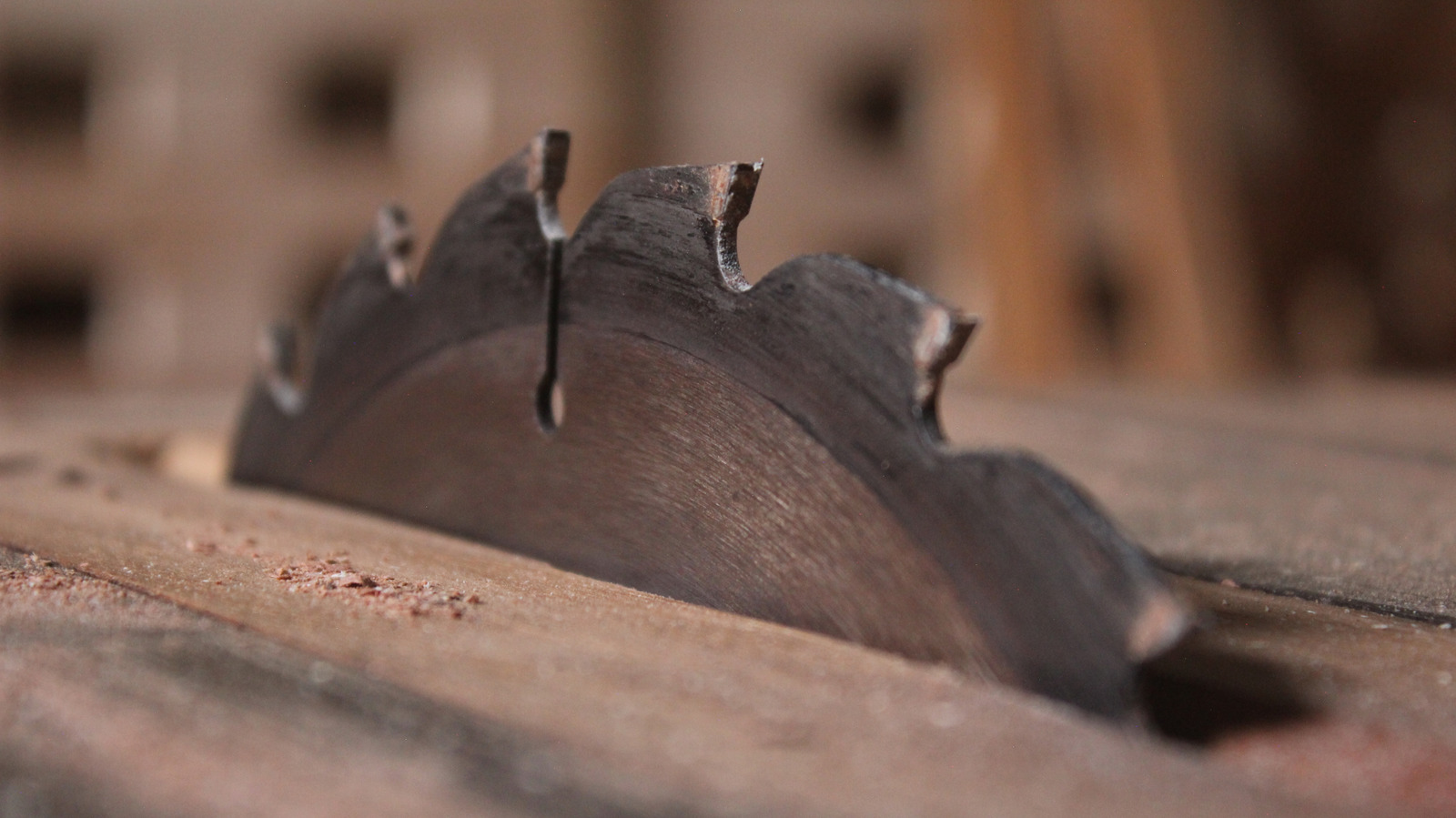
Circular saw blades work hard, and when they get caked with dust, resin, and grime, the whole tool starts to feel sluggish. A dirty blade can drag through material, create extra heat, and wear out faster than it should, while a clean one cuts smoother, cooler, and with less strain.
That matters whether the saw is used for weekend projects or constant shop work. Regular cleaning helps preserve accuracy, reduces friction, and can stretch the useful life of the blade, which is a pretty solid trade for a few minutes of upkeep.
Before anything else, safety comes first. The saw should be unplugged or disconnected from power, and the blade needs to be removed before cleaning begins.
Basic gear goes a long way here. Work gloves, safety glasses, a stiff brush, a softer brush, a mild water-based cleaner, and a few microfiber cloths cover most of the job without making it complicated.
For blades used in woodworking, the process is straightforward. Start by brushing off loose dust and debris, then look closely for chips, bends, or other damage that might mean the blade is done for.
If rust shows up, a stiff brush or steel wool can knock it back. Resin buildup is the bigger headache on wood-cutting blades, so a soak in a mild detergent solution helps loosen the sticky residue before scrubbing both sides clean and wiping everything dry.
Once the blade looks clean, a light coat of oil helps protect it from corrosion before it goes back on the saw or gets stored. That tiny step matters more than it sounds, especially if the blade is going to sit for a while before the next project.
The direction of the scrubbing matters too. Brushing away from the body keeps the blade from moving toward skin and fingers, which is exactly the kind of mistake that turns a simple maintenance task into a bad day.
Different blades need slightly different treatment, and that is where people sometimes cut corners. Metalworking blades, for example, can usually be cleaned with a stiff brush and a microfiber cloth, plus a rust-removal step if corrosion has set in.
After that, drying the blade fully is a must. A thin coat of oil helps block future rust, which is especially useful for blades that may spend time in a garage, truck, or damp workshop.
Carbide-tipped blades take a bit more care because of how they are built. A stronger blade cleaner is often the better choice, since these blades can hold onto grime in ways that simple soap and water will not fully fix.
For carbide-tipped blades, the cleaner should be sprayed on evenly and left to work for a few minutes. After that, a stiff brush or steel wool can handle the dirt, resin, and rust, followed by a careful wipe-down and a second pass on the other side.
Once the blade is dry and protected, it is ready to go back into rotation. A clean blade does not just look better, it feels better in the cut, throws less heat, and keeps the saw acting like the tool it was meant to be.
That is why this kind of maintenance pays off so quickly. Two or three cleanings a year may be enough for light use, while heavier cutting calls for more attention, especially when sawdust, pitch, and metal shavings start building up faster than expected.
