
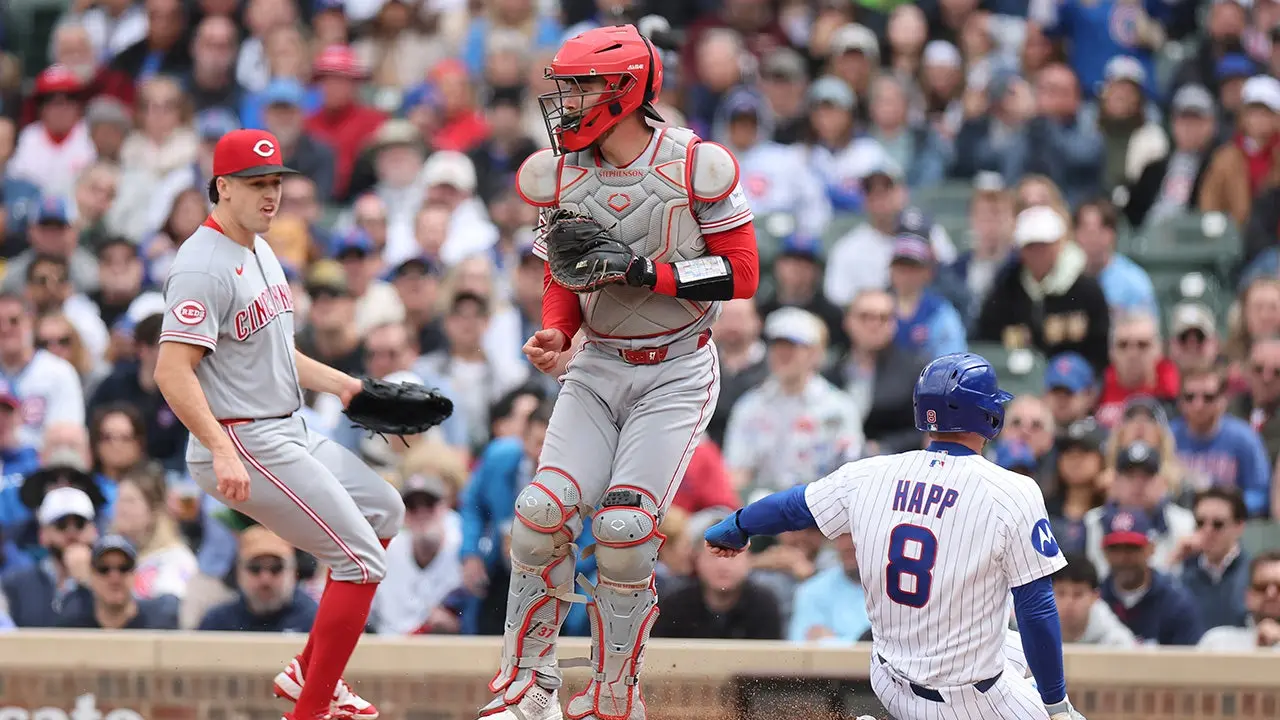
Tyler Stephenson’s lapse at the plate during the Chicago Cubs game — forgetting to tag a runner at home — turned into a headline-grabbing error that fed into Cincinnati’s longer slump. That moment crystallized a season’s worth of small mistakes piling up, and it raised questions about focus, fundamentals, and how a team climbs out of a seven-game losing skid.
The play itself looked routine until it didn’t. A throw came home, the tag was missed, and what should have been a routine out instead stood as a costly blunder that changed the scoreboard and the clubhouse mood. It was one of those plays that replay and slow motion love to dissect, but in real time it simply felt avoidable.
Baseball is brutal like that: tiny mistakes show up as big consequences. For a team already wobbling, every miscue magnifies the pressure on pitchers and hitters alike. When a reliever knows a single defensive slip could erase a lead, he pitches differently, and that ripple effect is why teams obsess over routines and fundamentals during every practice.
Stephenson isn’t a stranger to big moments; he’s had productive stretches behind the plate and has been credited for his handling of pitchers. Still, even experienced catchers can have nights where focus frays. Fatigue, game volume, and the mental load of calling pitches add up, and when the simplest actions fail, the outcome looks even worse in the box score.
Managers hate errors that result from forgetfulness more than pure bad luck. There’s a difference between a throw that beats a runner by a step and a missed tag that could have been made with proper attention. That distinction matters in postgame meetings and in how coaches adjust practice plans — expect more time on situational drills that recreate game pressure.
From a standings perspective, one error won’t define a season, but in the middle of a seven-game losing streak it sure feels decisive. Losing streaks often foster second-guessing about lineup construction, bullpen usage, and even who starts certain games. The Reds have to handle the dominoes: address the mistakes while keeping the clubhouse calm and focused on doing the small things right every inning.
Teammates and front-office staff typically handle these moments with a mix of blunt feedback and quiet correction. Public finger-pointing rarely fixes on-field habits; practical reps and targeted coaching do. Expect Stephenson to take extra reps, and expect coaches to re-emphasize tag drills, blocking, and getting the ball out cleanly under pressure in the next practice sessions.
Fans will remind you that baseball gives plenty of chances to respond. The nature of the season means a bad stretch can flip quickly if approaches sharpen and routines return. Still, corrections have to be concrete: better situational awareness, clearer communication on plays at the plate, and a reminder that fundamentals win games when talent levels are close.
Attention now shifts to how the team responds in the immediate games ahead. The Reds can treat this as a teachable moment, or it can become another headline in a season that needs steadier footing. Either way, the next few series will show whether this was an anomaly or a symptom of deeper issues that require lineup tweaks and renewed emphasis on doing the basics right every inning.
