
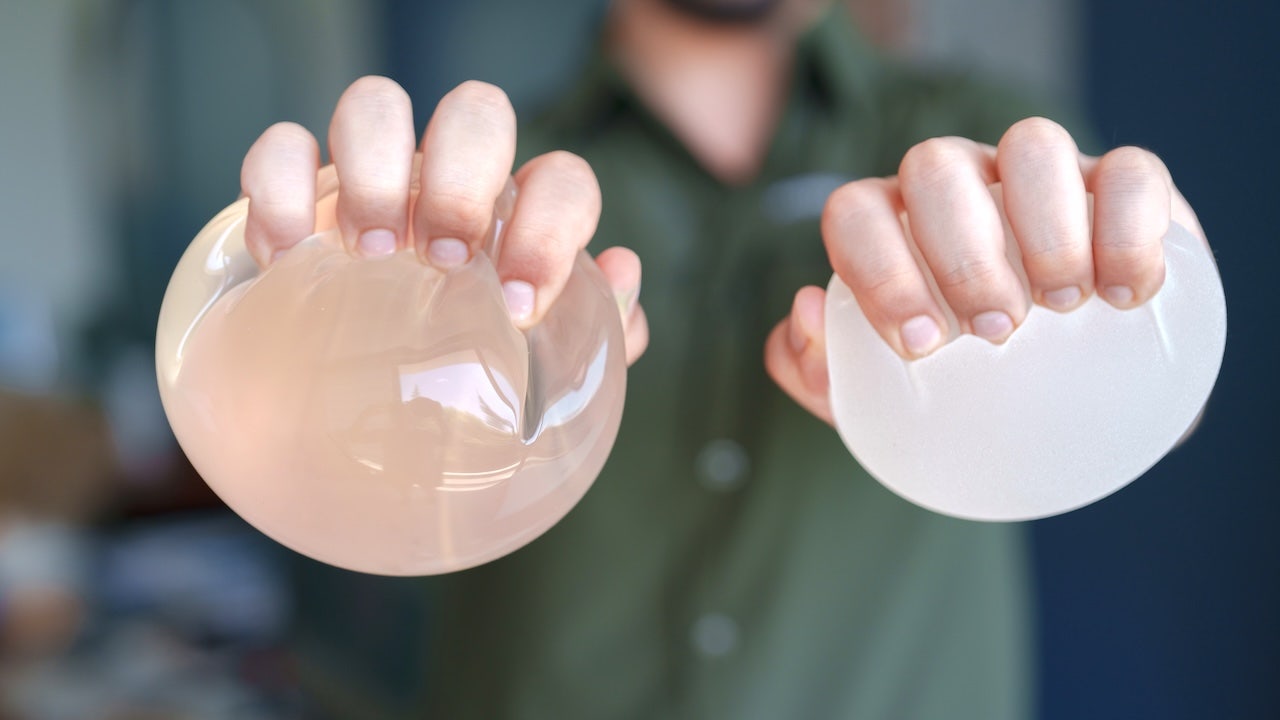
Christina Applegate’s health comments have put breast implant illness back in the spotlight, especially because the symptoms can look a lot like multiple sclerosis and other autoimmune problems. The bigger issue is that doctors still do not have a clean, simple test for it, which leaves a lot of patients stuck in limbo while they search for answers.
After being told she had MS, Applegate said she has wondered whether her implants could be part of the picture. She described ongoing pain, trouble lifting her right arm, and days when even getting out of bed feels like a fight, while also saying she plans to bring the concern to her doctors.
That kind of overlap is exactly what makes this condition so messy. Joint pain, fatigue, muscle weakness, brain fog, memory lapses, anxiety, and insomnia can all show up in breast implant illness, but they can also point to lupus, rheumatoid arthritis, Lyme disease, viral infections, or MS itself.
Experts who follow the issue say the symptoms are real even if the cause is still debated. Diana Zuckerman, a breast implant safety advocate, says the pattern can hit hard and fast, with some women describing it like suddenly aging decades overnight.
What stands out is how many symptoms can pile up at once. Instead of one nagging issue, some patients report a whole cluster, which makes it easy for the problem to be dismissed, mislabeled, or split into separate diagnoses that never quite fit together.
Jonathan Kaplan, a plastic surgeon, says the process has to start with a broad medical work-up. That means checking for treatable causes first, because implant removal is not a magic fix for every person and no one wants surgery unless there is a real reason to believe it could help.
Still, some patients do improve after explant surgery, and that is one reason the topic keeps drawing attention. Kaplan says the only way to confirm the implant connection in a given case is to remove the implants and see whether the patient gets better, which is a blunt and imperfect way to answer a complicated question.
Patricia McGuire, another plastic surgeon, says breast implant illness is usually treated as a diagnosis of exclusion. That means there is no single lab test, no official checklist of proof, and no universally accepted diagnostic standard, even though patients continue reporting the same kinds of symptoms.
Researchers have also tried to pin down a physical trigger, but the results have been frustratingly mixed. McGuire says studies have looked for heavy metals, bacteria, inflammatory markers, and other clues, yet the findings have not produced a clear biological signature that explains why some women feel sick and others do not.
One prospective study she co-led found no major biological differences between symptomatic women and control groups. The same study still found that some patients felt better after implant removal, which keeps the debate alive and makes the whole issue feel even more tangled.
The FDA has taken a more direct approach in recent years. In 2021, it required a boxed warning and a patient decision checklist for breast implants, with language that specifically mentions symptoms like fatigue, memory loss, rash, brain fog, and joint pain.
That warning matters because implants are not treated as lifetime devices. The FDA also recommends periodic MRI or ultrasound screening to look for silent ruptures, while making clear that intact implants do not come with some automatic 10-year expiration date.
For patients already dealing with mystery symptoms, the next step is usually a full work-up before anyone starts talking surgery. Doctors want to rule out other explanations first, especially because some of the conditions that mimic breast implant illness can be serious, treatable, or both.
Even with all the uncertainty, the conversation around breast implant illness has clearly shifted. More patients are talking about it, more doctors are acknowledging the complaints, and more attention is being paid to the gap between what women feel and what testing can actually prove.
