
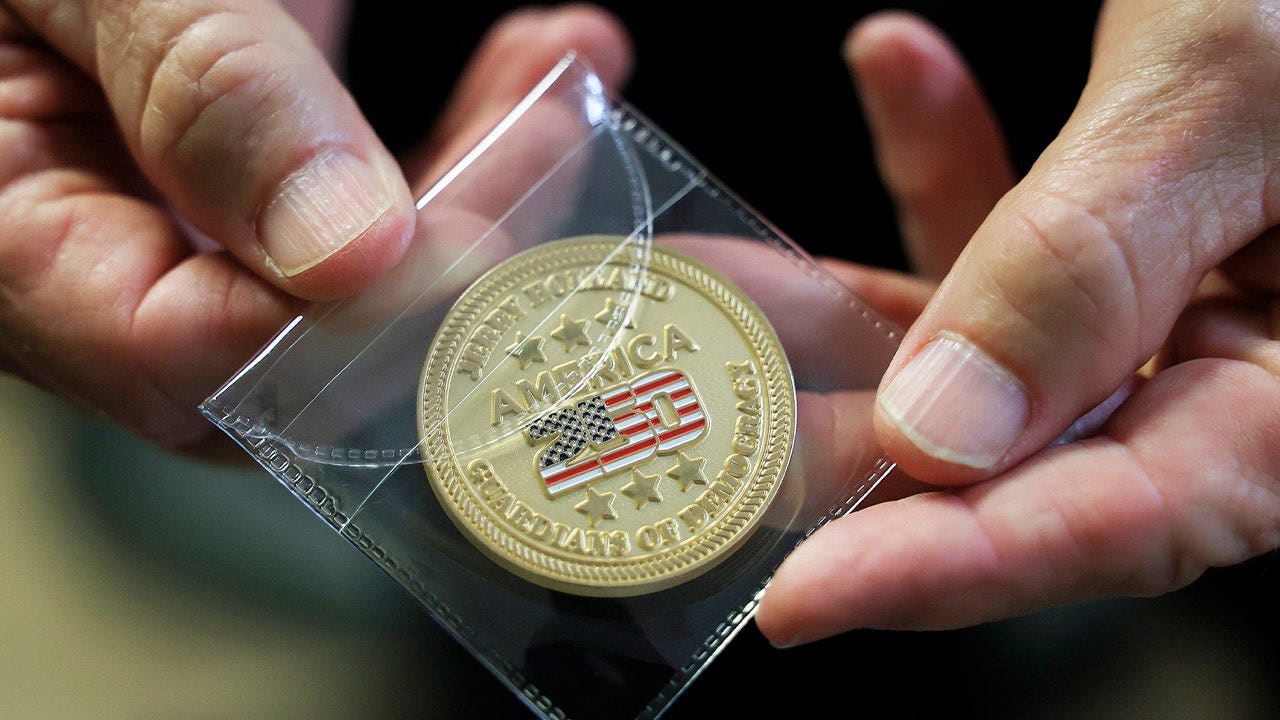
Jennifer Lagner ended up taking Atlantic Beach City Commission Seat 4 the old-fashioned way, except the old-fashioned way was a coin toss. After a dead-even race and two recounts, the result came down to a tiny flip of fate in Duval County, where every vote had already been squeezed dry and the tie still would not budge.
Lagner and Lisa Herrold both finished with 3,162 votes after officials ran through manual and machine recounts. Once the numbers stayed locked, election rules kicked in and turned the decision over to a best two-out-of-three coin flip, a bizarre but legal tiebreaker that can feel more like a schoolyard dare than a city election.
Herrold went first and called heads, but the coin landed tails, putting Lagner in the lead right away. Lagner then called heads and caught the winning side, sealing the seat and ending one of those races that makes people stare at the scoreboard and ask how it could possibly be this close.
Lagner called the moment a sign of how strong the country is, pointing to a process where even an election with no clear numerical winner still gets resolved. She also said she was honored to serve and called the coin toss an unexpected and unforgettable finish to the campaign.
Herrold took the loss with grace, saying both candidates had been part of the community for years and that the result felt almost destined. That kind of reaction matters, because close races can get ugly fast, yet this one stayed grounded in mutual respect even as the final call came down to chance.
Duval County Supervisor of Elections Jerry Holland said the moment was proof that every vote carries real weight. That is the part that sticks, since a race tied at 3,162 votes each does not just show drama, it shows how razor-thin local elections can be when turnout, timing, and a handful of ballots all collide.
This was not the county’s first strange tie-breaker either. In a previous Neptune Beach City Council race, candidates Rory Diamond and Richard Arthur settled things with numbered ping pong balls, and Arthur came out ahead after picking the higher number.
The larger point is hard to miss when an election moves from recount tables to coin flips and ping pong balls. The system may look odd at that edge, but it also shows a plain truth that keeps coming back in close races: if enough people think their vote does not matter, the final margin can get decided by something far stranger than policy or persuasion.
That makes the Atlantic Beach race feel bigger than one city commission seat. It taps into the kind of political moment that reminds candidates, voters and election workers alike that the last ballot can matter just as much as the first, and sometimes the finish line gets crossed with a coin spinning in the air.
